Air Quality Testing in Metairie, LA
.webp)
Cypress Cooling provides comprehensive air quality testing in Metairie, LA, offering a detailed evaluation of your indoor air and explaining common issues related to moisture, mold, particulates, VOCs, and ventilation. Our service includes an onsite walkthrough, targeted sampling, and real time monitoring. We interpret results against WHO, EPA, and ASHRAE guidelines, providing clear insights into your air quality. Cypress Cooling also offers remediation options, expected timelines and costs, and practical maintenance tips to improve ventilation, filtration, and moisture control, helping homeowners prioritize actions and document improvements for health and insurance purposes.
Air Quality Testing in Metairie, LA
Indoor air quality testing in Metairie, LA helps homeowners understand what they and their families are breathing and what to do about it. With the Gulf Coast climate, high humidity, seasonal storms, and older building stock, Metairie homes are prone to moisture-driven problems, elevated particulate levels during regional haze or wildfire smoke events, and spikes in volatile organic compounds after renovations. This page explains what a thorough assessment includes, how sampling is done, how results are interpreted, common local contamination sources, practical remediation options, and realistic timelines and costs so you can make an informed decision.
Common air quality issues in Metairie homes
Homes in Metairie commonly face the following indoor air problems:
- Elevated humidity and persistent moisture leading to mold growth in attics, crawl spaces, or behind walls.
- Mold spore contamination after storm damage or slow leaks.
- Fine particulate matter (PM2.5 and PM10) from cooking, tobacco smoke, candles, outdoor pollen, and occasional wildfire smoke or regional haze.
- Elevated VOCs from new paint, varnishes, building materials, and household products.
- Poor ventilation and high CO2 in tightly sealed rooms, especially in newer retrofits or during hot months when windows stay closed.
- Dust, pet dander, and allergen buildup in older HVAC systems or ductwork.
What a professional onsite assessment covers
A comprehensive onsite evaluation combines a walk-through inspection with targeted sampling and real-time monitoring:
- Visual inspection of the building envelope, attic, crawl space, basements, bathrooms, kitchens, and HVAC equipment to identify leaks, condensation, visible mold, and insulation issues.
- Moisture mapping using moisture meters and infrared thermal imaging where needed to locate hidden dampness.
- Placement of sampling devices in representative locations such as bedrooms, living areas, and problem rooms. Crawlspaces and attics are also sampled when visible risk factors exist.
- Real-time measurement of humidity and CO2 with data loggers to establish baseline ventilation performance over short periods.
- Collection of air samples for particulates (PM2.5/PM10) using direct-reading monitors and filter-based samplers for gravimetric or laboratory analysis.
- VOC screening with photoionization detectors for immediate indications, and sorbent tubes or canisters for laboratory VOC speciation when required.
- Mold spore sampling using spore trap air samples and surface swabs or tape lifts where visible contamination is suspected.
Sampling methods explained simply
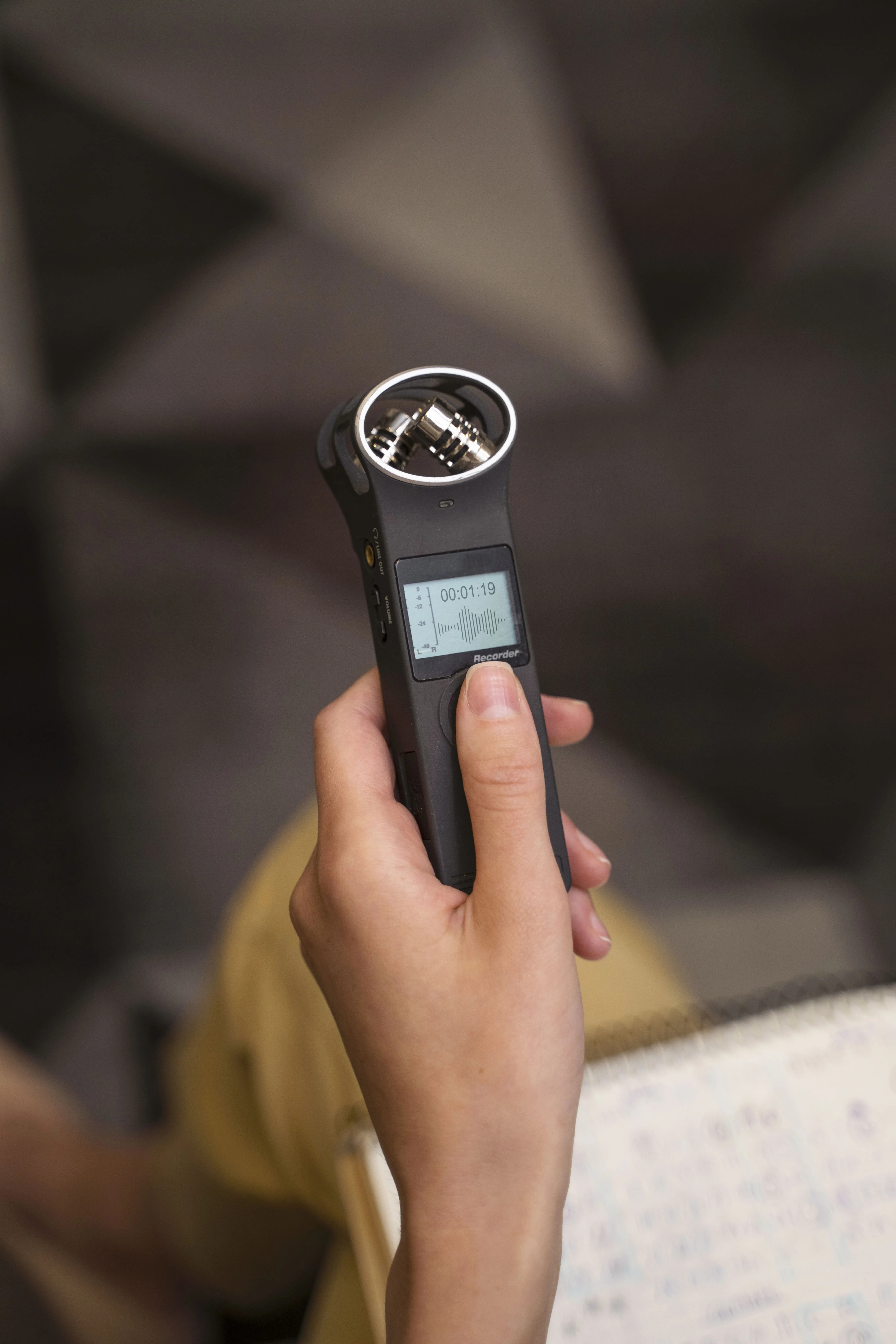
- PM2.5/PM10: Portable monitors show immediate concentrations; filter-based samplers collect particles over a set time for lab weight or microscopy analysis.
- VOCs: Handheld meters give a quick screening level; follow-up with sorbent tubes or canisters sent to a lab identifies specific chemicals and concentrations.
- Mold: Spore trap air sampling measures airborne spore counts and types. Surface sampling (swabs, tape lifts) confirms growth on materials.
- Humidity and CO2: Data loggers measure relative humidity and CO2 continuously for hours or days to reveal patterns tied to occupancy or weather.
- Sampling duration and number of samples are tailored to home size and suspected issues; a basic diagnostic visit typically takes one to two hours on site.
How results are analyzed and reported
Reports translate raw numbers into actionable information:
- Concentrations are compared to commonly referenced benchmarks such as WHO and EPA guidelines for PM2.5, ASHRAE guidance for ventilation and CO2, and industry-recommended humidity ranges.
- Mold spore results include counts per cubic meter and a breakdown of spore types to help determine whether indoor levels indicate indoor growth versus outdoor influence.
- VOC lab reports list individual compounds and concentrations with notes on likely sources and health considerations.
- Reports prioritize findings, explain health implications in plain language, and provide a clear list of recommended next steps, separated into urgent issues versus long-term improvements.
- Photographs, instrument logs, and sample chain-of-custody details are included so homeowners can see exactly what was tested and why.
Recommended remediation and upgrades
Remediation focuses on source control first, then engineering controls:
- Source control: Repair leaks, remove wet materials, stop indoor smoking, and replace or seal off off-gassing materials where feasible.
- Filtration upgrades: High-efficiency filters (MERV 13 or higher where compatible) and portable HEPA air cleaners reduce particulate loads. HEPA is effective for PM2.5 and many allergens.
- UV germicidal irradiation (UVGI): Mounted in HVAC systems, UV reduces biological growth on coils and can help lower mold and microbial levels when properly installed.
- Dehumidification: Whole-house dehumidifiers or targeted units maintain relative humidity in the 40 to 50 percent range to inhibit mold growth in Metairie’s humid climate.
- Ventilation improvements: Balanced mechanical ventilation or ERVs/HRVs where humidity control allows, improved exhaust in kitchens and baths, and duct sealing to prevent contaminated air recirculation.
- HVAC service: Coil and drain cleaning, duct inspection, and air handler upgrades to improve airflow and reduce particulate reservoirs.
- After remediation, follow-up testing verifies effectiveness and documents clearance.
Follow-up testing, turnaround times, and typical costs
- Turnaround times: Onsite diagnostic visits are usually completed in a single appointment (1 to 3 hours). Real-time results for CO2 and humidity are immediate. Laboratory analysis for particulate gravimetric, VOC speciation, or mold spore slides typically returns in 2 to 7 business days; expedited lab services can be available in 24 to 48 hours for an additional fee.
- Follow-up testing: For mold or moisture remediation, follow-up sampling is commonly performed 48 to 72 hours after drying and remediation, once conditions are stable. For HVAC or filtration upgrades, retesting after system operation for a week gives a reliable post-upgrade snapshot.
- Typical cost ranges (illustrative): Basic IAQ screening that includes PM2.5, humidity, and CO2 monitoring often starts in the low hundreds. Comprehensive assessments that include multiple lab-analyzed VOC samples, mold spore sampling in several rooms, and detailed reporting commonly fall in the mid to upper hundreds or low thousands depending on home size and number of samples. Individual lab sample costs vary by type and number of samples.
Why timely testing matters and practical maintenance tips
In Metairie’s climate, small moisture problems can escalate quickly after heavy rain or HVAC failures. Early testing identifies hidden issues before they become costly repairs or chronic health triggers. Practical steps homeowners can take immediately:
- Maintain indoor relative humidity around 40 to 50 percent.
- Use vented range hoods and bathroom exhaust fans during and after use.
- Change HVAC filters regularly and consider upgrading to higher efficiency filters compatible with your system.
- Address visible water stains, leaks, and condensation promptly.
- Use portable HEPA cleaners in high-use or problem rooms.
Accurate air quality testing provides the evidence needed to prioritize repairs and upgrades, justify improvements to ventilation and filtration, and document conditions for insurance or remediation validation. In Metairie, where humidity and storm-related moisture are common drivers of indoor air problems, professional testing gives homeowners the clarity to act with confidence.
OUR CLIENTS HAVE TO SAY ABOUT US



Service areas
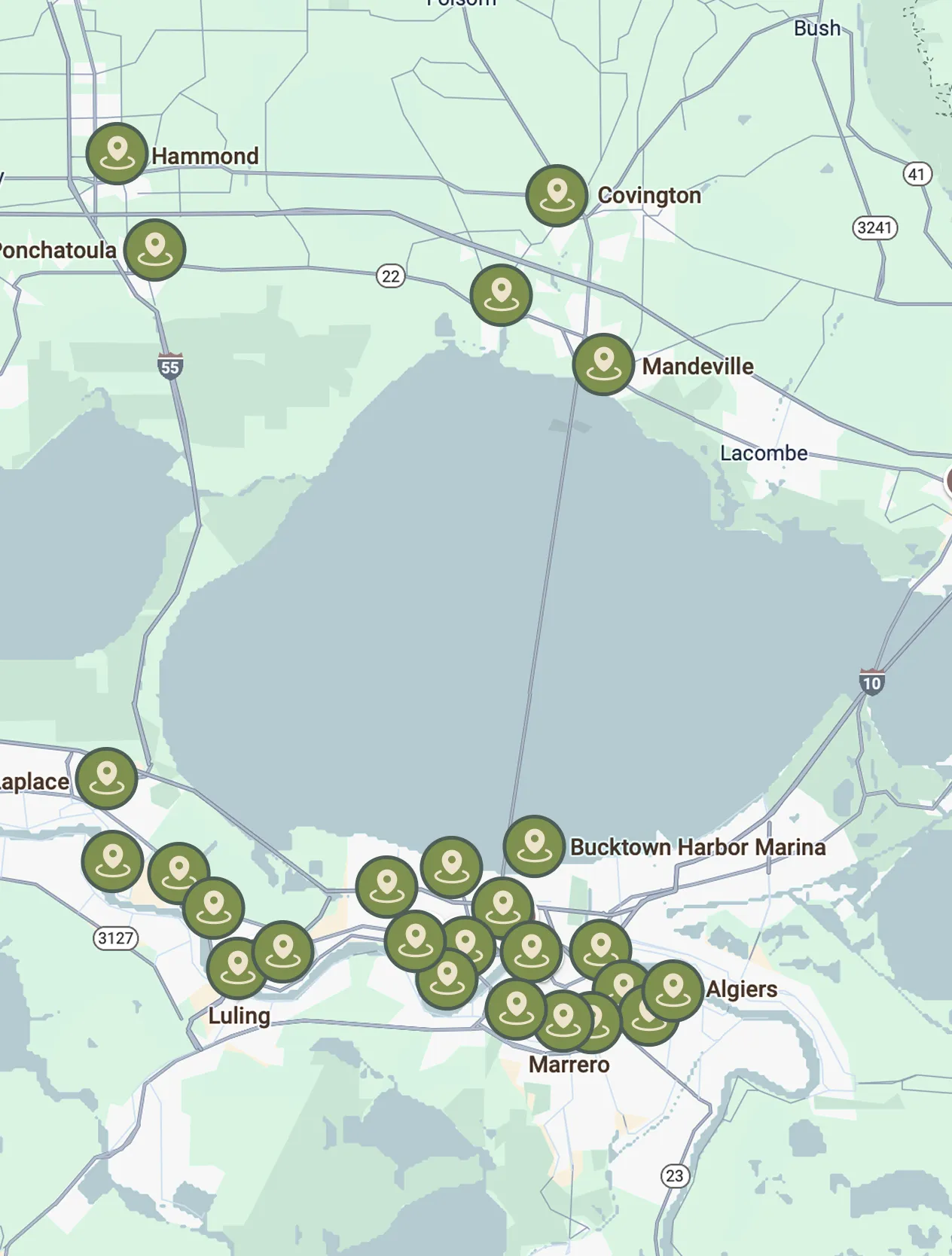
Our service areas are designed to meet the diverse needs of our clients. We focus on providing exceptional service and ensuring customer satisfaction in every location we operate.