Air Quality Testing in Laplace, LA
.webp)
Cypress Cooling provides air quality testing in Laplace, LA, offering a comprehensive evaluation of indoor pollutants to guide effective improvements. Our program measures PM2.5, mold spores, VOCs, CO2, humidity, and allergens. We then interpret the results to identify the sources of these pollutants and their potential health implications. The process includes onsite monitoring, air and surface sampling, and targeted allergen testing. Following the assessment, we provide clear remediation recommendations, such as source control, filtration, ventilation, and dehumidification. You'll receive a detailed report with prioritized actions and a plan to verify improvements after remediation.
-min.webp)
Air Quality Testing in Laplace, LA
Indoor air quality directly affects comfort, sleep, and long-term health. In Laplace homes, high humidity, occasional flooding, nearby road and industrial emissions, and seasonal allergens make on-site air quality testing a practical step before remediation or home improvements. This page explains what a targeted indoor air quality assessment involves, how results are interpreted, and which remediation options deliver meaningful improvements for residents of Laplace, LA.
Why get air quality testing in Laplace, LA
- High humidity and frequent summer storms increase the risk of mold growth and elevated indoor relative humidity.
- Flooding or past water intrusion common to low-lying areas can leave behind hidden mold and VOCs from building materials.
- Proximity to highways and industrial corridors can contribute to elevated particulate matter and localized PM2.5 during certain conditions.
- Seasonal pollen and indoor allergens worsen symptoms for asthma and allergy sufferers.
Testing gives you objective data so you can prioritize fixes, avoid unnecessary work, and choose the right equipment for lasting improvement.
Common indoor air quality issues in Laplace homes
- Elevated PM2.5 and fine particulate matter from outdoor sources or indoor combustion
- Visible or hidden mold and elevated mold spore counts after leaks or floods
- VOCs from paints, new flooring, cleaning products, gasoline or recent renovations
- Poor ventilation indicated by high CO2 levels, causing stale air and headaches
- High indoor humidity and damp conditions that foster dust mites and mold
- Allergens such as pet dander, dust mite proteins, and seasonal pollen tracked indoors
What we test for and why it matters
- Particulate matter (PM2.5): Fine particles penetrate deep into lungs and aggravate asthma and cardiovascular conditions. PM2.5 monitoring identifies infiltration and indoor sources like cooking or candles.
- Mold spore sampling: Airborne spore counts and targeted surface sampling reveal active mold sources and help determine whether remediation is needed.
- Volatile organic compounds (VOCs): VOCs can cause irritation, headaches, and long-term concerns. Testing identifies elevated levels and specific compound classes when lab analysis is performed.
- Carbon dioxide (CO2): Elevated CO2 is a proxy for inadequate ventilation and correlates with cognitive symptoms and poor indoor air exchange.
- Relative humidity: High humidity supports mold and dust mites; low humidity can irritate mucous membranes. Measurement helps set dehumidification targets.
- Allergen screening: Targeted testing for dust mite, pet, and other common indoor allergens helps create effective control plans.
The testing process and equipment used
- Pre-assessment: A brief questionnaire and walkthrough to note recent water events, renovations, occupant symptoms, and HVAC configuration.
- On-site monitoring: Real-time instruments record PM2.5, CO2, temperature, and humidity using calibrated particle counters and data loggers to capture fluctuations over typical activity periods.
- Air and surface sampling: Spore trap samplers and vacuum or tape samples from suspect surfaces collect mold evidence. Sorbent tubes or canisters gather VOCs for lab analysis when needed.
- Allergen and targeted tests: Dust samples for allergen proteins or targeted assays are collected in homes with known sensitivities.
- Documentation: Field notes document sampling locations, HVAC status, and any visible issues such as stains or active leaks.
Equipment used includes industry-grade particle counters, calibrated CO2 and humidity monitors, spore trap samplers for mold, sorbent tubes or passive samplers for VOCs, and dust collection tools for allergen screening. Field methods follow recognized industry protocols so results are reliable and reproducible.
Interpreting results and health implications
- PM2.5: Results are reported as micrograms per cubic meter. Relative guidance compares indoor measures to outdoor baselines and health-based benchmarks. Elevated PM2.5 increases asthma exacerbations and cardiovascular risk for sensitive individuals.
- Mold spore counts: Reports compare indoor concentrations and spore types to outdoor background and indicate whether an indoor source is present. Elevated indoor counts or unique indoor-dominant taxa point to active growth needing remediation.
- VOCs: Lab reports include compound identifications and concentrations. Presence of certain VOCs at elevated levels can explain headaches, dizziness, or persistent odors.
- CO2 and ventilation: CO2 levels above commonly accepted indoor thresholds suggest ventilation upgrades to reduce occupant discomfort and airborne contaminant buildup.
- Humidity: Readings above 50 percent relative humidity indicate increased mold and dust mite risk. Optimal indoor humidity is generally 30 to 50 percent.
Reports include plain-language summaries of health implications and prioritized recommendations based on the magnitude and type of contamination.
Recommended remediation options based on findings
Remediation is tailored to the root cause identified by testing. Common recommendations include:
- Source control: Fix leaks, replace water-damaged materials, and remove mold-contaminated materials where spore counts show an indoor source.
- Filtration and purification: Use HEPA filtration to reduce PM2.5 and airborne allergens. Activated carbon filters or dedicated adsorption units target odors and many VOCs.
- Ventilation improvements: Increase outdoor air exchange with mechanical ventilation, energy recovery ventilators, or improved exhaust in kitchens and bathrooms if CO2 or stale air is a problem.
- Dehumidification: Whole-house or targeted dehumidifiers lower relative humidity to reduce mold and dust mite proliferation, particularly important in Laplace summers.
- HVAC adjustments: Upgrade filtration to higher MERV ratings compatible with the system, clean ducts if contaminated, and ensure proper drainage and insulation around HVAC components.
- Targeted allergen control: Deep cleaning of soft surfaces, dust-mite-proof encasements, and changes in housekeeping practices reduce allergen loads.
Remediation plans are prioritized to address health risks first and to match interventions to test results so you avoid unnecessary work.
Turnaround times and verification
- Immediate results: CO2, humidity, and PM2.5 real-time monitoring provide immediate insights during the visit.
- Lab-processed samples: Mold spore trap and VOC lab analyses typically return final results within a few business days, depending on lab workload and testing scope.
- Verification testing: After remediation or equipment installation, follow-up testing is recommended to confirm that concentrations are reduced to acceptable levels. Timing for verification depends on the remediation type and drying time, but retesting is commonly scheduled after work completion and once conditions have stabilized.
Practical next steps to improve home air quality in Laplace
- Address any past or present water intrusion and confirm structural dryness after storms or flooding.
- Use dehumidifiers and maintain indoor humidity between 30 and 50 percent year-round.
- Upgrade filtration in HVAC systems to higher-efficiency filters compatible with your unit.
- Run localized HEPA air cleaners in high-use rooms or bedrooms for immediate particulate reduction.
- Minimize VOC sources by choosing low-VOC products, ventilating during and after painting or renovation, and storing chemicals outdoors or in sealed containers.
- Improve ventilation when outdoor air quality is good; keep windows closed during high outdoor pollutant events.
Objective testing informs which of these steps will be most effective for your home rather than guessing. In Laplace, focusing on moisture control, targeted filtration, and ventilation improvements typically yields the largest air quality gains.
Clear, evidence-based testing and reporting provide a roadmap for healthier indoor air. Testing pinpoints problems, defines priorities, and ensures remediation delivers measurable results so occupants can breathe easier.
OUR CLIENTS HAVE TO SAY ABOUT US



Service areas
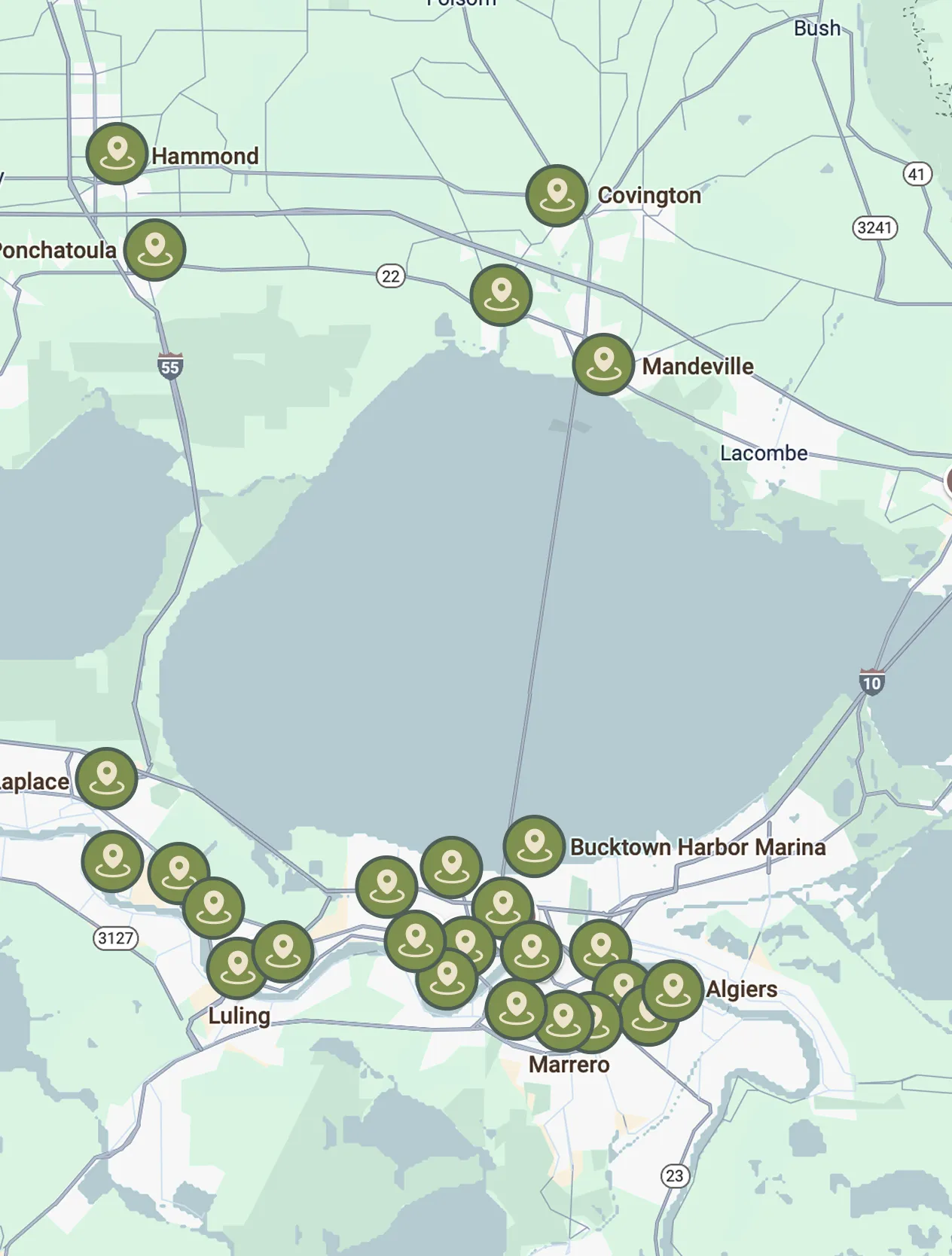
Our service areas are designed to meet the diverse needs of our clients. We focus on providing exceptional service and ensuring customer satisfaction in every location we operate.