Air Quality Testing in Kenner, LA
.webp)
For residents of Kenner, LA, Cypress Cooling offers a detailed indoor air quality assessment to pinpoint the presence of particulates, VOCs, mold spores, humidity imbalances, and other related contaminants. Our service combines thorough visual inspections, realtime particle counts, VOC screening, mold sampling, and climate mapping. This allows us to develop a prioritized remediation plan tailored to your specific needs. We translate our findings into easy to understand language, providing actionable steps such as source control, filtration upgrades, ventilation improvements, and humidity management. Our goal is to protect your family's health, minimize microbial growth, and safeguard your home's value in our humid subtropical climate.
Air Quality Testing in Kenner, LA
Indoor air quality directly affects comfort, health, and the value of your home in Kenner, LA. High humidity, frequent storms, and a Gulf Coast pollen profile make Kenner homes particularly prone to mold growth, elevated particulate levels, and volatile organic compounds from renovations or household products. A comprehensive indoor air quality assessment identifies particulates, VOCs, mold spores, humidity problems, and other contaminants, then delivers clear, prioritized recommendations for remediation, filtration, and long-term control.
Why test indoor air in Kenner, LA
- High relative humidity and warm temperatures create ideal conditions for mold and dust mite proliferation.
- Hurricane season and occasional flooding increase the risk of hidden moisture intrusion and long-term microbial issues.
- Proximity to roads and regional industrial sources can raise indoor particulate levels in some neighborhoods.
- Renovations, new furniture, and household cleaners common in active homes release VOCs that can degrade indoor air quality.
Testing provides an evidence-based snapshot of your home’s air so you can choose targeted, effective treatments rather than guessing at fixes.
What a comprehensive assessment includes
A full indoor air quality inspection in Kenner typically covers:
- Visual and moisture assessment of living spaces, attics, crawlspaces, and HVAC systems to locate water intrusion or mold growth.
- Real-time particulate measurements using optical particle counters (PM2.5 and PM10).
- VOC screening with a photoionization detector (PID) and, when indicated, grab sampling or canister sampling for laboratory speciation.
- Mold air sampling (spore traps) and surface sampling (swabs or tape lifts) to determine concentrations and common genera.
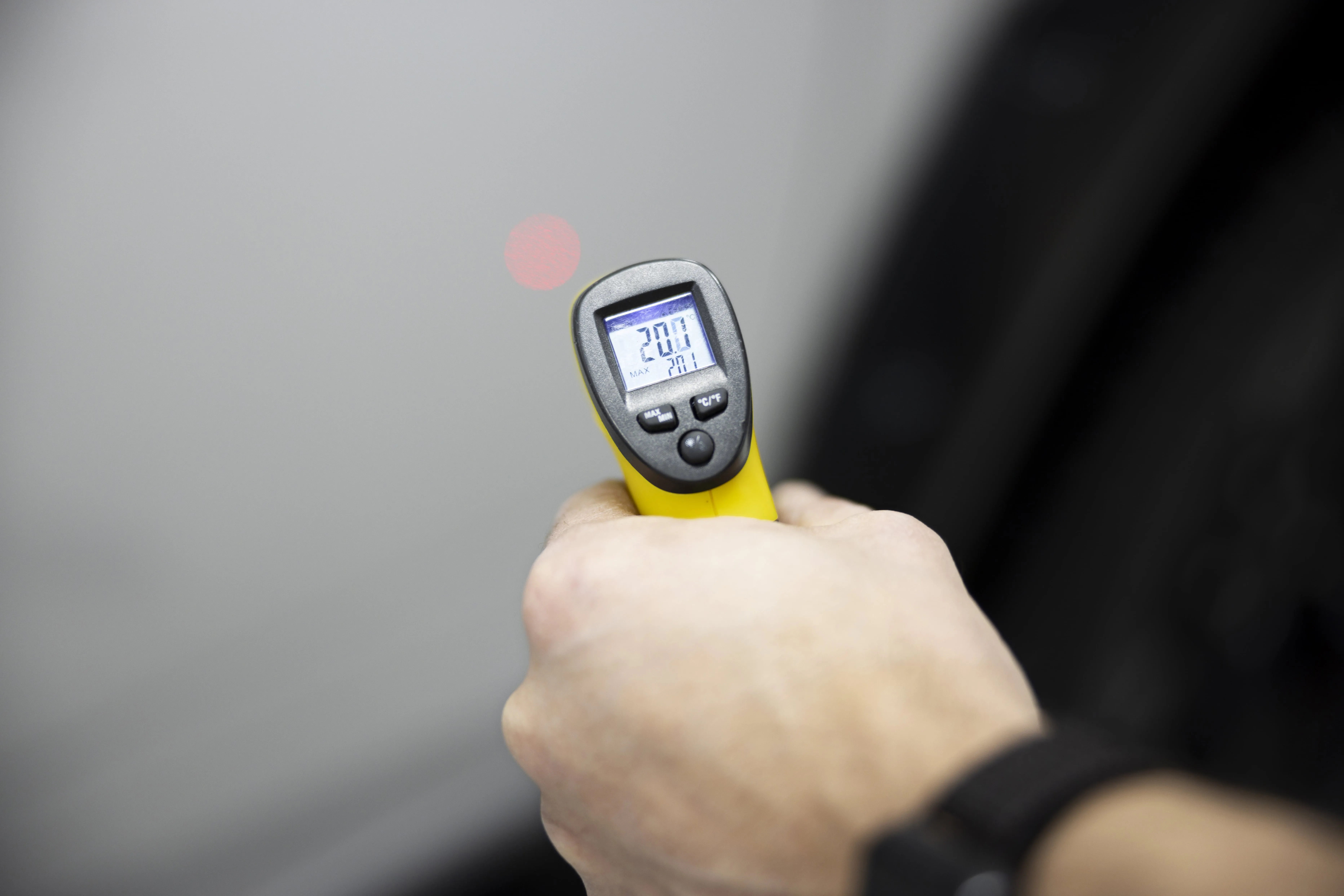
- Temperature and relative humidity mapping to identify areas consistently above recommended thresholds.
- CO2 and combustion gas checks near appliances and garages, and optional radon screening when requested.
- Photographic documentation and instrument logs for each sampled location.
Equipment typically used includes calibrated particle counters, PID VOC meters, certified spore trap pumps, humidity/temperature dataloggers, infrared cameras for moisture detection, and chain-of-custody kits for lab samples.
How samples are collected and analyzed
- Pre-inspection walkthrough: Identifies suspect areas and selects sampling locations that represent bedrooms, living areas, HVAC returns, and problematic spaces (crawlspaces, attics).
- Baseline outdoor sample: Outdoor spore and VOC baselines help distinguish indoor amplification from outdoor sources.
- On-site instrument readings: Particle counts, VOC levels, and humidity/temperature are recorded in real time and can be shared the same day.
- Laboratory analysis: Spore trap slides, VOC canisters, and surface samples are sent to accredited labs. Typical turnaround is 2-5 business days depending on the test.
- Report compilation: Findings, lab results, photos, and a prioritized remediation plan are compiled into a clear report.
Interpreting results — what the numbers mean
- Particulates (PM2.5/PM10): Readings are compared to EPA indoor guidance and outdoor baselines. Persistent elevated PM2.5 indoors suggests filtration or source-control issues.
- VOCs: PID readings give an immediate sense of total VOC burden; lab speciation identifies compounds like formaldehyde or benzene. Levels are categorized (low, moderate, high) with tailored actions.
- Mold spores: Counts are evaluated relative to outdoor background and by genus. Indoor dominance of certain genera (Cladosporium, Aspergillus, Penicillium) and higher indoor vs outdoor counts point to active growth.
- Relative humidity: Sustained readings above 50 percent increase mold and dust mite risk. Recommended target is typically 30-50 percent year-round in Kenner.
- Combustion gases: Any detectable carbon monoxide or elevated nitrogen dioxide near appliances requires immediate attention to ventilation and appliance service.
Reports translate technical results into plain language, explain health or structural implications, and give a prioritized list of next steps.
Recommended remediation and treatment plans
Remediation options are selected based on findings and typically include a combination of these approaches:
- Source control: Identifying and repairing water intrusion, removing contaminated materials, and changing cleaning or storage practices that release VOCs.
- Filtration upgrades: Installing or upgrading to HEPA filtration for portable units or whole-home systems, and choosing appropriate MERV-rated filters for HVAC systems to balance airflow and capture efficiency.
- Ventilation improvements: Introducing mechanical ventilation or exhaust strategies, and considering ERV/HRV systems where balanced fresh air is needed without excessive humidity ingress.
- Humidity control: Installing ducted or portable dehumidification in basements, crawlspaces, or rooms with chronic moisture problems. Targeting humidity to 30-50 percent reduces mold and dust mites.
- HVAC servicing: Duct cleaning if contamination is verified, coil and drain pan cleaning, and ensuring proper condensate drainage to prevent microbial growth.
- Targeted mold remediation: Containment, removal of affected materials, antimicrobial cleaning, and moisture source repairs following industry best practices.
- Post-remediation verification: Clearance testing to confirm that particulates, spores, and VOCs have returned to acceptable levels.
Recommendations are prioritized by health risk and cost-effectiveness so homeowners can address the most critical issues first.
Sample report elements and timelines
A typical deliverable for Kenner homes includes:
- Executive summary with key findings and risk level
- Instrument log and baseline outdoor comparison
- Lab results with interpretation and genus/species notes for mold samples
- Photo documentation and moisture map
- Prioritized action plan with short-term and long-term measures
- Recommended timeline for remediation and verification testing
Timelines you can expect:
- On-site inspection and sampling: 1-3 hours depending on home size and number of samples.
- Same-day: On-site instrument readings and preliminary observations.
- Lab results: 2-5 business days for spore trap and VOC speciation.
- Post-remediation clearance testing: Scheduled 1-2 weeks after remediation to allow for stabilization.
Follow-up and maintenance
Maintaining healthy indoor air in Kenner requires ongoing attention:
- Regular humidity monitoring, especially after storms or during humid months.
- Changing HVAC filters per manufacturer guidance; higher-use homes may need more frequent changes.
- Seasonal HVAC inspections to ensure condensate drains and coils are functioning to reduce microbial growth.
- Periodic air quality rechecks after significant renovations, water intrusion, or if occupants report new health symptoms.
Optional periodic monitoring plans can include dataloggers for humidity, CO2 monitors for ventilation assessment, or scheduled seasonal spot checks.
Final note on local relevance
Kenner’s climate and storm exposure mean that hidden moisture and mold are common sources of indoor air problems. Testing provides the clarity required to prioritize repairs and select cost-effective filtration and ventilation solutions that work in a humid subtropical environment. A thorough assessment removes uncertainty, protects occupant health, and helps preserve property value by addressing issues before they become costly and extensive.
OUR CLIENTS HAVE TO SAY ABOUT US



Service areas
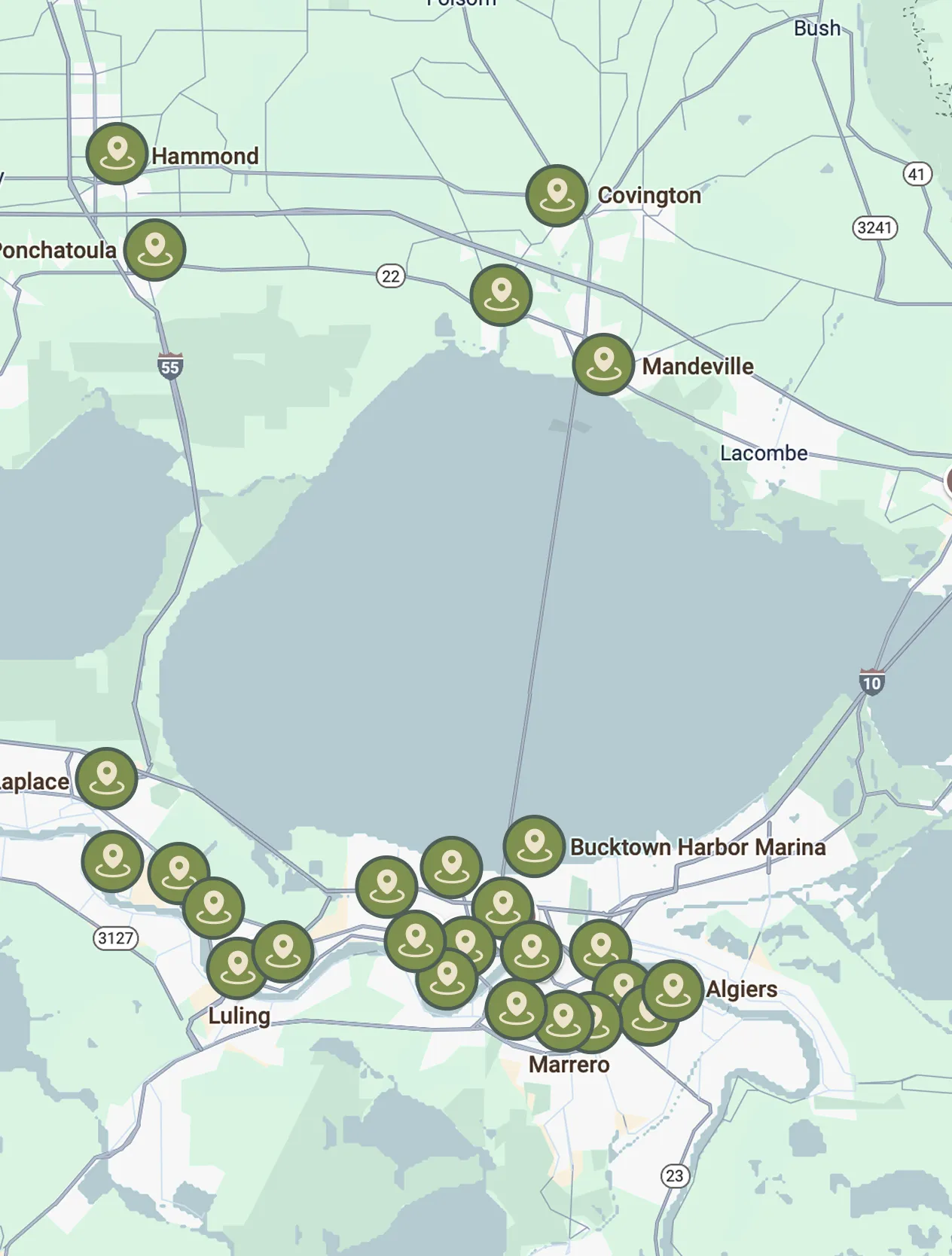
Our service areas are designed to meet the diverse needs of our clients. We focus on providing exceptional service and ensuring customer satisfaction in every location we operate.