Air Quality Testing in Jefferson, LA
.webp)
Cypress Cooling offers comprehensive air quality testing in Jefferson, LA, providing a thorough assessment of indoor pollutants, including PM2.5/PM10, VOCs, mold, CO/CO2, and humidity levels. Our process begins with a detailed on site walkthrough, followed by targeted sampling, real time measurements, and comprehensive laboratory analysis. We then provide you with a clear, actionable report outlining our findings. Cypress Cooling translates these results into prioritized remediation steps, such as improved filtration, source control measures, humidity management strategies, and ventilation upgrades. Regular testing with Cypress Cooling helps protect your health, reduce unpleasant odors and moisture risks, and verify the effectiveness of improvements made after renovations, floods, or major repairs.
Air Quality Testing in Jefferson, LA
Keeping indoor air safe and comfortable is essential for Jefferson, LA homes where high humidity, frequent storms, and older building stock increase the risk of hidden contaminants. Professional air quality testing in Jefferson, LA identifies particulate pollution, VOCs, mold, CO/CO2, and humidity problems so you can prioritize effective remediation and protect your family’s health and home value.
Why test indoor air in Jefferson, LA
Jefferson Parish sits in a humid subtropical climate with heavy seasonal humidity, frequent rain, and occasional flooding and storm-related water intrusion. Those conditions create a higher risk of:
- Mold and mildew growth after leaks or hurricanes
- Persistently high indoor humidity that encourages dust mite proliferation
- Elevated particulate matter from cooking, candles, or nearby roadways
- VOC spikes following renovations, painting, or use of household chemicals
- Carbon monoxide risk from poorly vented appliances and high HVAC use
Air quality testing in Jefferson, LA helps distinguish ongoing sources from one-off events so remediation targets the actual problem.
What we test (and why it matters)
Comprehensive indoor air quality testing typically includes:
- Particulate counts (PM2.5 and PM10) — measures airborne particles that can aggravate asthma, allergies, and cardiovascular conditions.
- VOC screening and sampling — identifies volatile organic compounds from paints, adhesives, cleaning products, and off-gassing materials.
- Mold spore sampling (air and surface) — determines whether indoor mold levels exceed outdoor baselines and pinpoints types that may require remediation.
- Carbon monoxide (CO) and carbon dioxide (CO2) monitoring — detects dangerous CO leaks and ventilation inefficiencies indicated by elevated CO2.
- Relative humidity and temperature logging — critical for assessing conditions that support mold and dust mites.
How testing is performed and tools used
Testing is a structured diagnostic process tailored to Jefferson homes:
- Initial walkthrough and history
- Inspect visible moisture, HVAC condition, recent renovations, and occupant concerns.
- Identify likely sampling locations: bedrooms, living areas, attics, crawlspaces, and near known problem sources.
- Real-time measurements on-site
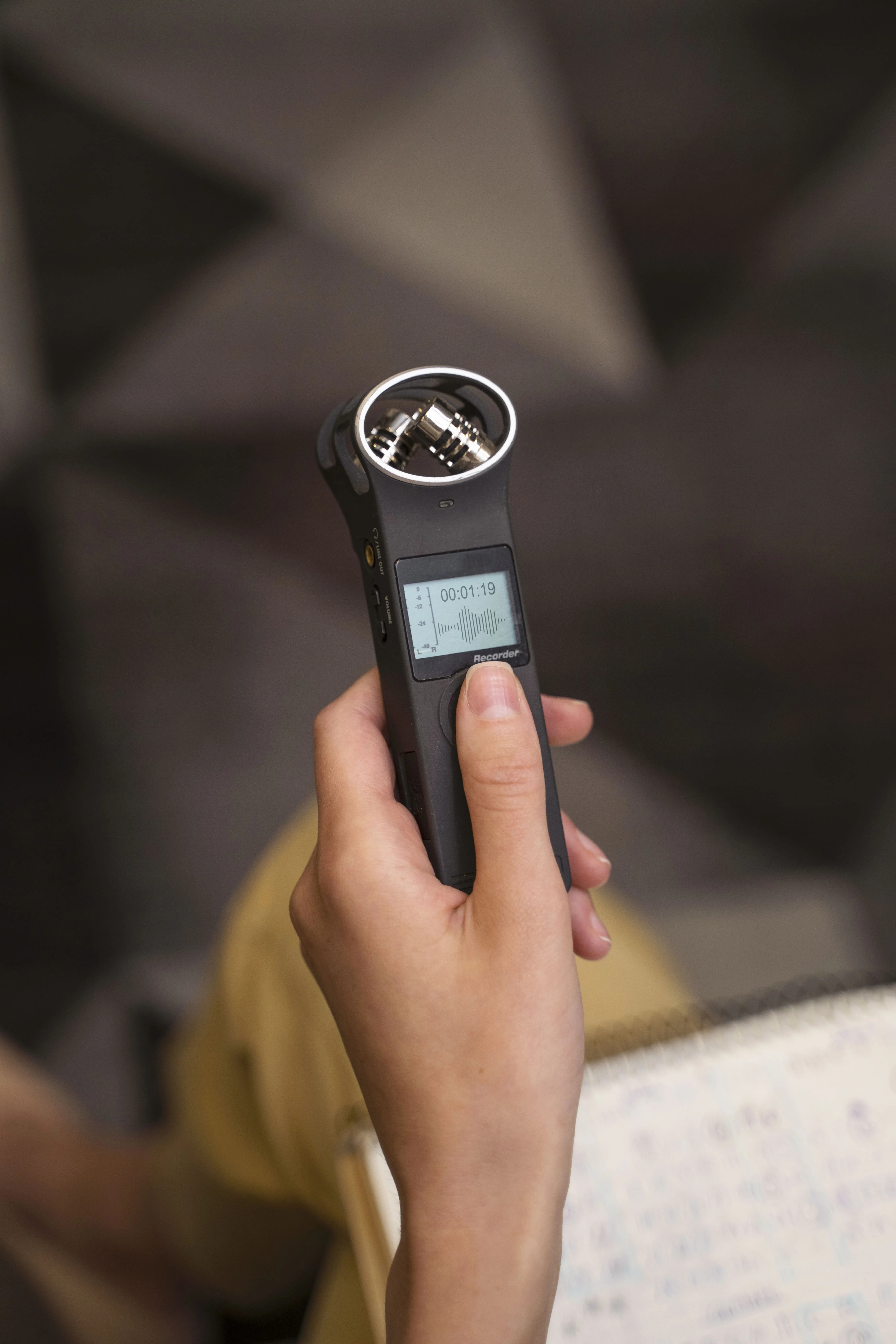
- Portable particle counters for PM2.5/PM10 provide immediate particulate counts.
- Handheld CO/CO2 meters and data loggers record gas concentrations and ventilation performance over time.
- Thermo-hygrometers monitor relative humidity and temperature continuously.
- Targeted sample collection
- VOC samples collected using sorbent tubes or canisters for laboratory analysis (GC-MS) when elevated readings are detected.
- Mold sampling via spore trap air sampling and surface tape or bulk samples to identify species and compare indoor vs outdoor counts.
- Documentation and follow-up
- Every test location is logged and photographed. Samples shipped to accredited labs when required. Data is compiled into a clear report with interpretations and recommendations.
Common field tools: laser particle counters, PID meters for VOC screening, sorbent tubes or evacuated canisters for lab VOC analysis, spore trap samplers, calibrated CO/CO2 monitors, and temperature/humidity loggers.
Interpreting results — what the numbers mean
Results are interpreted in plain terms tied to health and building safety:
- Particulates: Elevated PM2.5/PM10 indicates combustion sources, cooking, or infiltration from outdoors. Results are compared to health guidelines and indoor baseline expectations.
- VOCs: Reported in ppb or ppm; low-level VOCs are common, but higher concentrations or detection of specific compounds (formaldehyde, benzene, toluene) guide material removal or ventilation upgrades.
- Mold: Indoor spore counts compared against outdoor samples. A higher indoor count or dominance of indoor-favoring genera (Stachybotrys, Aspergillus, Penicillium) suggests active growth requiring remediation.
- CO/CO2: CO above safe thresholds indicates appliance or venting failure and requires immediate attention. Persistent CO2 elevation points to inadequate ventilation and suggests HVAC or mechanical ventilation improvements.
- Humidity: Relative humidity consistently above recommended ranges creates conditions favorable to mold and dust mites; low humidity can cause irritation and static.
Reports translate numeric results into action levels (low, moderate, high) and explain health and building implications in accessible language.
Common contaminants in Jefferson homes
Local trends we frequently find during air quality testing in Jefferson, LA:
- Mold growth in attics, crawlspaces, and wall cavities after storms or plumbing leaks
- Elevated humidity-related dust mite populations in older, less ventilated homes
- VOCs from post-storm repairs, new flooring, cabinetry, and paint
- Fine particulate spikes from indoor cooking, incense, or outdoor smoke intrusion
- Intermittent CO from gas appliances, especially in homes with blocked vents or aging furnaces
Recommended remediation and improvements
Testing informs targeted remediation to deliver measurable air quality gains:
- Air purification: HEPA filtration for particulates and activated carbon filters for VOC reduction. Portable units for room-level control and whole-house options integrated with HVAC systems.
- Source control: Repair water leaks, replace off-gassing materials, and switch to low-VOC products during renovations.
- Humidity management: Dehumidifiers for basements and whole-house dehumidification in high-humidity seasons; humidifiers in winter if air becomes too dry.
- HVAC maintenance and filtration: Upgrade to higher MERV-rated filters compatible with your system, ensure proper sealing, and schedule professional duct cleaning if contamination or microbial growth is detected.
- Localized mold remediation: Contain and remove affected materials, dry structures thoroughly, and treat affected areas to prevent recurrence.
- Ventilation upgrades: Improve mechanical ventilation to reduce CO2 and VOC accumulation and provide consistent fresh air exchange.
Sample reports and deliverables
A typical air quality testing report for Jefferson homes includes:
- Executive summary with prioritized findings and immediate concerns
- Visual documentation of sampled locations and observed moisture or damage
- Graphs of time-series data for particles, CO/CO2, and humidity
- Lab-certified VOC and mold laboratory results with interpretations
- Recommended remediation steps ranked by urgency and expected effectiveness
- Suggested follow-up testing schedule to confirm improvements
Reports are written for homeowners and property managers, translating technical results into practical next steps.
Turnaround times and bundled packages
On-site diagnostic testing is often completed in a single visit that may take 2 to 4 hours depending on the number of test points and any time-based logging required. Lab-based VOC and mold species analyses typically return results within 48 to 72 hours after samples arrive at the laboratory. Final reports are compiled promptly once lab data is received.
Bundled testing plus remediation packages commonly pair an initial diagnostic assessment with prioritized remediation work such as HVAC filter upgrades, installation of HEPA/activated carbon purifiers, targeted mold remediation, and a follow-up verification test to confirm that corrective actions were successful. Bundles are designed to streamline the process and reduce the time between diagnosis and resolution.
Long-term benefits and maintenance tips
Regular air quality testing after major repairs, flooding, or if household symptoms persist provides peace of mind and protects health. Maintain HVAC systems, monitor humidity seasonally, use low-VOC materials for renovations, and schedule follow-up testing after remediation to verify that indoor air meets healthy standards.
Air quality testing in Jefferson, LA provides a clear roadmap from problem identification to effective remediation—especially important in a humid, storm-prone region where hidden moisture and VOC sources are common. Comprehensive, evidence-based testing helps prioritize fixes that deliver measurable improvements in comfort, health, and indoor environmental quality.
OUR CLIENTS HAVE TO SAY ABOUT US



Service areas
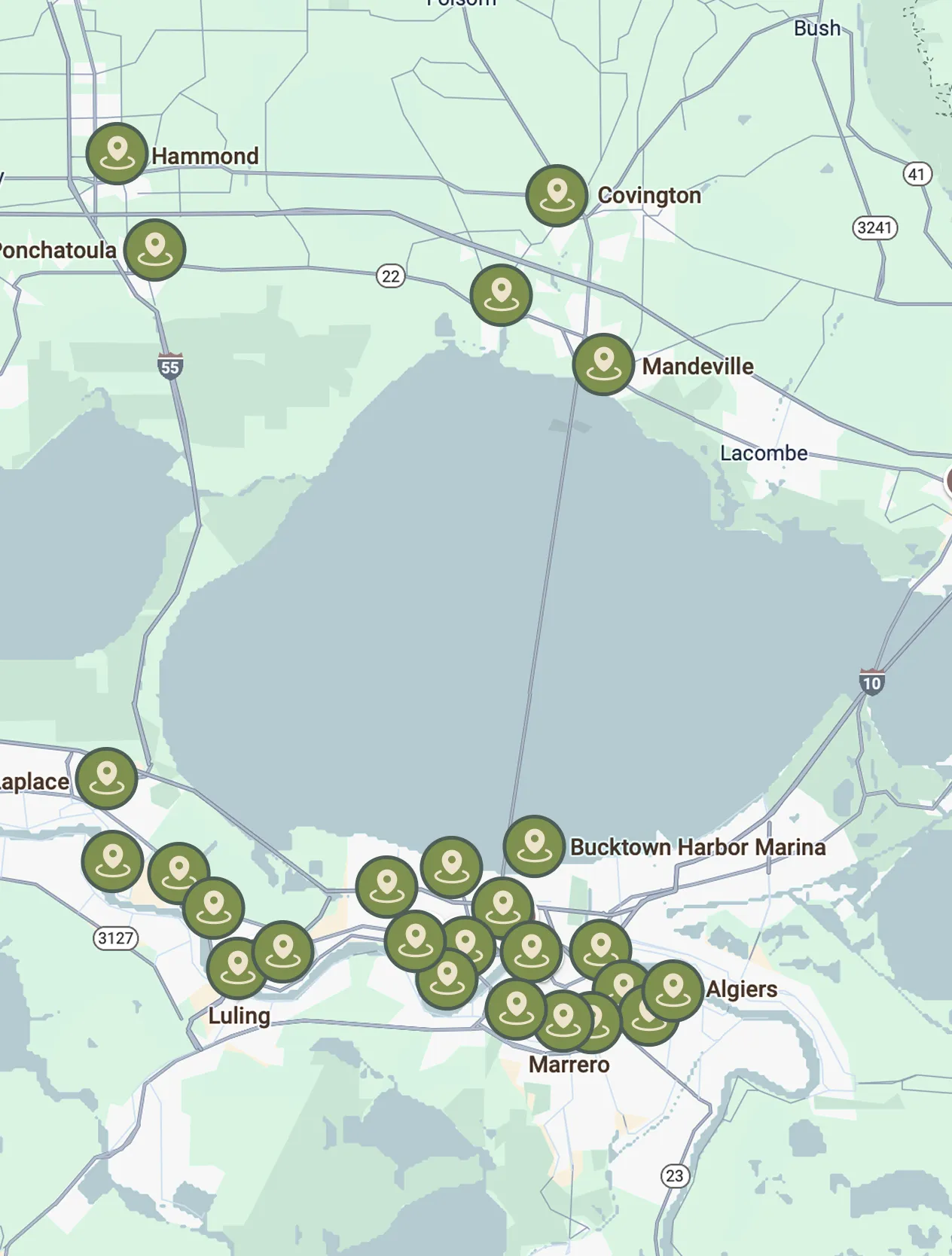
Our service areas are designed to meet the diverse needs of our clients. We focus on providing exceptional service and ensuring customer satisfaction in every location we operate.