Air Quality Testing in Harvey, LA
.webp)
Cypress Cooling's air quality testing service in Harvey, LA, offers targeted assessments designed to identify potential issues related to mold, VOCs, carbon monoxide (CO) risks, and humidity related concerns. Our service combines real time monitoring, comprehensive lab analyses, and detailed on site diagnostics to deliver clear findings, actionable recommendations, and priority based remediation plans. Clients receive accessible reports, informative visuals, and the option for verification testing to confirm the effectiveness of implemented improvements. Cypress Cooling's testing services support pre purchase due diligence, post storm recovery efforts, and ongoing maintenance programs, helping property owners protect their health, preserve building materials, and maintain comfortable indoor environments in our humid coastal climate.
Air Quality Testing in Harvey, LA
Indoor air quality testing in Harvey, LA helps homeowners and property managers identify hidden risks that affect comfort, health, and property value. Coastal humidity, seasonal storms, and older building stock in the Harvey area make homes and businesses especially vulnerable to mold growth, elevated humidity, lingering volatile organic compounds (VOCs) from renovations, and infiltration of outdoor particulates. Professional air quality testing pinpoints problems quickly, explains what’s causing them, and guides effective remediation so your indoor environment meets health-oriented standards.
Common indoor air quality issues in Harvey, LA
Harvey homes and commercial properties typically encounter several recurring IAQ problems:
- High indoor humidity and moisture-related mold growth — Gulf Coast humidity and occasional flooding create ideal conditions for mold and mildew in crawlspaces, attics, and wall cavities.
- Elevated particulate levels — Dust, pollen, and soot can increase during storm events or from nearby road and industrial activity.
- Mold spores in living spaces — Hidden leaks or poor ventilation can lead to airborne mold spore counts that exceed outdoor baselines.
- VOCs from renovations and household products — New paint, flooring, adhesives, and cleaning products release VOCs that can accumulate in poorly ventilated homes.
- Carbon monoxide (CO) risks — Malfunctioning combustion appliances, gas water heaters, and heaters can produce dangerous CO concentrations if not vented or serviced.
- Imbalanced ventilation and filtration — Inadequate HVAC filtration or sealed homes without proper fresh-air exchange can trap pollutants indoors.
Types of tests provided
Air quality testing in Harvey, LA commonly includes a suite of targeted assessments to cover both acute hazards and chronic conditions:
- Particulate monitoring (PM2.5 and PM10) using real-time particle counters
- Mold spore sampling (airborne spore traps and surface swabs) with laboratory identification and quantification
- VOC screening (photoionization detectors for on-site readings and canister samples when lab analysis is needed)
- Humidity and temperature logging (data loggers to capture variations over time)
- Carbon monoxide measurement (digital CO sensors to detect hazardous levels)
- HVAC airflow and filter efficiency checks, plus duct leakage and pressure differential testing when ventilation problems are suspected
On-site sampling and diagnostic process
- Initial walkthrough and intake: We document occupant concerns, recent water events, renovations, and the building layout to target sampling locations.
- Strategic sampling: Typical sample locations include bedrooms, living areas, attics, crawlspaces, HVAC returns, and any rooms with visible moisture or odors. In homes impacted by recent flooding or leaks, additional wall cavity or insulation sampling may be taken.
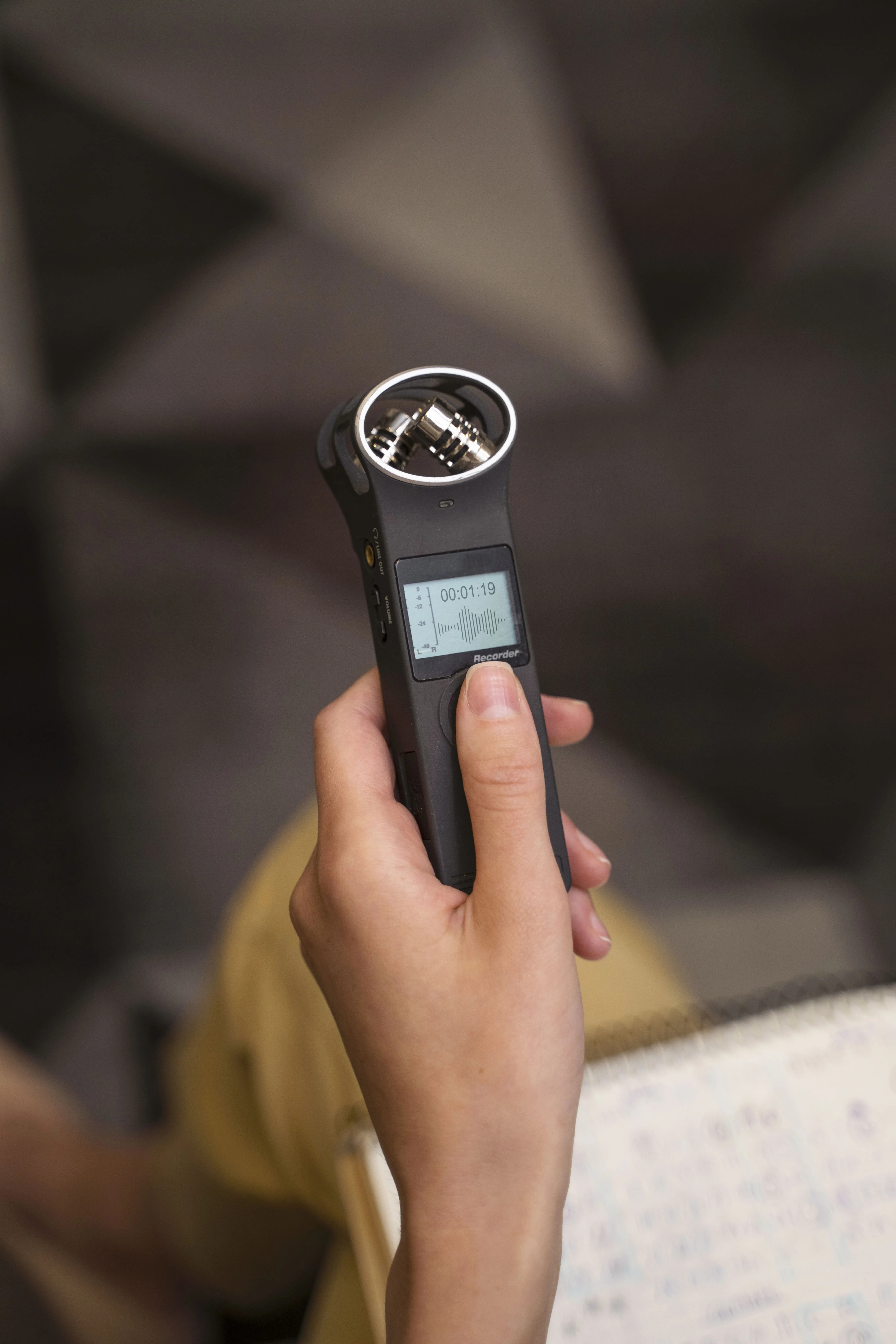
- Instrument-based diagnostics: Real-time particle counters, VOC meters, and CO detectors provide immediate readings to identify urgent hazards. Humidity loggers are often left in place for 48–72 hours to capture daily cycles.
- Laboratory samples: Air and surface mold samples or VOC canisters that require lab identification are packaged and sent to accredited labs under chain-of-custody procedures to ensure accurate results.
- Data aggregation: Field readings and lab results are combined with visual inspection findings to form a comprehensive picture of indoor air quality.
How results are reported and interpreted
Reports are written in plain language and include:
- A summary of findings with clear comparisons to commonly referenced health or industry guidance (for example, recommended humidity ranges and particle concentration benchmarks)
- Visuals such as graphs of particulate trends and humidity cycles, plus photographic documentation of problem areas
- Lab summaries for mold species and VOC identifications, with explanations about potential health relevance for common indoor species or chemicals
- Risk prioritization indicating immediate hazards (elevated CO, active mold growth) versus longer-term concerns (chronic high humidity or low ventilation)
- Recommended next steps tailored to the home or building type and the specific contaminant profile
Recommended remediation and solutions
Remediation strategies depend on the findings but commonly include one or more of the following approaches:
- Filtration upgrades: Installing or recommending HEPA-grade air cleaners, upgrading HVAC filters to appropriate MERV ratings, and using portable air purifiers for localized issues.
- HVAC inspection and cleaning: Cleaning coils, drain pans, and ductwork when HVAC systems are spreading dust or biologic contaminants. Ensuring proper ventilation rates and balanced airflow is essential in humid climates like Harvey.
- Moisture control: Targeted repairs for leaks, improved drainage, dehumidification (commercial or residential dehumidifiers), and crawlspace/attic encapsulation to prevent recurring mold.
- UV-C installation: UV germicidal lights in HVAC systems can reduce microbial growth on coils and in drain pans when applied as part of a broader maintenance plan.
- Source control and ventilation: Removing or sealing off VOC-emitting materials, increasing fresh-air exchange, and installing exhaust ventilation in kitchens and bathrooms.
- Carbon monoxide mitigation: Inspection and servicing of combustion appliances, proper venting, and repair or replacement of faulty equipment.
- Post-remediation verification: Follow-up testing to confirm that remediation reduced contaminants to acceptable levels.
Typical timelines and testing scenarios
- On-site assessment and initial air sampling: most homes require 1–3 hours for a comprehensive walkthrough and immediate measurements.
- Short-term monitoring (particles, CO, VOC spot checks): immediate results are available on-site; written reports typically follow after data review.
- Laboratory-based results (mold identifications, certain VOC analyses): usually returned within several business days, depending on lab schedules.
- Post-remediation retesting: commonly scheduled 7–14 days after remediation to verify effectiveness and allow any treatment residues to clear.
How testing fits into maintenance and property programs
Air quality testing is useful at key decision points for Harvey property owners:
- Pre-purchase inspections to identify hidden IAQ liabilities before closing
- Post-flood or storm recovery verification to ensure drying and remediation were effective
- Seasonal maintenance checks to manage humidity and allergen loads in a humid coastal climate
- Pre- and post-renovation testing to document baseline VOCs and confirm proper ventilation during projects
- Ongoing maintenance packages that include periodic IAQ checks, HVAC filter replacement schedules, and humidity management plans
Air quality testing in Harvey, LA is a diagnostic step that reduces uncertainty and directs remediation resources where they matter most. With appropriately targeted sampling, clear interpretation, and follow-up verification, homeowners and property managers can reduce health risks, protect building materials, and improve overall comfort in a climate that makes proactive IAQ management essential.
OUR CLIENTS HAVE TO SAY ABOUT US



Service areas
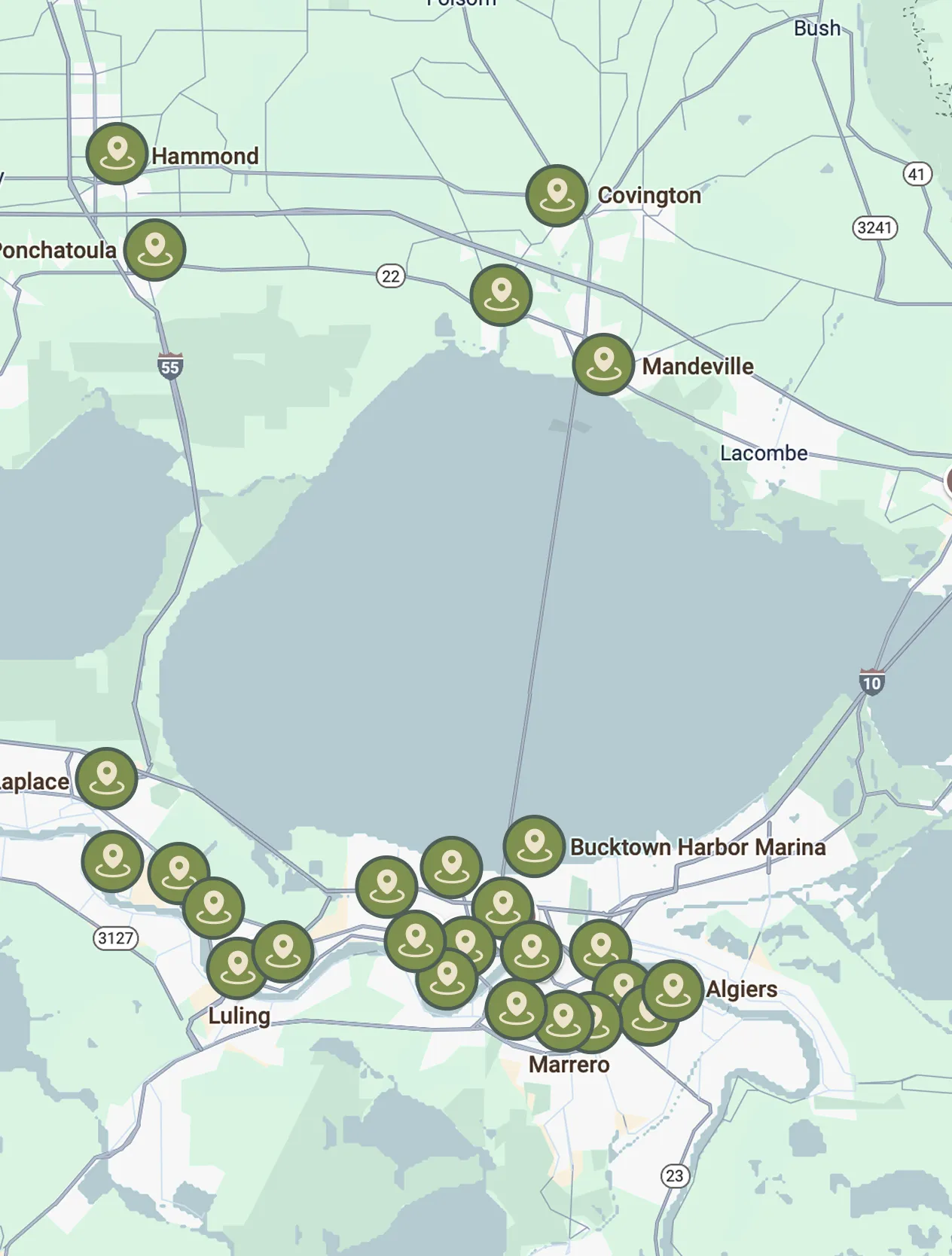
Our service areas are designed to meet the diverse needs of our clients. We focus on providing exceptional service and ensuring customer satisfaction in every location we operate.