Air Quality Testing in Harahan, LA
.webp)
Cypress Cooling provides professional air quality testing services in Harahan, LA, with a strong focus on identifying potential risks associated with particulates, VOCs, mold, carbon monoxide (CO), formaldehyde, and excessive moisture. Our comprehensive process includes detailed on site measurements, targeted sampling techniques, and thorough laboratory analysis. The results are then presented in an easy to understand format, including executive summaries, relevant benchmarks, and prioritized remediation recommendations. Cypress Cooling understands the common indoor air quality challenges faced by Harahan homes and suggests practical upgrades such as improved filtration systems, effective moisture control solutions, and enhanced ventilation strategies. With follow up verification testing and a clear timeline—from initial scheduling to the delivery of the final report—Cypress Cooling helps Harahan homeowners make informed decisions to protect their health and property.

Air Quality Testing in Harahan, LA
Keeping indoor air healthy in Harahan homes is essential for comfort, respiratory health, and protecting property value. With the humid Gulf Coast climate, seasonal storms, occasional flooding, and tightly sealed modern construction, residents here commonly face elevated mold, humidity-related issues, combustion gas exposure after outages, and indoor chemical off-gassing. Professional air quality testing in Harahan, LA identifies the specific contaminants affecting your home, explains what they mean, and provides evidence-based recommendations for remediation or system upgrades.
What we test and why it matters
- Particulates (PM2.5 and PM10) — Fine particles penetrate deep into lungs and aggravate asthma and cardiovascular conditions. Sources include cooking, tobacco smoke, outdoor vehicle/industrial infiltration, and some filters that are undersized or bypassed.
- Volatile Organic Compounds (VOCs) — VOCs (paint solvents, cleaning products, adhesives) cause headaches, irritation, and long-term risks at high concentrations. Renovations, new furniture, and storage of chemicals are common indoor sources.
- Mold spores — High humidity and past flooding in Harahan increase the likelihood of hidden mold growth. Air and surface sampling determine whether indoor concentrations and species indicate active growth.
- Relative humidity and temperature — Persistent humidity above 60% encourages mold and dust mites; controlling moisture is often the most effective intervention.
- Carbon monoxide (CO) — CO is a silent danger from gas furnaces, water heaters, stoves, and portable generators — especially after storms when generators are in frequent use.
- Formaldehyde — Emitted from pressed wood products, cabinetry, and some fabrics; relevant after renovations or in homes with new composite materials.
How testing is performed
Testing combines on-site instrumentation with targeted sampling sent to accredited labs to ensure accurate, defensible results.
- Initial walkthrough and complaint review
- Technician documents occupant complaints (odors, allergy symptoms, visible dampness), building type, and known risk factors (recent floods, renovations, generator use).
- On-site real-time measurements
- Portable PM2.5 monitors, CO meters, and humidity/temperature sensors provide immediate readings and help locate hotspots.
- Integrated air sampling
- Particulate pumps collect time-weighted PM samples. VOCs may be captured via sorbent tubes or evacuated canisters for lab GC-MS analysis.
- Mold sampling
- Air cassettes, surface swabs, or tape lifts are used depending on suspected conditions. Bulk materials can be sampled if active growth is visible.
- Formaldehyde and specific compound tests
- Passive badges or sorbent methods collect formaldehyde and other targeted compounds for laboratory quantification.
- Lab analysis and quality controls
- Accredited labs analyze collected samples. Some on-site instruments provide immediate trends, but lab testing confirms species and compound identities.
How results are reported and interpreted
Reports are written to be actionable and understandable:
- Executive summary with clear findings (what is above recommended levels and where).
- Numeric tables showing measured values alongside comparison benchmarks (EPA, ASHRAE, or industry guidance).
- Interpretation explaining probable sources (e.g., elevated VOCs near recently renovated rooms; high airborne mold in basement/crawlspace).
- Health implications tailored to sensitive occupants (children, elderly, asthma sufferers).
- Prioritized remediation recommendations matched to each finding and an estimate of likely effectiveness.
Reports often include photos, time-series charts, and maps of sample locations so you can see exactly where problems were found.
Common air quality issues in Harahan, LA homes
- Elevated indoor humidity and mold growth after heavy rains or minor flooding.
- VOC spikes following renovations, new furniture, or storage of household chemicals in enclosed spaces.
- Intermittent CO exposures associated with improperly vented appliances or generator use during power outages.
- Fine particle infiltration from outdoor sources during high-traffic periods or nearby emissions.
- Poor ventilation in tightly sealed or older homes with outdated HVAC systems.
Typical remediation and system upgrades based on findings
Recommendations focus on source control, ventilation, and filtration — the proven hierarchy for improving indoor air.
- Source elimination or reduction
- Remove or isolate high-VOC products; allow new materials to off-gas in ventilated areas before installation.
- Remediate visible mold and dry wet materials promptly; repair leaks and address flood-impacted materials.
- Moisture control
- Install whole-house or point-of-use dehumidifiers to maintain relative humidity between 30–50%.
- Seal and condition crawlspaces to prevent ground moisture intrusion, especially after flooding.
- Filtration upgrades
- Upgrade HVAC filters to MERV 13 where compatible, and add portable HEPA air cleaners in problem rooms for particle reduction.
- Consider whole-home HEPA or high-efficiency filtration if PM2.5 is a persistent issue.
- Ventilation improvements
- Balanced mechanical ventilation or an ERV/HRV can bring fresh air in while managing energy loss, reducing indoor pollutant accumulation.
- Combustion safety
- Inspect and tune gas appliances; ensure proper venting and install CO alarms rated for residential safety.
- Chemical adsorption
- Use activated carbon filters or dedicated VOC air cleaners if organic compound levels are elevated.
Each recommendation in a report is tied to the measured problem so decisions are evidence-based and prioritized.
Verification testing and follow-up
After remediation, follow-up testing verifies that actions were effective. Typical approaches:
- Short-term re-test (same methods/sensors) to confirm particulate, CO, or humidity reductions immediately after repairs.
- Post-remediation lab samples for VOCs or mold, generally taken after sources are removed and spaces are stabilized.
- Optional ongoing monitoring in high-risk homes with continuous sensors for PM2.5, CO, and humidity.
Verification timing depends on the intervention: immediate for HVAC/combustion fixes, and 1–4 weeks after mold remediation or VOC source removal to allow concentrations to stabilize.
Typical testing timeline in Harahan homes
- Scheduling and walkthrough: typically within a few days to a week depending on availability.
- On-site assessment and sampling: 1–4 hours for most homes; extended sampling (24 hours) may be used for time-weighted VOCs or particulates.
- Lab turnaround: on-site instrument results available same day; lab analyses typically return within 48 hours to 2 weeks depending on the test panel.
- Report delivery and recommendations: usually within 3–14 days of sampling, including prioritized remediation steps and verification plan.
Why test now
In Harahan’s humid climate and with seasonal storm impacts, timely testing prevents minor moisture or combustion issues from becoming chronic health hazards or structural problems. Professional air quality testing provides the data you need to choose targeted, cost-effective fixes — from simple dehumidification and filtration upgrades to focused remediation of mold or VOC sources — and verify that those fixes actually improved your indoor air.
This testing-centered approach gives homeowners in Harahan clear, defensible results and a practical roadmap to healthier indoor air without guesswork.
OUR CLIENTS HAVE TO SAY ABOUT US



Service areas
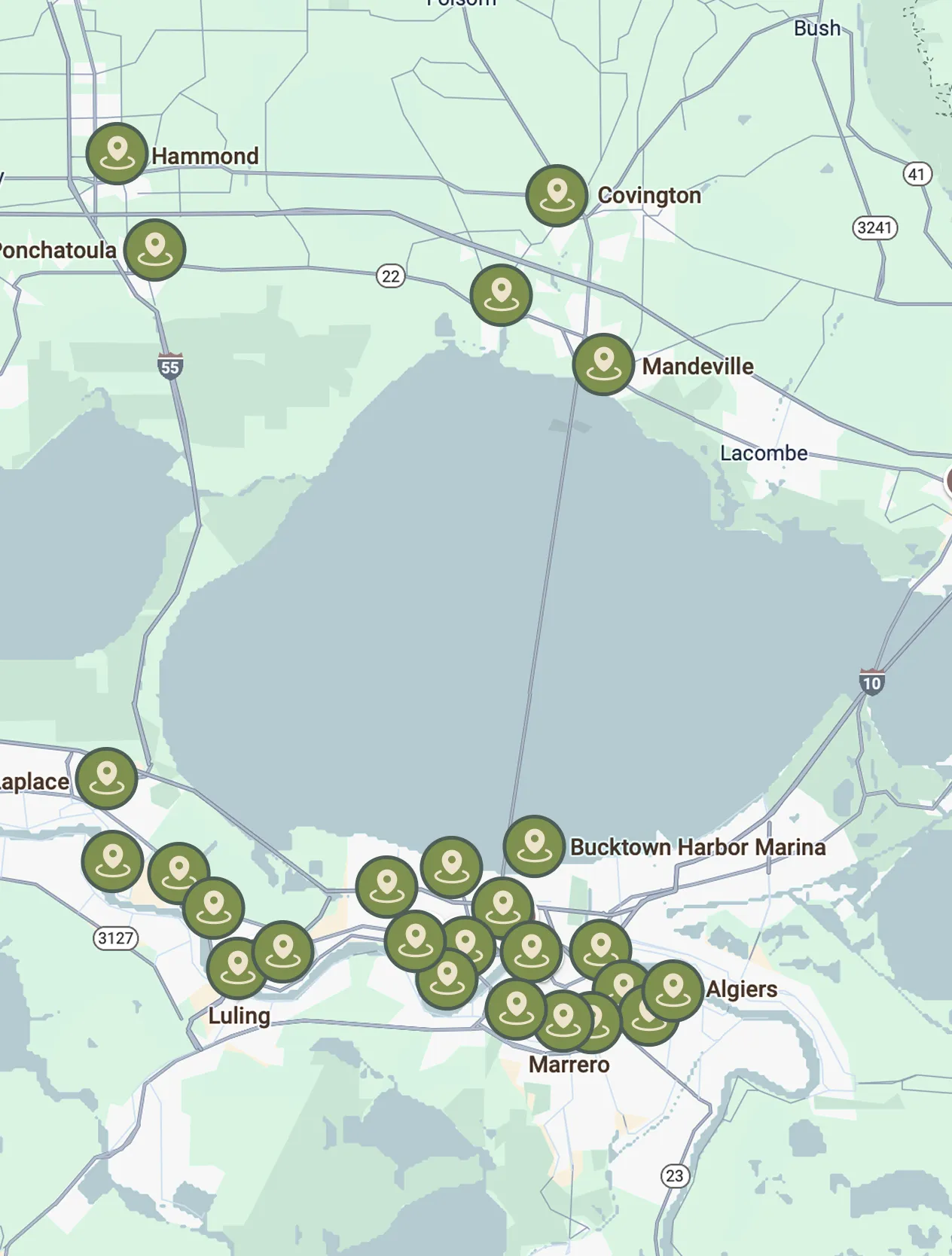
Our service areas are designed to meet the diverse needs of our clients. We focus on providing exceptional service and ensuring customer satisfaction in every location we operate.