Air Quality Testing in Hammond, LA
.webp)
Cypress Cooling's air quality testing service in Hammond, LA, empowers homeowners with data driven insights into potential pollutants, their sources, and associated health risks, guiding you toward effective remediation strategies. We understand you want to know exactly what we test for, so we analyze for particulates, mold, VOCs, CO/CO2, temperature, and humidity. We'll clearly explain how samples are collected and, most importantly, how the results are interpreted against established health guidelines. Cypress Cooling will outline the typical timeline from the initial site visit to the delivery of the final report. We also offer Hammond specific remediation recommendations, such as filtration upgrades, enhanced ventilation, dehumidification strategies, source control measures, and proactive HVAC maintenance. Regular testing with Cypress Cooling supports a safer and healthier home environment for you and your family.
Air Quality Testing in Hammond, LA
Indoor air quality testing in Hammond, LA helps you understand what you and your family are actually breathing and gives clear, prioritized solutions to reduce health risk, odors, and long term damage to your home. Hammond homes face particular challenges: hot, humid summers, frequent rainfall, older building stock, and nearby vehicle and agricultural sources that can elevate particulates, mold risk, and volatile organic compounds. Professional testing turns uncertainty into specific, actionable data.
Why test indoor air in Hammond homes
- Persistent musty odors after storms or high humidity suggest microbial growth.
- Allergy, asthma, or unexplained respiratory symptoms that worsen at home.
- Recent renovations, new carpeting, or painting that could increase VOCs.
- Visible water stains, past flooding, or chronic condensation on windows.
- Concern about indoor combustion sources like gas stoves, fireplaces, or vehicle exhaust entering living spaces.
Testing tells you what pollutants are present, where they are coming from, how they compare to health-based guidelines, and which remediation steps will be most effective for your home and local climate.
Common indoor air quality issues in Hammond, LA
- Higher mold and microbial growth risk because of high relative humidity and frequent storms.
- Elevated PM2.5 and PM10 during yard burning, nearby road traffic, or construction.
- VOCs from building materials, paints, and pesticides used in agricultural areas.
- Poor ventilation leading to high CO2 and stale air during hot months when homes are sealed and air conditioning runs.
- Intermittent CO spikes from improperly vented appliances or blocked flues.
What we test for and why it matters
- Particulates (PM2.5 and PM10): Fine particles penetrate deep into lungs and aggravate asthma and heart conditions. PM2.5 is of special concern and is compared to established health benchmarks.
- Mold and microbial sampling: Identifies airborne spores, surface contamination, and microbial volatile organic compounds that can cause allergic reactions and material degradation.
- Volatile organic compounds (VOCs): Chemicals that off-gas from paints, cleaners, carpeting, and stored fuels. Some VOCs cause short term irritation; others have longer term health implications.
- Carbon monoxide (CO) and carbon dioxide (CO2): CO is an acute poisoning risk when combustion appliances malfunction. CO2 is a ventilation indicator; levels above about 1000 ppm generally indicate inadequate fresh air exchange.
- Temperature and relative humidity: Persistent humidity above 60 percent increases mold risk. Maintaining 30 to 50 percent relative humidity reduces mold growth while keeping indoor comfort.
- Additional targeted tests: Surface tape lifts, bulk material sampling, and moisture mapping where water intrusion or hidden mold is suspected.
How testing is done — methods explained simply
- Baseline walkthrough and visual inspection: A technician documents moisture, observable mold, HVAC condition, and potential pollutant sources to design the sampling plan.
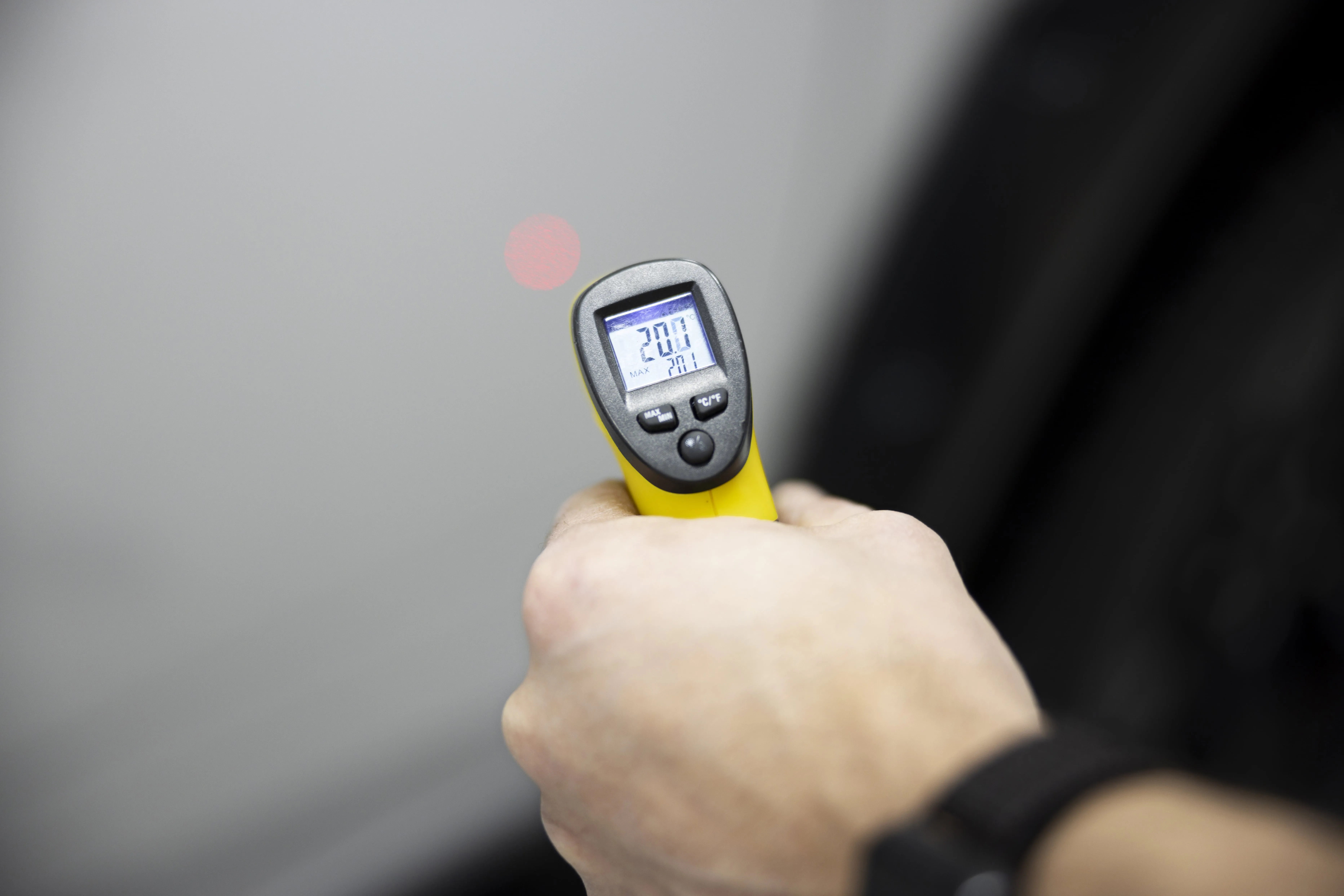
- Real time monitoring: Portable particle counters and VOC meters provide immediate snapshots of PM and chemical levels to identify hotspots and temporal trends.
- Filter-based and gravimetric sampling: Air is pulled through calibrated pumps onto filters for precise PM mass measurement and lab analysis.
- Spore traps and air cassette sampling: Airborne spores are captured on a medium and analyzed microscopically or by lab methods for species identification and concentrations.
- Surface tape lifts and swabs: Used on visible growth or suspect materials to determine colonization and whether remediation is needed.
- Sorbent tubes and canister sampling: Collected for laboratory GC-MS (gas chromatography mass spectrometry) testing to quantify specific VOCs and their concentrations.
- CO and CO2 sensors, thermo-hygrometers: Calibrated instruments record gas concentrations and environmental conditions during the assessment.
What your results will say and how to read them
- Numeric concentrations alongside health or guideline references: e.g., PM2.5 compared to the 24-hour guidance level, CO2 used to assess ventilation, VOCs listed by compound and concentration.
- Interpretation in plain language: Which values are within typical indoor ranges, which are elevated, likely sources, and whether results are episodic or persistent.
- Confidence and limitations: Notes on sample locations, sampling duration, and whether follow-up monitoring is recommended to capture daily or seasonal variation.
Typical timeline and sample report contents
- Initial assessment and sampling plan completed the same day as the site visit.
- On-site real-time data delivered verbally or in a brief field summary the same day.
- Short-term lab results (PM, CO2, humidity) within 24 to 72 hours.
- Microbial and VOC laboratory reports in about 3 to 14 days depending on test complexity and lab methods.
- Final sample report includes: executive summary, test methods, all raw data and lab certificates, clear interpretation of each pollutant, photographic documentation, and prioritized remediation recommendations.
Recommended remediation tailored for Hammond conditions
- Filtration upgrades: Portable HEPA air cleaners for bedrooms and living areas and higher MERV filters in HVAC systems to reduce PM2.5 and allergen load.
- Enhanced ventilation: Mechanical ventilation strategies or balanced systems to introduce filtered outdoor air without excess humidity. Use ventilation primarily during drier, lower-pollution periods.
- Dehumidification: Whole-house or targeted dehumidifiers to maintain relative humidity in the 30 to 50 percent range to inhibit mold growth.
- Source control: Identify and eliminate or seal pollutant sources such as solvent-containing materials, stored fuels, or unvented combustion appliances.
- HVAC inspection and cleaning: Duct inspection, cleaning where contaminated, and ensuring condensate drains and coils are functioning to prevent moisture buildup.
- Targeted mold remediation: Containment, removal of affected materials when necessary, and drying plus antimicrobial treatments guided by sampling results.
- HVAC filtration and ventilation balancing: Adjustments to air exchange rates, installation of higher-efficiency filters, and consideration of energy recovery ventilation for humid climates.
How air testing integrates with other home services
Air quality testing provides the objective data that guides effective remediation. Results inform:
- HVAC repairs, filter selection, and system balancing.
- Mold remediation scope and clearance verification after work is completed.
- Insulation or building envelope repairs that reduce condensation and water intrusion.
- Post-renovation monitoring after painting or floor installation to confirm VOC levels have returned to safe ranges.
Long term benefits and maintenance advice
Regular testing after an event such as water intrusion, renovation, or unexplained symptoms confirms that mitigation worked. Simple maintenance steps reduce repeat problems in Hammond homes: keep indoor humidity controlled, ensure adequate attic and crawlspace ventilation, run kitchen and bath exhausts during use, change HVAC filters regularly, and monitor combustion appliances for proper venting. When testing shows elevated pollutants, targeted remediation guided by the report delivers measurable improvements in comfort, health, and home value.
Accurate air quality testing gives you a clear path from concern to solution, with recommendations that account for Hammond, LA climate and common local exposures so you can prioritize fixes that protect health and the home.
OUR CLIENTS HAVE TO SAY ABOUT US



Service areas
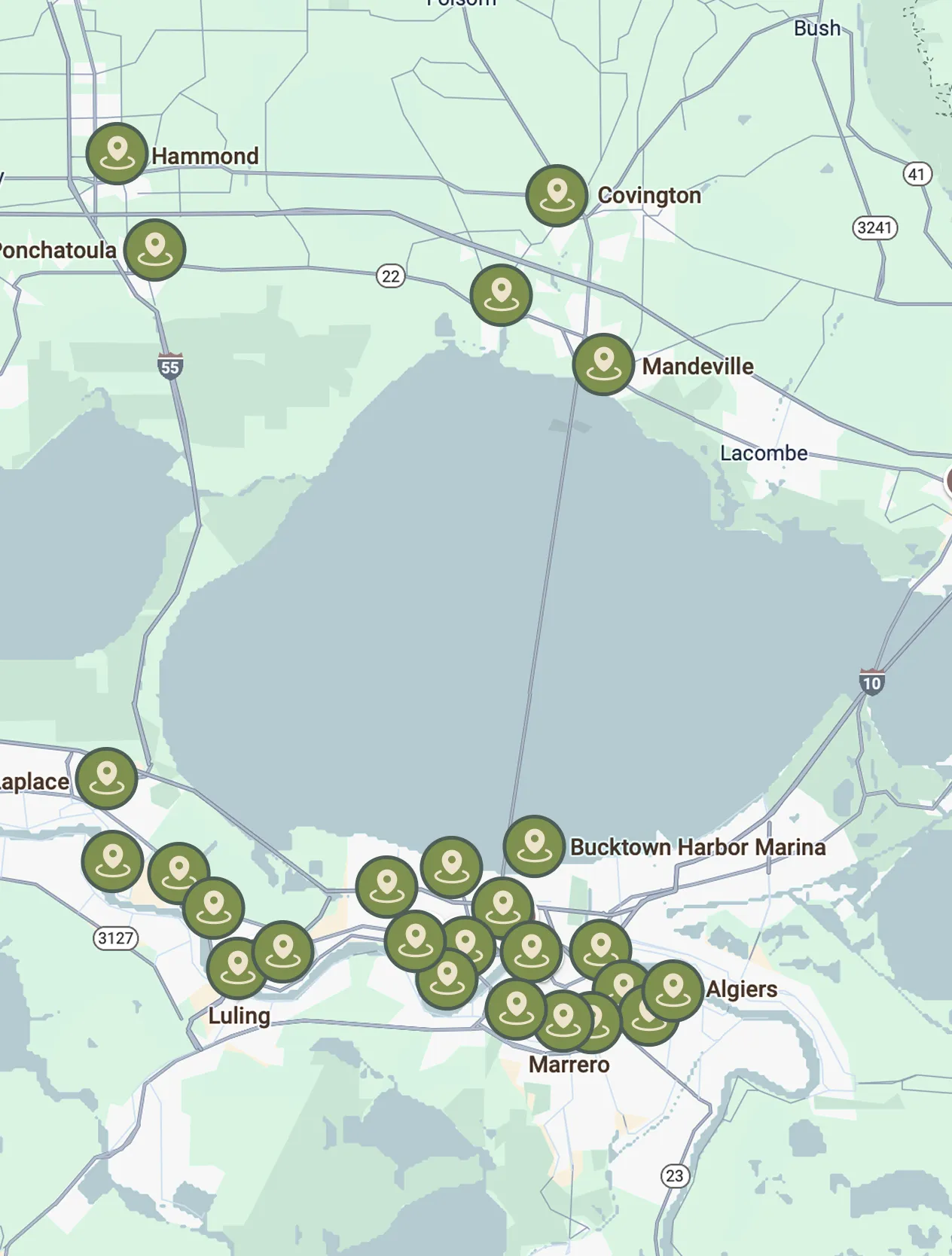
Our service areas are designed to meet the diverse needs of our clients. We focus on providing exceptional service and ensuring customer satisfaction in every location we operate.