Air Quality Testing in Gretna, LA
.webp)
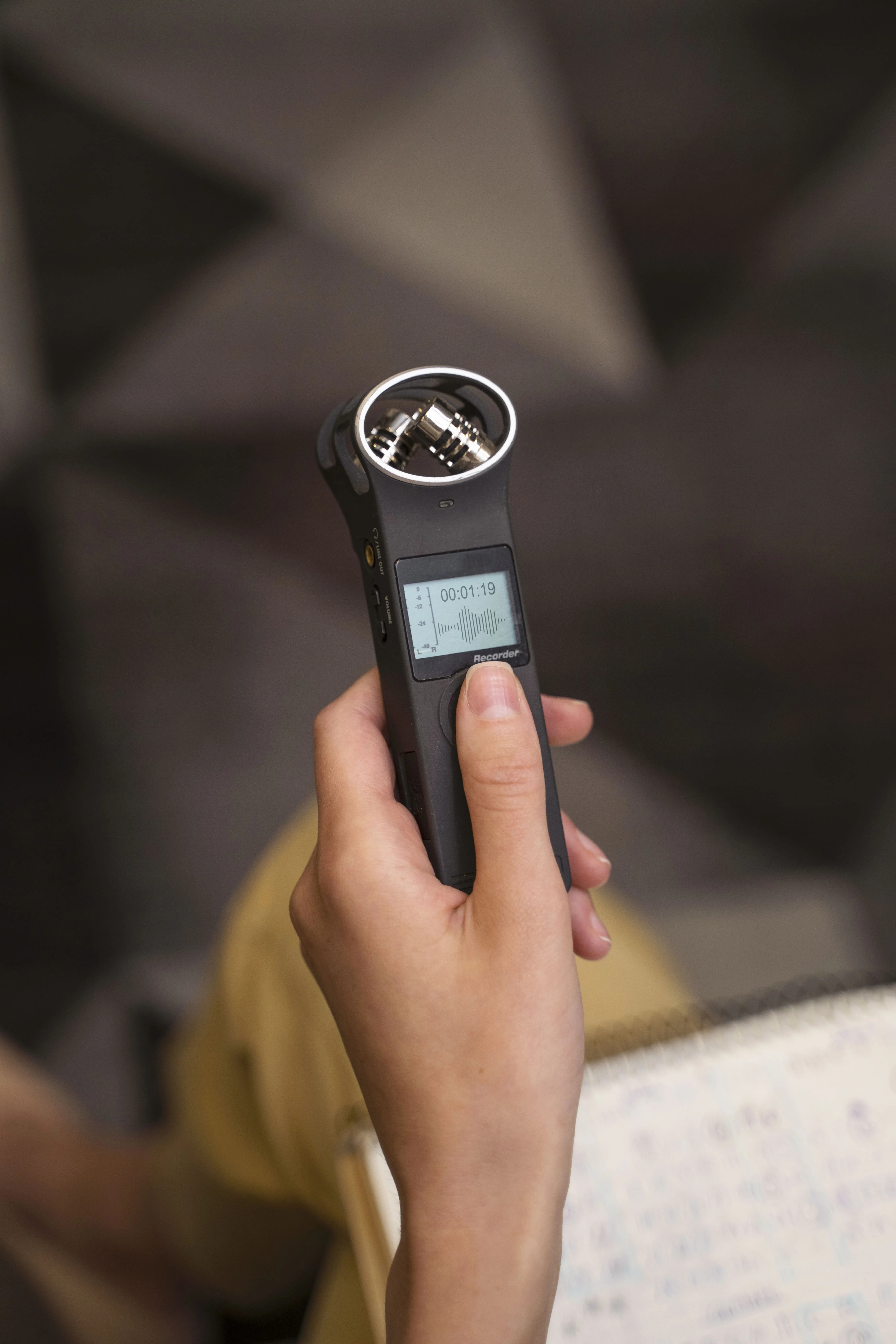
For homeowners in Gretna, LA concerned about indoor air quality, Cypress Cooling offers comprehensive on site testing services. We go beyond simple checks, providing targeted sampling to identify the specific culprits impacting your home, whether it's moisture, mold, volatile organic compounds (VOCs), allergens, or particulates. Our process combines advanced techniques like infrared moisture detection, particle counters, mold and VOC testing, and thorough HVAC evaluations. Following the assessment, you'll receive a detailed written report outlining prioritized remediation steps tailored to your specific needs. Cypress Cooling interprets the results in the context of your building's use, providing practical recommendations for source control, filtration upgrades, humidity management, and proactive maintenance plans. Regular testing with Cypress Cooling supports a healthier indoor environment and helps safeguard your property value.
Air Quality Testing in Gretna, LA
Indoor air quality affects comfort, health, and the longevity of your home. In Gretna, LA, where high humidity, seasonal storms, and older building stock increase the risk of mold, pollen, and moisture-related problems, professional air quality testing gives you clear, actionable data. This page explains what we test for, how testing works, how results are interpreted, and practical remediation and maintenance options tailored to Gretna homes.
Why test indoor air in Gretna, LA
Gretna’s subtropical climate and proximity to the Mississippi River create conditions that commonly lead to:
- Elevated indoor humidity and condensation, promoting mold and mildew growth
- Post-storm or flood-related contamination in basements, crawlspaces, and wall cavities
- High seasonal pollen loads and outdoor particulates entering homes
- Increased VOC exposure from renovations and new furnishings in tightly sealed homes
Testing removes uncertainty. Instead of guessing whether a smell, allergy flare, or visible staining is a health concern, on-site assessment and objective sampling show what is present, at what levels, and where mitigation will have the biggest impact.
Common air quality issues we address in Gretna homes
- Mold and mildew spores in living spaces, attics, basements, and crawlspaces
- Elevated particulate matter from nearby traffic, construction, or wildfire smoke
- Volatile organic compounds (VOCs) from paints, adhesives, cleaning products, and recent renovations
- Allergens such as dust mite fragments, pet dander, and pollen infiltration
- High indoor humidity and conditions that support microbial growth
- HVAC system contamination or inadequate filtration
Types of testing and instruments used
We combine on-site assessment with targeted sampling to identify contaminants and their sources. Typical methods include:
- Visual and moisture inspection: Infrared thermography and moisturometers to locate damp building materials and active leaks
- Particulate testing: Real-time particle counters to measure PM2.5 and PM10 concentrations and assess indoor airborne particle load
- Mold testing: Air samples (spore traps) and surface samples (swabs, tape lifts, or bulk material) to identify species and relative concentrations
- VOC screening: Handheld photoionization detectors (PID) for on-site screening and lab-based gas chromatography-mass spectrometry (GC-MS) for detailed compound identification when needed
- Allergen sampling: Dust collection for laboratory analysis of common indoor allergens
- HVAC evaluation: Duct inspections and sampling to check for microbial growth and filter performance
All field instruments are calibrated and used with standardized sampling protocols to ensure reliable, repeatable results.
The testing process and typical timeline
- Pre-assessment conversation: Review concerns, building history, recent renovations, and any health symptoms linked to indoor air.
- On-site inspection: Walk-through to document problem areas, visible mold, water intrusion, HVAC condition, and occupant activities that influence air quality.
- Targeted sampling: Collect air, surface, and dust samples from selected zones. Sampling strategy is tailored to the home size and suspected issues.
- Lab analysis and interpretation: Samples that require lab work (mold speciation, VOC identification) are sent to accredited labs. Rapid on-site instruments provide immediate screening results.
- Written report: A clear, illustrated report summarizes findings, compares concentrations to recommended reference ranges, and outlines prioritized recommendations.
Typical timelines:
- On-site assessment and sample collection: usually completed in a few hours for an average single-family home
- On-site screening results: immediate for particle counts and VOC screening
- Laboratory turnaround: commonly 2 to 7 business days depending on test type and lab capacity
- Final report delivery: within a few days after lab results are received
Timing can vary with scope, sample volume, and lab scheduling.
Interpreting results and written reporting
Reports are written for homeowners and building professionals. Expect:
- Clear presentation of data, including concentrations, charts, and photos
- Comparison to typical indoor reference values and health-based guidelines where applicable
- Identification of likely sources and areas of highest concern
- Prioritized recommendations for remediation, system improvements, and follow-up testing
- Documentation suitable for property management, insurance, or real estate disclosures when required
Interpretation considers building context. For example, elevated mold spores near a window after heavy rainfall may indicate exterior water intrusion, while uniformly high indoor VOCs after remodeling point to material off-gassing.
Recommended remediation and system upgrades
Recommendations are practical and tailored to the findings and home layout in Gretna. Typical solutions include:
- Source control: Repair leaks, address drainage and flashing issues, replace water-damaged materials
- Filtration upgrades: High-efficiency HVAC filters (MERV-rated appropriate for equipment), whole-house filtration systems, and portable HEPA units for targeted rooms
- HVAC and ventilation improvements: Balanced ventilation, conditioned fresh air intake, and regular duct cleaning where contamination is identified
- Humidity control: Dehumidifiers sized for living space or crawlspace to keep relative humidity in the 30 to 50 percent range, reducing mold risk
- UV germicidal lights: Installed in HVAC systems to reduce microbial growth on coils and in condensate pans
- Targeted remediation: Professional mold remediation following containment, removal, cleaning, and material replacement as required
Recommendations include expected scope and rationale so homeowners can plan effectively.
Integrating testing with maintenance plans and seasonal needs
Air quality testing is most useful when integrated into an ongoing home care strategy:
- Seasonal checks: Schedule testing or screening after hurricane season and during peak humidity months to catch moisture problems early
- Pre- and post-remediation verification: Confirm that remediation or upgrades reduced contaminants to acceptable levels
- Routine HVAC maintenance: Pair testing with filter replacement, duct inspection, and coil cleaning to maintain indoor air performance
- Renovation planning: Testing before and after remodeling helps manage VOC exposure and occupant safety
- Documentation and home resale: Testing provides verifiable records of indoor conditions and corrective actions
Testing can be incorporated into recurring maintenance plans or performed as a one-time diagnostic assessment depending on your needs.
Benefits of timely air quality testing in Gretna
- Objective data to address health concerns and allergy symptoms
- Faster identification and repair of moisture and mold sources
- Informed decisions on upgrades that improve comfort and energy efficiency
- Reduced long-term repair costs by catching problems early
- Peace of mind with clear, documented results and remediation guidance
Testing transforms uncertainty into a prioritized plan that protects occupant health and preserves property value in Gretna homes. Regular assessment and targeted upgrades keep indoor air safer and more comfortable year round.
OUR CLIENTS HAVE TO SAY ABOUT US



Service areas
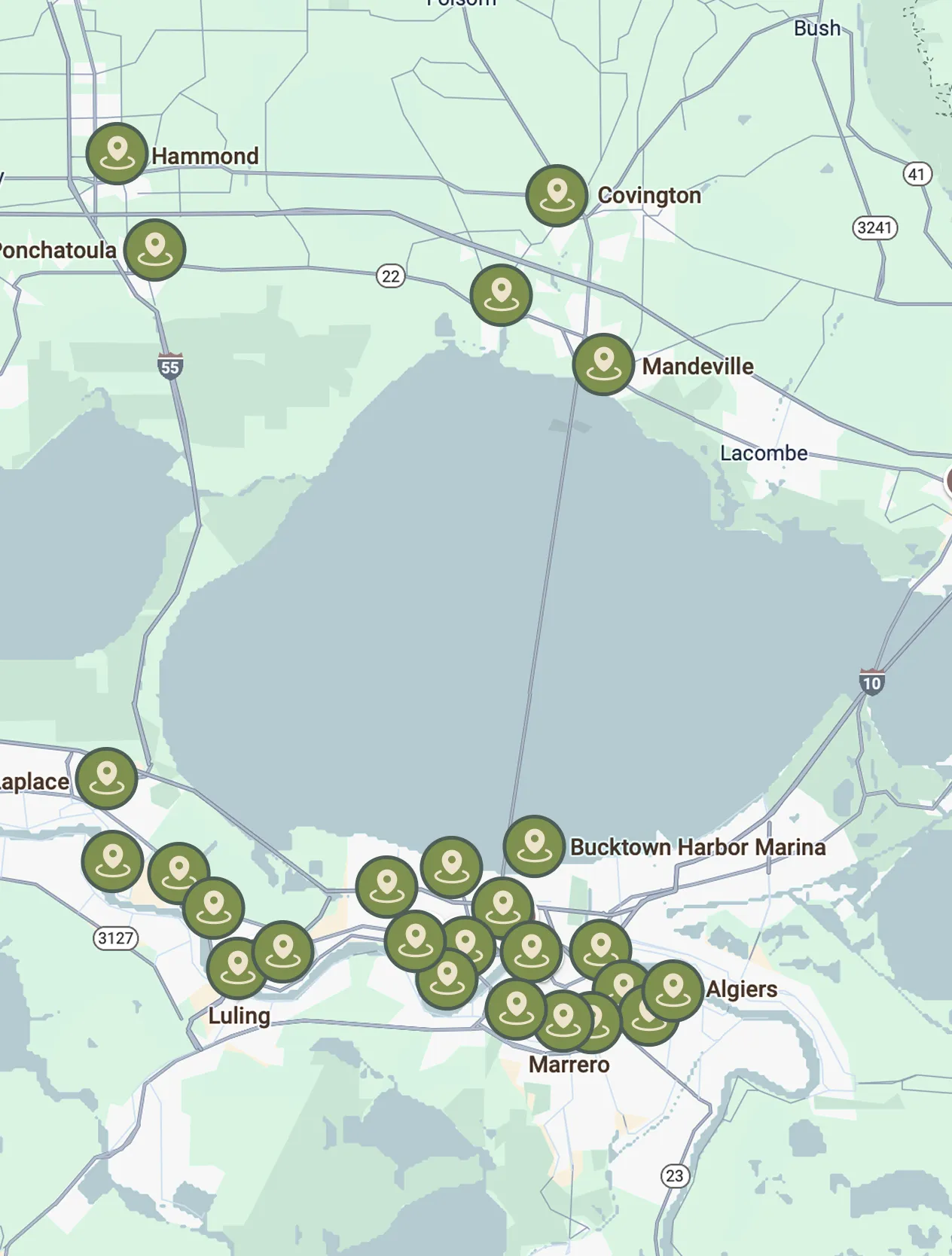
Our service areas are designed to meet the diverse needs of our clients. We focus on providing exceptional service and ensuring customer satisfaction in every location we operate.