Air Quality Testing in Elmwood, LA
.webp)
Cypress Cooling's air quality testing in Elmwood, LA, provides precise, actionable insights into indoor contaminants and their sources, helping protect your health, comfort, and property. Our service addresses mold resulting from humidity and flood risk, VOCs from building materials, combustion hazards, and duct contamination, using on site measurements and lab analysis to confirm findings. A typical engagement with Cypress Cooling includes a baseline assessment, targeted remediation planning, post remediation verification, and ongoing maintenance guidance to prevent recurrence, ensuring safer spaces and informed decisions for homeowners and businesses.
-min.webp)
Air Quality Testing in Elmwood, LA
Indoor air quality testing in Elmwood, LA provides precise, actionable information about the air you breathe at home or work. With the Gulf Coast climate, high humidity, and periodic flooding risks, Elmwood properties are particularly vulnerable to elevated mold spores, persistent moisture, and volatile organic compounds from building materials and household products. Professional air quality testing identifies the specific contaminants affecting your space, explains their likely sources, and guides targeted remediation so you can protect health, comfort, and property value.
Common air quality issues in Elmwood homes and businesses
- High humidity and mold growth — Louisiana humidity promotes mold spores on walls, ceilings, insulation, and behind cabinetry.
- Particulate buildup — Dust, pet dander, and fine particles from indoor cooking or nearby roadways can increase respiratory irritation.
- VOCs (volatile organic compounds) — Offgassing from paints, new flooring, cleaning products, and stored chemicals raises VOC levels indoors.
- Carbon monoxide and carbon dioxide concerns — Faulty combustion appliances or poor ventilation can produce elevated CO or CO2.
- Duct and HVAC contamination — Clogged or contaminated ductwork distributes particles and microbial matter throughout the building.
- Post-flood contaminants — After heavy rain or flooding, hidden moisture and microbial contamination can persist without visible signs.
What professional testing covers
A comprehensive indoor air quality assessment typically includes measurement and analysis of:
- Particulate matter (PM2.5 and PM10) to assess fine and coarse particle concentrations.
- Total and speciated mold spores using air and surface sampling to identify elevated counts and likely species.
- Volatile organic compounds (VOCs) and formaldehyde screening to detect chemical offgassing.
- Relative humidity and temperature profiling to identify moisture conditions that support biological growth.
- Carbon monoxide (CO) and carbon dioxide (CO2) monitoring to detect combustion hazards and ventilation issues.
- Surface swabs or bulk samples when suspected hidden contamination is present.
On-site measurement methods and lab analysis
- Real-time monitors: Portable instruments measure temperature, relative humidity, CO, CO2, and particulate levels on site. These provide immediate data about current conditions and daily patterns.
- Air sampling pumps: For mold spores and specific particulate counts, calibrated pumps draw air through specialized filters or spore traps. Samples are sealed and sent to an accredited laboratory for microscopic counting and species identification.
- VOC sampling: Passive or active samplers collect air over a specified period. Samples are analyzed in specialized labs to quantify total VOCs and identify common compounds when necessary.
- Surface and bulk sampling: Swabs or material samples are taken from suspect areas to confirm contamination that may not be obvious from air sampling alone.
- Documentation and baseline mapping: Technicians record room-by-room conditions, HVAC status, and potential pollutant sources to correlate with lab results.
Typical lab turnaround for detailed analyses is several days to two weeks depending on sample type. Field instruments provide a snapshot and trend data, while lab results deliver definitive identification and concentrations for informed decision making.
Interpreting results—what the numbers mean
Results are presented with clear comparisons to common industry guidelines and health-based benchmarks. Interpreting findings focuses on:
- Identifying exceedances that require prompt action (for example, elevated CO or mold counts in living spaces).
- Recognizing patterns like high humidity in basements or spike in VOCs after renovations.
- Prioritizing issues by health risk and source control feasibility.
Professionals translate technical data into plain-language recommendations, noting confidence levels for each finding and whether further investigation (like intrusive moisture inspections) is warranted.
Recommended remediation approaches
Remediation plans are tailored to the specific contaminants and building conditions in Elmwood homes. Common, effective strategies include:
- Source control — Remove or replace materials that offgas VOCs, fix water intrusion, and address combustion appliance defects. Source control is the most effective long-term solution.
- Filtration upgrades — High-efficiency particulate air (HEPA) filtration and improved HVAC filters reduce fine particulates and allergens. Portable HEPA units are useful in targeted rooms.
- Dehumidification — Whole-house or room dehumidifiers maintain relative humidity in the recommended range to limit mold growth, especially in basements and crawl spaces.
- UV germicidal lights — Installed in HVAC systems, UV helps reduce microbial growth on coils and in air handlers. UV is an adjunct to cleaning and humidity control, not a standalone fix.
- Duct cleaning and HVAC service — When ducts or coils are contaminated, professional cleaning and system servicing improve distribution and reduce recontamination.
- Ventilation improvements — Balanced ventilation strategies and exhaust fans remove indoor pollutants and reduce CO2 buildup.
Remediation timelines vary by scope: simple fixes and filtration changes can be completed in days, while structural repairs, drying out, and post-remediation verification often take weeks.
How testing guides tailored IAQ solutions and maintenance plans
Testing establishes a baseline, pinpoints sources, and validates the effectiveness of interventions. A typical pathway:
- Baseline assessment to document current conditions and prioritize issues.
- Targeted remediation plan focused on source control, HVAC and filtration upgrades, and moisture management.
- Post-remediation verification testing to confirm contaminant levels are reduced and conditions are stable.
- Ongoing maintenance recommendations, including seasonal checks, filter replacement schedules, and humidity monitoring, to prevent recurrence.
For Elmwood properties, seasonal testing before and after humid summer months or after storm-related water events can be particularly valuable.
Benefits of professional air quality testing in Elmwood, LA
- Protect occupant health by identifying allergens, mold, VOCs, and combustion hazards that can worsen asthma, allergies, and other conditions.
- Preserve property by detecting hidden moisture and microbial growth before it causes structural damage.
- Improve comfort and perceived indoor air freshness through targeted filtration and ventilation improvements.
- Provide documentation for insurance, real estate transactions, or remediation verification after floods or renovations.
- Enable efficient, cost-effective remediation by focusing resources on the actual problems rather than guesswork.
Professional indoor air quality testing in Elmwood delivers a clear diagnosis, recommended solutions that match local climate challenges, and a verification pathway to ensure your indoor environment is safe and comfortable year round.
OUR CLIENTS HAVE TO SAY ABOUT US



Service areas
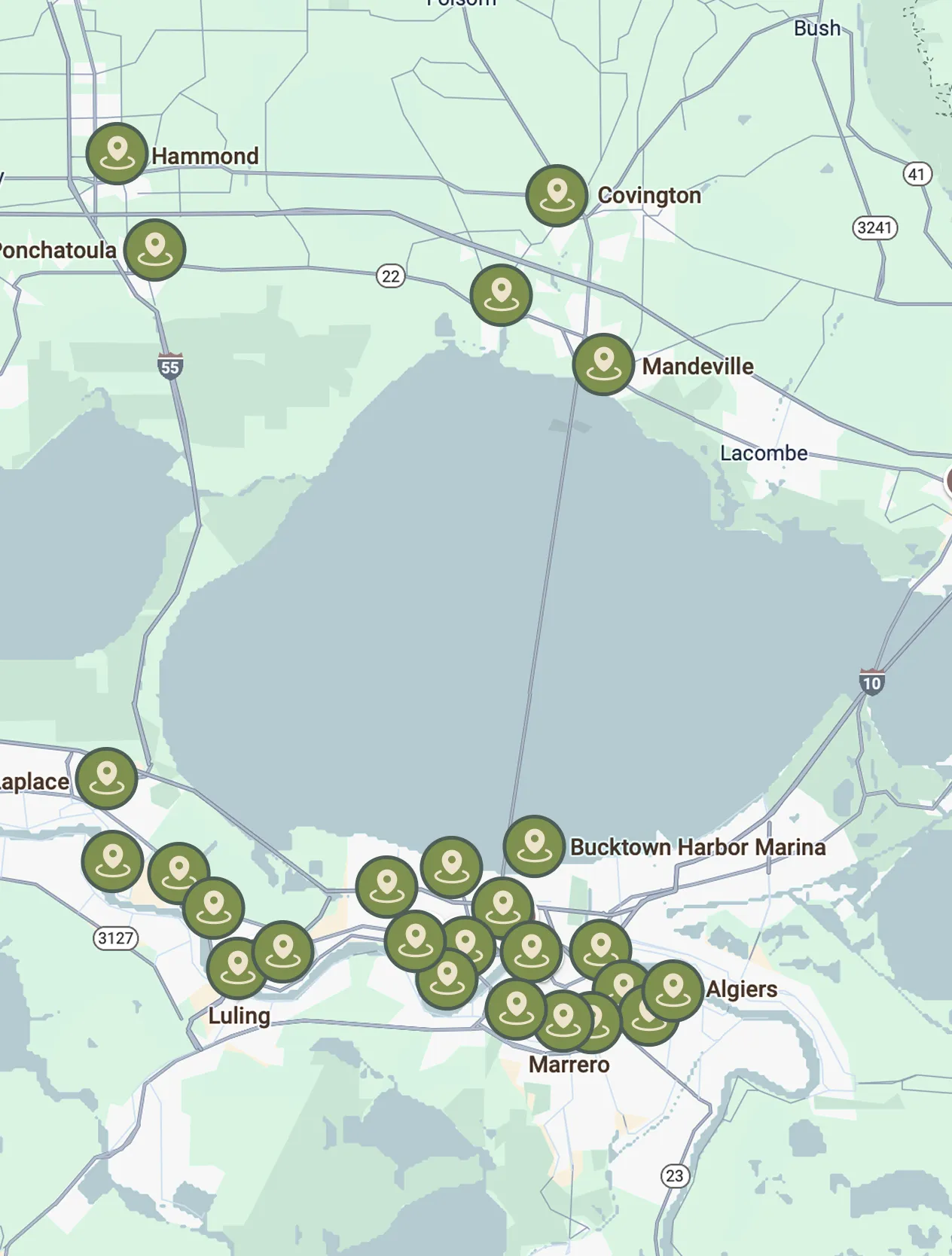
Our service areas are designed to meet the diverse needs of our clients. We focus on providing exceptional service and ensuring customer satisfaction in every location we operate.