Air Quality Testing in Destrehan, LA
.webp)
Cypress Cooling provides air quality testing in Destrehan, LA, offering comprehensive on site assessments for particles, mold spores, VOCs, carbon monoxide, and humidity. We explain how samples are collected and how results are interpreted against outdoor baselines and health guidelines, ensuring findings inform prioritized remediation efforts. Cypress Cooling also outlines common indoor pollutant sources in local homes, practical strategies ranging from filtration and dehumidification to ventilation improvements, and what customers can expect in terms of turnaround time, deliverables, and next steps toward achieving safer, healthier indoor air.
Air Quality Testing in Destrehan, LA
Indoor air quality affects comfort, health, and property value. In Destrehan, LA, where high humidity, heavy rains, and local seasonal allergens increase the risk of mold and elevated particle counts, professional air quality testing gives homeowners clear, actionable data. This page explains the tests available—particle counts, mold spore sampling, VOC testing, carbon monoxide and humidity measurements—how on-site sampling works, how results are interpreted, common pollutant sources in Destrehan homes, and practical remediation steps to improve indoor air.
Why air quality testing matters in Destrehan, LA
Destrehan’s humid subtropical climate and proximity to the Mississippi River create conditions favorable to mold growth and persistent high indoor humidity. After storms or minor flooding, hidden moisture in wall cavities, crawlspaces, and attics can lead to mold that may not be visible but will affect air quality. Additionally, regional seasonal pollen and occasional industrial emissions in nearby river parishes can contribute to indoor particulate and VOC loads. Testing identifies what is present, where it is concentrated, and what to prioritize for remediation.
Common tests offered
- Particle counts (PM2.5 and PM10)
- Real-time measurement of airborne particulate matter. High particle counts correlate with respiratory irritation and reduced indoor air quality.
- Mold spore air sampling
- Air impaction sampling and/or spore trap kits capture airborne fungal spores for laboratory identification and quantification.
- Surface or tape sampling for mold
- Swabs or tape lifts of visible growth confirm species and guide remediation scope.
- Volatile organic compound (VOC) testing
- VOCs from paints, cleaning products, building materials, and off-gassing are measured with handheld detectors and can be confirmed with laboratory analysis.
- Carbon monoxide (CO) measurements
- Immediate on-site readings with electrochemical sensors to detect dangerous CO levels from fuel-burning appliances.
- Temperature and relative humidity logging
- Data loggers record conditions over time to identify patterns that promote mold or dust mite proliferation.
- Optional expanded testing
- Lead dust, asbestos screening (as needed for older homes), or formaldehyde testing when suspected.
On-site sampling process and tools
The goal is to collect representative samples that reflect normal living conditions. Typical on-site workflow:
- Initial assessment
- Walk-through to note visible moisture, ventilation, HVAC status, recent water events, and occupant concerns.
- Placement of instruments
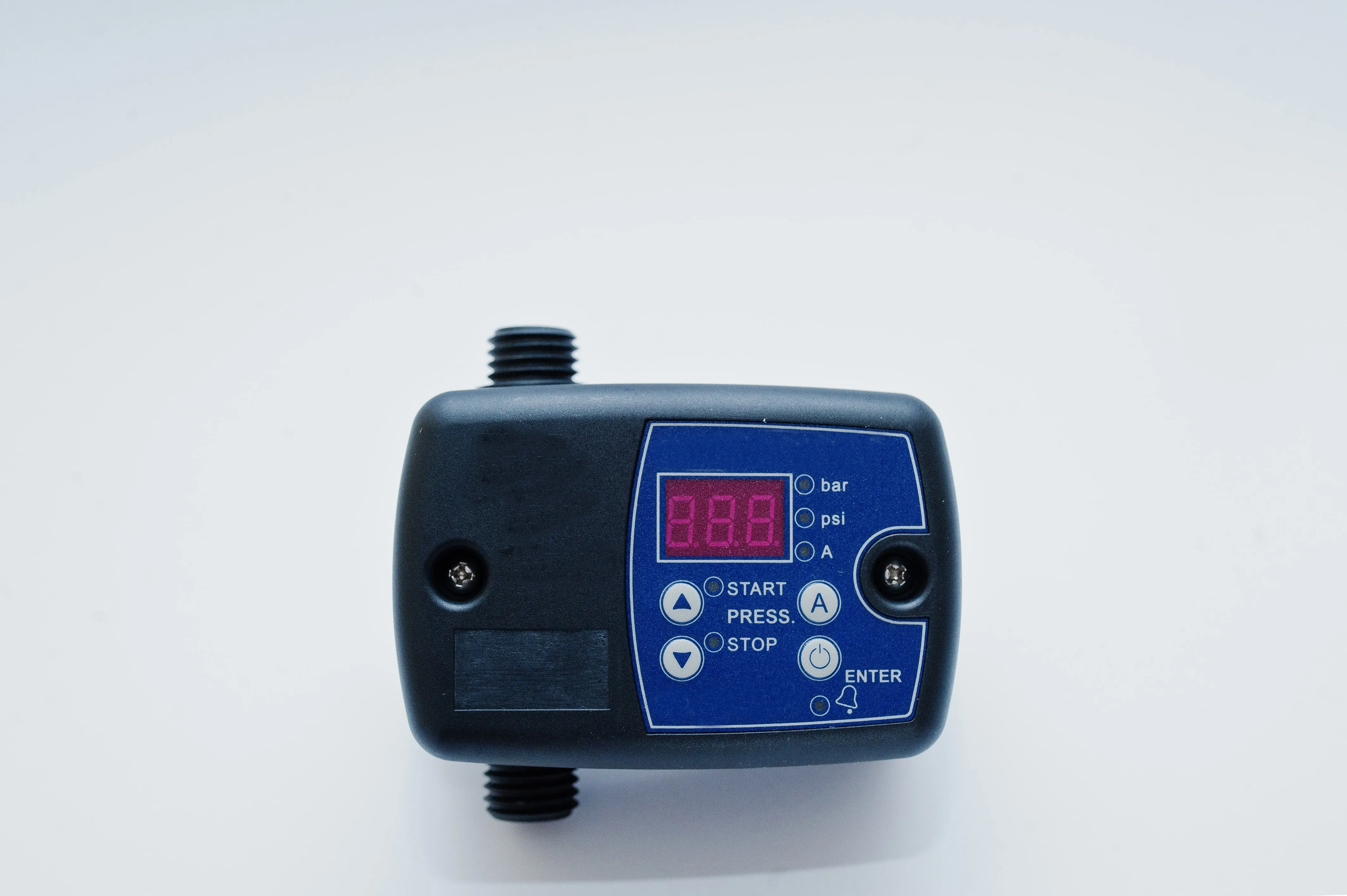
- Particle counters for PM2.5/PM10 run in main living areas. Data loggers record temperature and humidity over the assessment period.
- Air sampling for mold
- Spore trap samplers draw a measured volume of air through a collection medium in key rooms, near suspected problem areas, and outdoors for comparison.
- VOC and CO testing
- PID (photoionization detector) or similar tools screen for VOCs and a calibrated CO meter checks combustion appliance zones.
- Surface samples
- Swabs or tape lifts are taken where visible growth or staining appears.
- Sample handling
- Collected media are sealed and sent to accredited labs for analysis when required.
Tools commonly used:
- Portable particle counters
- Spore trap samplers and calibrated pumps
- PID VOC detectors and sorbent tubes for lab confirmation
- Electrochemical CO monitors
- Temperature and humidity data loggers
- Surface swabs and tape lift kits
Technicians aim to minimize disturbance and sample under normal occupancy conditions to produce the most representative results.
How results are interpreted
Results combine quantitative measures and context. Interpretation steps:
- Comparison to outdoor baseline
- Outdoor samples help determine whether indoor concentrations reflect outdoor infiltration or internal sources.
- Benchmarks and guidelines
- Particulate and VOC levels are compared against public health guidelines and industry-recommended thresholds to assess concern levels.
- Mold analysis
- Lab reports identify spore types and concentrations. High indoor counts of certain species or indoor-outdoor imbalances indicate active indoor growth.
- Pattern analysis
- Humidity logs and spatial distribution guide identification of moisture sources (roof leaks, plumbing, poor ventilation, flood-affected areas).
- Recommended prioritization
- Findings are ranked by health risk and feasibility of remediation so homeowners know what to address first.
Reports typically include plain-language summaries, data tables, lab confirmations, and photographs taken during the inspection to support findings.
Common sources of indoor pollutants in Destrehan homes
- High indoor humidity and poor ventilation promoting mold and dust mites
- Water intrusion after storms, heavy rain, or minor flooding
- Poorly maintained HVAC systems and dirty filters or ducts
- Combustion appliances with incomplete venting producing CO
- Off-gassing from new building materials, paints, furniture, and household products
- Outdoor pollen and particulate infiltration during pollen season
- Residual pesticides or chemicals in older properties or near agricultural areas
Understanding local patterns—especially seasonal humidity spikes and storm impacts—helps prioritize testing and tailored fixes.
Recommended remediation and mitigation strategies
Recommendations depend on specific findings but commonly include:
- Filtration upgrades
- Install or upgrade to high-efficiency filters (HEPA where compatible) in HVAC systems or use portable HEPA units in problem rooms to reduce particulates and spores.
- Source control
- Remove or replace identified pollutant sources: old carpeting with mold, off-gassing materials, or faulty appliances.
- Dehumidification
- Use whole-house or targeted dehumidifiers to maintain relative humidity between 30 and 50 percent to inhibit mold and dust mites.
- Mold remediation
- Professional remediation for documented mold growth, including containment, removal of affected materials, drying, and repairs to prevent recurrence.
- Ventilation improvements
- Increase fresh air exchange through mechanical ventilation or targeted exhaust fans in kitchens and bathrooms.
- HVAC cleaning and maintenance
- Inspect and clean ductwork, coils, and drain pans; ensure condensate lines are clear and insulation is intact.
- Activated carbon filtration
- For VOCs, activated carbon media can reduce odors and gas-phase contaminants.
- Appliance inspection and repair
- Ensure gas appliances are properly vented and functioning to prevent CO risks.
Each strategy is chosen based on lab-backed findings and practical considerations for the home.
Report turnaround and what to expect
- On-site summary
- Technicians typically provide an immediate oral summary of obvious hazards (such as elevated CO).
- Laboratory-backed report timing
- Mold spore or VOC lab confirmations generally arrive within 3 to 7 business days, depending on the lab and test complexity.
- Final deliverable
- The full report includes lab results, interpretation, photographs, prioritized recommendations, and maintenance guidance to prevent recurrence.
Next steps for improving your home’s air
After testing and receiving the report, common next steps include scheduling targeted remediation (mold removal, HVAC servicing, duct cleaning), selecting the appropriate filtration and dehumidification solutions for your home size and layout, and implementing source control measures. Regular seasonal checks—especially after humid months or storm events—help maintain safe indoor air in Destrehan’s climate. A clear testing report provides the evidence base to choose the right interventions and track improvements over time.
Accurate air quality testing translates uncertainty into actionable data, especially in Destrehan where humidity and storm exposure increase indoor air risks. Proper testing, interpretation, and targeted remediation reduce health risks, improve comfort, and protect the value of your home.
OUR CLIENTS HAVE TO SAY ABOUT US



Service areas
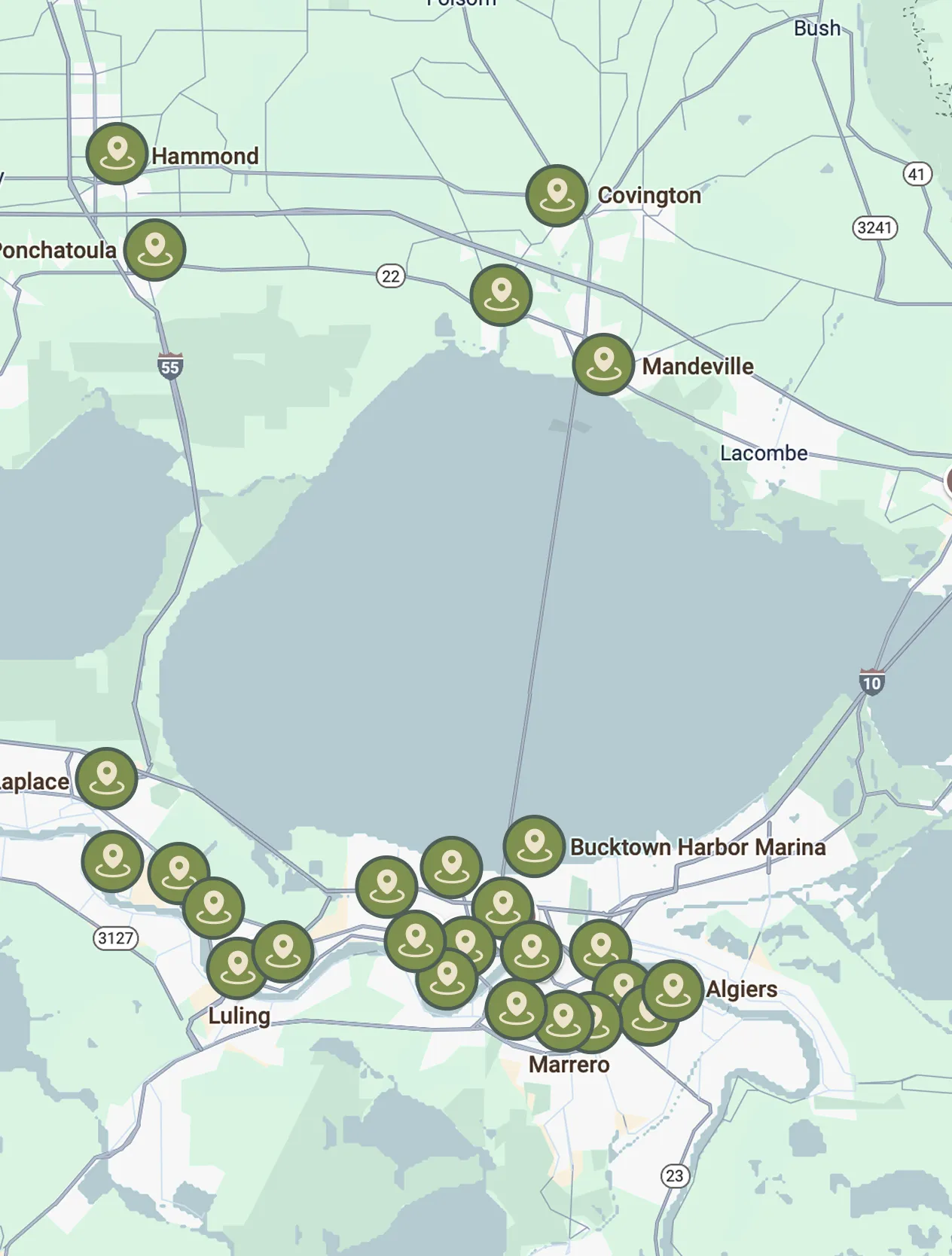
Our service areas are designed to meet the diverse needs of our clients. We focus on providing exceptional service and ensuring customer satisfaction in every location we operate.