Air Quality Testing in Carrollton (Harahan Junction), LA
.webp)
Cypress Cooling provides air quality testing in Carrollton (Harahan Junction), LA, offering homeowners a comprehensive IAQ assessment to identify mold, humidity, VOCs, and pollutant sources. Our detailed report covers real time PM2.5 and VOC results, moisture indicators, and ventilation effectiveness, with practical recommendations prioritized by their impact on health and cost effectiveness. We start with on site walkthroughs and targeted sampling, followed by thorough laboratory analyses, leading to a clear action plan. Cypress Cooling can also provide re testing and remediation oversight as needed. Our aim is to protect your health, preserve building materials, and improve comfort and energy efficiency in your home.
Air Quality Testing in Carrollton (Harahan Junction), LA
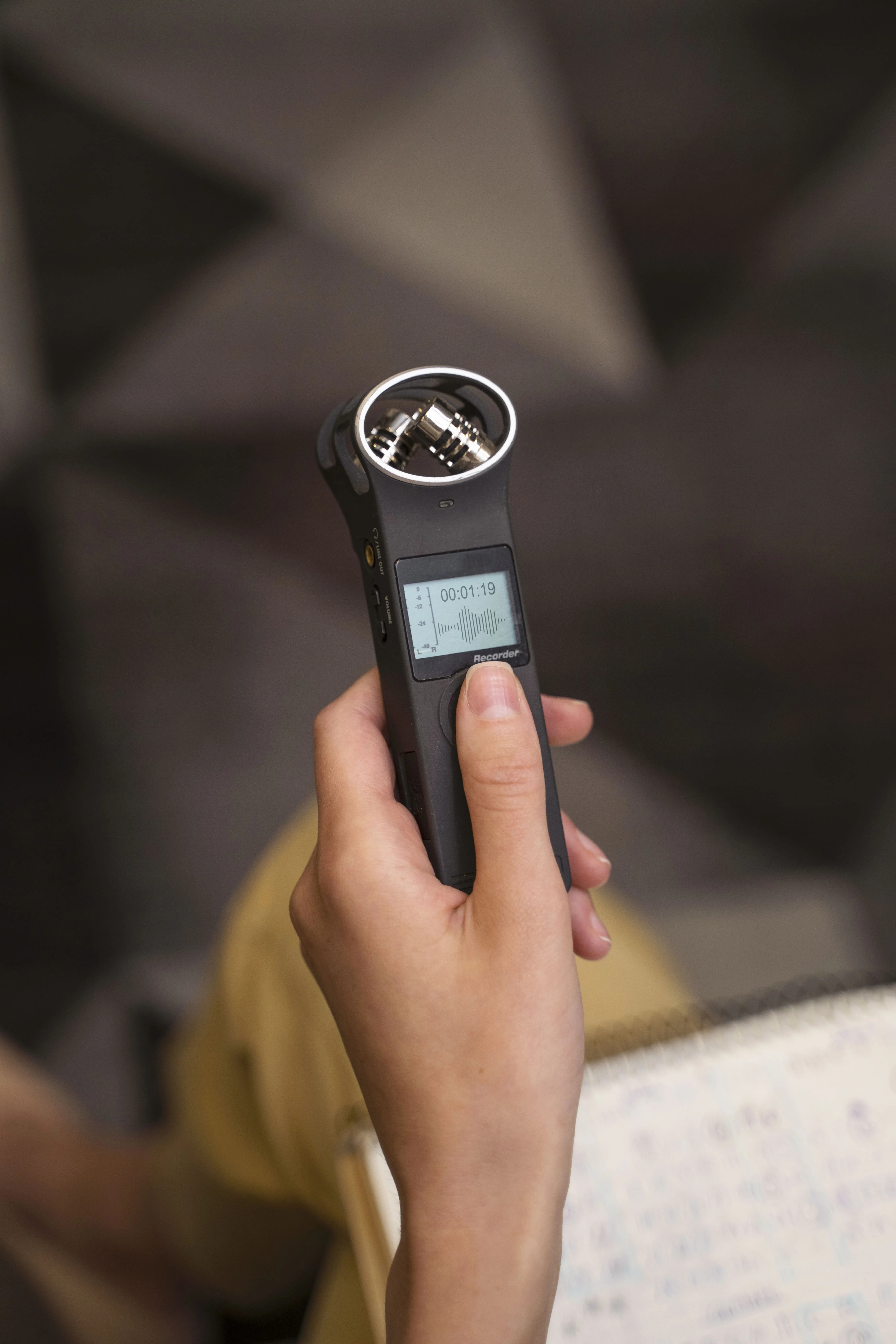
Indoor air quality testing in Carrollton (Harahan Junction), LA helps homeowners identify invisible risks that directly affect health, comfort, and property value. With the neighborhood’s older housing stock, mature tree canopy, high humidity, and seasonal flooding risk, common indoor pollutants such as mold, elevated humidity, and pollen infiltration are frequent concerns. This page explains what a comprehensive IAQ assessment covers, how results are diagnosed and interpreted, recommended solutions, reporting and follow-up options, typical timelines, and what homeowners can expect when arranging an assessment.
Why get indoor air quality testing in Carrollton (Harahan Junction), LA
- High humidity and warm temperatures in the Gulf South encourage mold growth and dust mite activity inside homes.
- Proximity to major roadways and local industry can increase fine particulate matter (PM2.5) penetration into houses.
- Older ventilation systems and historic home construction often lack balanced mechanical ventilation, allowing VOC buildup and stale air.
- Periodic flooding and heavy rains increase the risk of hidden moisture, microbial growth, and musty odors.
Testing gives you objective data to prioritize fixes that improve health (asthma, allergies, and other respiratory issues), protect building materials, and optimize comfort and energy efficiency.
Common tests performed
A thorough IAQ assessment in Carrollton (Harahan Junction) typically includes the following measurements and sample types:
- Particulate matter (PM2.5 and PM10) monitoring — real-time readings to show fine particle levels indoors and how they compare to outdoor air.
- Volatile organic compounds (VOCs) screening — can be done with real-time sensors and formal lab analysis for specific compounds (formaldehyde, benzene, etc.).
- Mold and bioaerosol sampling — air spore traps and, when needed, surface tape or swab samples sent to a laboratory for species and concentration analysis.
- Humidity and temperature logging — continuous or spot measurements to identify conditions that support mold and dust mite populations.
- CO2 and ventilation assessment — CO2 levels indicate occupancy ventilation effectiveness and whether fresh air exchange is adequate.
- Targeted surface and HVAC sampling — dust analysis, HVAC coil swabs, and duct surveys to identify contamination sources inside systems.
Diagnostic process: what happens on-site
- Pre-inspection intake: gather history about allergies, odors, recent water events, HVAC age, and occupant concerns.
- Walk-through survey: visual inspection of obvious issues—visible mold, water stains, attic and crawlspace conditions, and HVAC equipment.
- Instrument deployment: place PM monitors, VOC sensors, and humidity/CO2 loggers in representative living spaces for a set monitoring period (hours to 24+ hours depending on the scope).
- Targeted sampling: collect air spore samples, surface swabs, and dust or tape samples if mold or contaminants are suspected. Collect HVAC samples if system contamination is suspected.
- Outdoor baseline: measure outdoor PM and spore counts to differentiate indoor sources from outdoor infiltration.
- Lab analysis: samples that require laboratory work (mold spore speciation or compound-specific VOC testing) are shipped to accredited labs for quantification and identification.
How results are interpreted
Results are translated into practical meaning, not just numbers. Interpretation includes:
- Comparison to established guidelines (EPA, WHO, and ASHRAE recommendations) and common health-based thresholds for PM2.5, CO2, and humidity.
- Contextual comparison against outdoor baselines to determine whether indoor levels are driven by indoor sources (combustion, cleaning products, off-gassing, mold) or outdoor pollution infiltration.
- Identification of probable sources based on spatial patterns (for example, elevated VOCs near a recently renovated room or high spore counts near a basement).
- Health implications explained in plain language, highlighting sensitive groups such as children, older adults, and people with asthma or allergies.
Personalized recommendations and practical solutions
Following diagnosis, recommendations focus on source control, remediation, and sustained improvement. Typical solutions include:
- Filtration: install portable HEPA air cleaners or upgrade central HVAC filters to MERV 13 or higher where compatible; recommend HVAC filter maintenance schedules.
- Ventilation: balance controlled fresh air intake using energy recovery ventilators (ERVs) or dedicated outdoor air systems, and advise on intermittent exhaust strategies for kitchens and bathrooms.
- Dehumidification: whole-house or targeted dehumidifiers to maintain indoor relative humidity between 40 and 50 percent, reducing mold and dust mite risks.
- Moisture and remediation: targeted mold remediation for contaminated building materials, drying and repairs after water events, crawlspace encapsulation, and roof or plumbing repairs to eliminate leaks.
- Source elimination: identify and reduce VOC sources—safe product substitutions, improved storage, and proper curing time after renovations.
- HVAC and duct work: coil cleaning, condensate management, duct sealing, and repairs when HVAC systems are a contamination pathway.
Recommendations are prioritized by health risk, cost-effectiveness, and expected impact on indoor conditions.
Reporting, follow-up, and timelines
- Delivery of findings: you receive a clear, written report that summarizes measurements, lab results, visual observations, and a prioritized action plan. Reports typically include photos, time-series graphs (PM, humidity, CO2), and an executive summary with plain-language conclusions.
- Follow-up testing: re-testing after mitigation verifies effectiveness; typical retest intervals are 2 to 8 weeks after remediation or equipment changes, depending on the issue.
- Remediation oversight: services can include project scopes for remediation, oversight during repairs, and clearance testing to confirm a safe environment after work is completed.
- Typical timelines: on-site assessments often take 2 to 6 hours for visual inspection and sampling setup. Short-term monitoring can be completed the same day, while 24-hour monitoring provides more representative data. Lab analyses for mold or VOCs commonly return results in 3 to 7 business days; comprehensive reports are usually provided within one week of receiving all lab results. Remediation timelines vary by scope—from a single-day targeted cleanup to multi-week repairs for structural moisture problems.
What homeowners can expect when arranging an assessment
The booking process is straightforward and focused on gathering the information needed for an effective assessment: provide property age and type, list specific concerns (odors, recent water intrusion, health symptoms), note HVAC type, and indicate any recent renovations or pest treatments. On the scheduled visit, expect a respectful, thorough walk-through, non-invasive sampling, and clear explanations about the tests being performed. After testing, the written report and prioritized recommendations will guide next steps, including options for follow-up verification testing.
Long-term benefits and maintenance advice
Regular IAQ testing in humid, older neighborhoods like Carrollton (Harahan Junction) prevents small problems from becoming costly repairs and protects household health. Ongoing maintenance steps to sustain good indoor air quality include:
- Maintain indoor relative humidity between 40 and 50 percent.
- Replace HVAC filters on a regular schedule and clean condensate pans and coils annually.
- Use kitchen and bathroom exhaust fans during and after high-moisture activities.
- Limit indoor sources of VOCs by choosing low-VOC materials and storing chemicals outside living spaces.
- Schedule periodic inspections after flooding or major weather events common to the region.
A targeted, data-driven IAQ assessment provides the clarity needed to prioritize improvements, ensure remedies work, and maintain a healthier home environment suited to the local climate and housing types in Carrollton (Harahan Junction), LA.
OUR CLIENTS HAVE TO SAY ABOUT US



Service areas
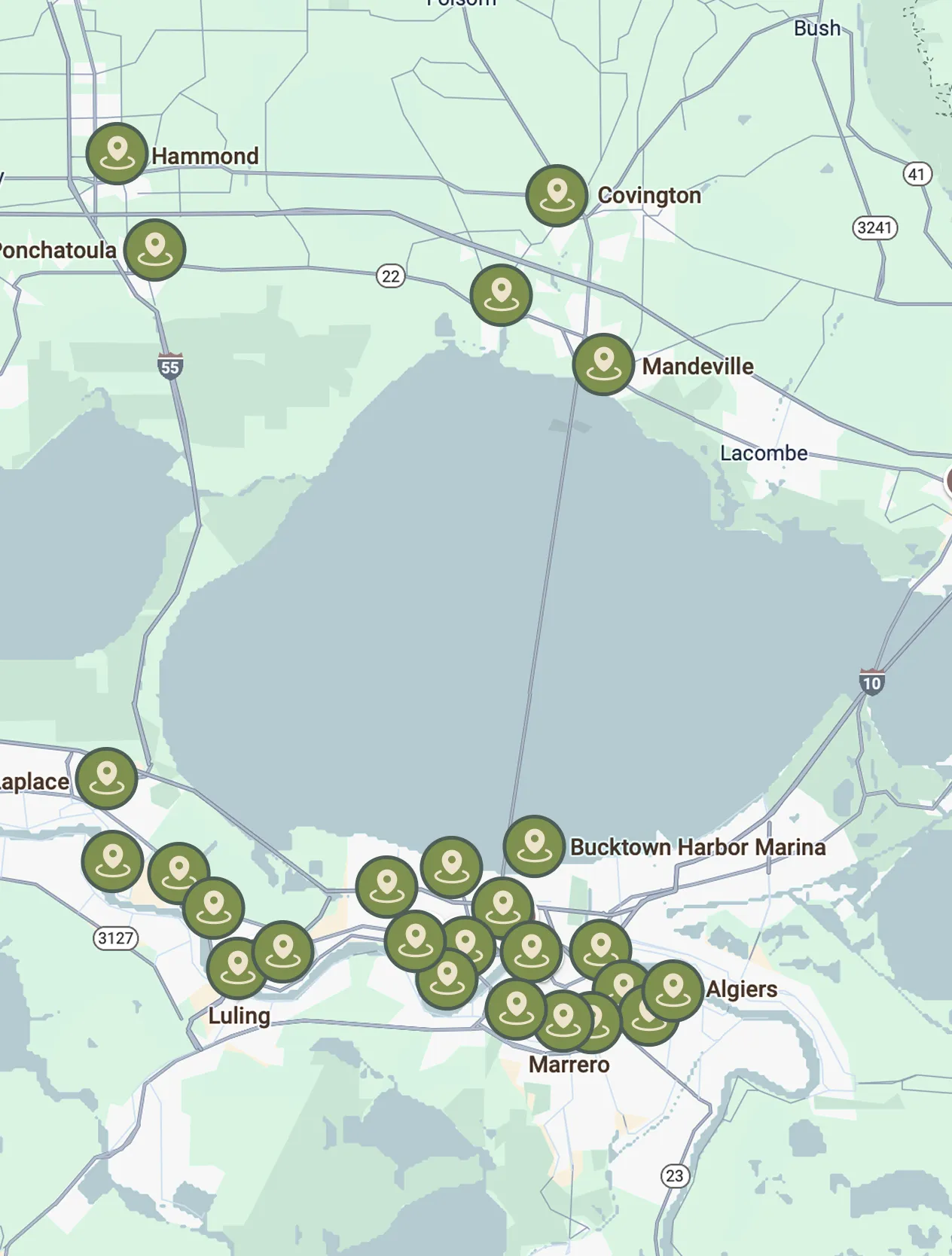
Our service areas are designed to meet the diverse needs of our clients. We focus on providing exceptional service and ensuring customer satisfaction in every location we operate.