Air Quality Testing in Bucktown, LA
.webp)
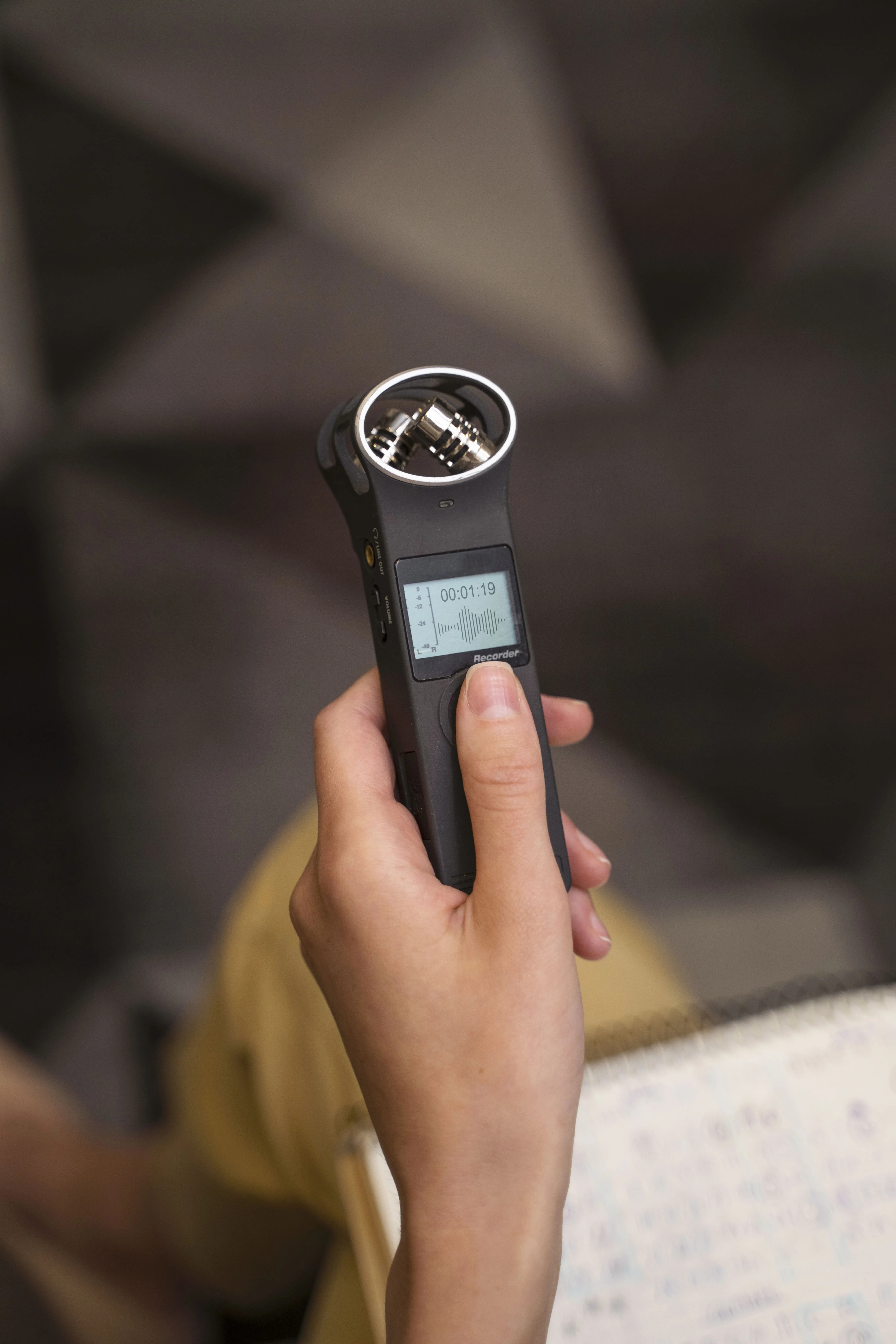
In Bucktown, LA, Cypress Cooling offers a comprehensive air quality testing service, providing thorough indoor air assessments to pinpoint moisture related risks, mold sources, and occupational irritants. Our process includes initial walk throughs to establish a baseline, followed by targeted sampling for PM2.5/PM10, VOCs, mold, CO2, humidity, and temperature. These samples undergo rigorous lab analysis, culminating in a clear, actionable report. We then focus on remediation and ventilation strategies, emphasizing source control, improved filtration, moisture management, and precise humidification or dehumidification. At Cypress Cooling, we believe in data driven decisions, long term maintenance, and measurable improvements in comfort, health, and energy performance.
Air Quality Testing in Bucktown, LA
Indoor air quality testing in Bucktown, LA helps homeowners understand what they are breathing and make targeted fixes that improve health, comfort, and energy performance. In Bucktown, where high humidity, older building stock, and seasonal storms increase the risk of moisture-related problems, professional testing identifies pollutant sources, quantifies exposure levels, and guides precise remediation or system upgrades tailored to each home.
Why testing matters in Bucktown homes
Bucktown’s warm, humid climate and periodic heavy rain events create ideal conditions for mold growth and elevated indoor humidity. Many homes in the neighborhood are older and may have aging HVAC systems, gaps in building envelope sealing, and limited mechanical ventilation. Common consequences without testing include persistent odors, allergy or asthma triggers, unexplained respiratory symptoms, poor sleep linked to elevated CO2, and inefficient HVAC performance. Professional air quality testing turns uncertainty into clear, actionable data.
Common indoor air quality issues in Bucktown
- Elevated humidity and recurring mold growth in basements, crawl spaces, and bathrooms
- High particulate levels from cooking, tobacco, or nearby traffic and construction (PM2.5 and PM10)
- VOCs from recent renovations, paints, new furniture, cleaning products, or stored chemicals
- Poor ventilation indicated by elevated CO2 during occupancy, leading to stuffy air and fatigue
- Dust and allergens trapped by undersized or poorly maintained filtration systems
Types of tests offered
- Particulate monitoring (PM2.5 and PM10) to quantify fine and coarse particles linked to respiratory problems
- VOC screening with handheld and chamber-based instruments to detect formaldehyde and other organic compounds
- Mold assessment including air sampling (spore traps) and surface swabs for species and concentration analysis
- Humidity and temperature logging to identify moisture cycles that promote mold and dust mite growth
- CO2 monitoring to assess ventilation adequacy during typical occupancy patterns
- Targeted tests on request: lead dust screening, asbestos disturbance checks, or microbial DNA testing when deeper analysis is needed
The testing process and tools used
- Pre-assessment and intake: We review the home, recent activity (renovations, water events), and locations of occupant complaints to plan targeted sampling.
- Baseline walk-through: Visual inspection of the envelope, HVAC, vents, and moisture-prone areas to identify obvious sources.
- Instrument deployment:
- Particle counters measure PM2.5 and PM10 in real time and over sampling periods.
- VOC meters and passive samplers capture airborne organic compounds.
- Spore trap collectors and surface swabs gather samples for lab analysis of mold types and concentrations.
- Data loggers record temperature and relative humidity over 24 to 72 hours to capture daily cycles.
- CO2 monitors record occupancy-linked ventilation performance.
- Optional HVAC inspection: Filter condition, duct leakage, and ventilation rates are evaluated using pressure testing and visual inspection tools.
- Sample analysis: Biological and chemical samples are analyzed by certified laboratories. On-site instrument data are reviewed for trends.
- Reporting: Results are compiled into an easy-to-read report with interpreted values, comparisons to accepted benchmarks, and recommended next steps specific to the Bucktown home.
How results are reported and interpreted
Reports present numeric findings alongside plain-language interpretation. Typical components:
- A summary of what exceeded recommended levels and the likely sources.
- Graphs showing temporal trends (for humidity, CO2, and particulates) to identify when problems occur.
- Laboratory breakdowns for mold species and VOC types with concentration levels.
- Benchmarks based on recognized guidelines for indoor air quality and health risk, explained in context for homeowners.
- Prioritized recommendations that separate quick, low-cost fixes from longer-term system improvements. The goal is to make remediation decisions clear and evidence-based.
Recommended remediation and system upgrades
Remediation plans target the root causes identified during testing. Common recommendations for Bucktown homes include:
- Source control: Remove or isolate pollutant sources such as water-damaged materials, unvented combustion appliances, or chemical storage.
- Improved filtration: Upgrade to filters with appropriate MERV rating or add HEPA filtration in problem areas to capture fine particulates.
- Moisture control: Install or adjust dehumidification systems, improve drainage and flashing, and remediate mold with containment and professional cleanup when necessary.
- Ventilation upgrades: Add or balance mechanical ventilation, consider ERV/HRV systems to improve fresh air delivery while controlling humidity.
- UV germicidal lights: Install in HVAC systems to reduce microbial growth on coils and drain pans in humid environments.
- Duct sealing and insulation: Reduce pollutant infiltration and improve distribution efficiency.
- Targeted humidification or dehumidification: Maintain relative humidity between 40 and 50 percent where appropriate to limit mold and dust mite proliferation.
Each recommendation includes an explanation of expected outcomes, timeframe for improvement, and maintenance considerations so homeowners can weigh options.
Typical outcomes and case examples
- Older Bucktown shotgun house with chronic musty odor: Testing found high airborne mold spores and elevated relative humidity. After targeted removal of water-damaged drywall, installation of a dehumidifier and HVAC coil cleaning, follow-up testing showed spore counts reduced to background levels and humidity stabilized.
- Renovated condo with headaches and eye irritation: VOC screening revealed elevated formaldehyde from new cabinetry. Increasing ventilation, source isolation, and adding an activated carbon air cleaner reduced VOC concentrations and minimized occupant symptoms within weeks.
- Rowhouse with poor sleep quality: Continuous CO2 monitoring identified inadequate overnight ventilation. Balanced mechanical ventilation and improved airflow resolved the stuffy conditions and lowered CO2 to acceptable ranges.
These examples illustrate that testing plus targeted interventions produce measurable improvements rather than temporary fixes.
Next steps and maintenance tips for lasting results
- Monitor humidity seasonally and use dehumidification during hot, humid months common in Bucktown.
- Replace or upgrade HVAC filters on a regular schedule and consider a HEPA or high-MERV option for allergy-prone households.
- Keep indoor sources of VOCs to a minimum during and after renovations; allow new materials to off-gas in a ventilated space when possible.
- Maintain good drainage and inspect basements and crawl spaces after storms to prevent hidden moisture problems.
- Re-test after major remediation or HVAC upgrades to verify that interventions achieved the intended results and to guide any follow-up actions.
Conclusion
Air quality testing in Bucktown, LA provides clear, data-driven insight into indoor pollutant sources and building performance. For homes affected by humidity, mold, renovation off-gassing, or ventilation shortfalls, a professional assessment delivers prioritized solutions—from source control to filtration and ventilation upgrades—that lead to healthier air and more comfortable living spaces. Regular monitoring and targeted maintenance keep improvements in place long-term, protecting both occupant health and home value.
OUR CLIENTS HAVE TO SAY ABOUT US



Service areas
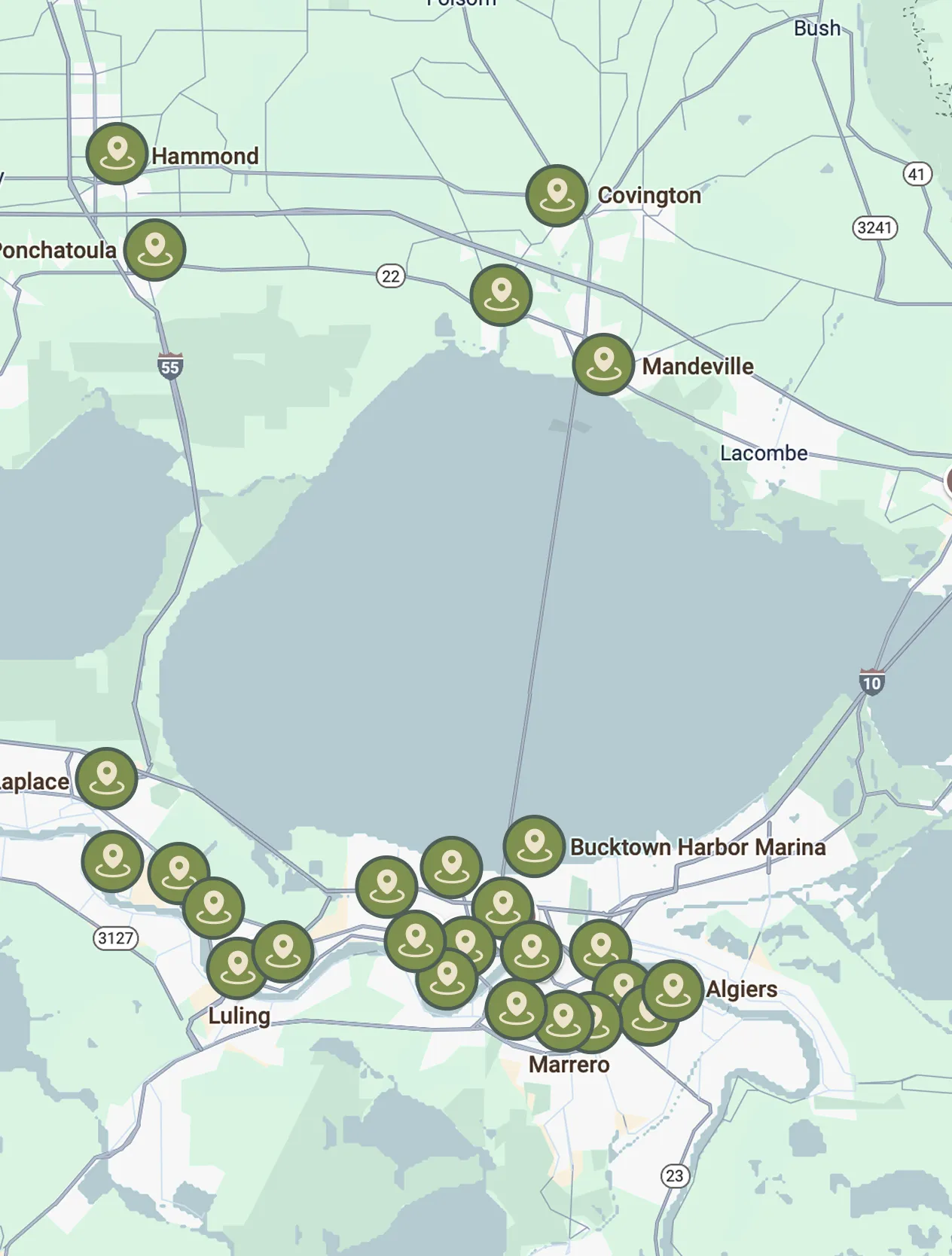
Our service areas are designed to meet the diverse needs of our clients. We focus on providing exceptional service and ensuring customer satisfaction in every location we operate.