
Air Quality Testing in Algiers, LA
.webp)
Cypress Cooling offers air quality testing in Algiers, LA, providing a comprehensive, on site assessment of moisture, mold risk, VOCs, CO/CO2, and particulate matter. Our tailored test plans combine visual inspections, targeted sampling, and lab analysis to translate results into clear, actionable remediation steps. We explain findings, benchmarks, and sources, then offer prioritized recommendations—from filtration upgrades and humidity control to duct cleaning and targeted mold remediation. Regular testing with Cypress Cooling supports ongoing home care, health, comfort, and property value. Together, these services empower informed decisions and lasting comfort.
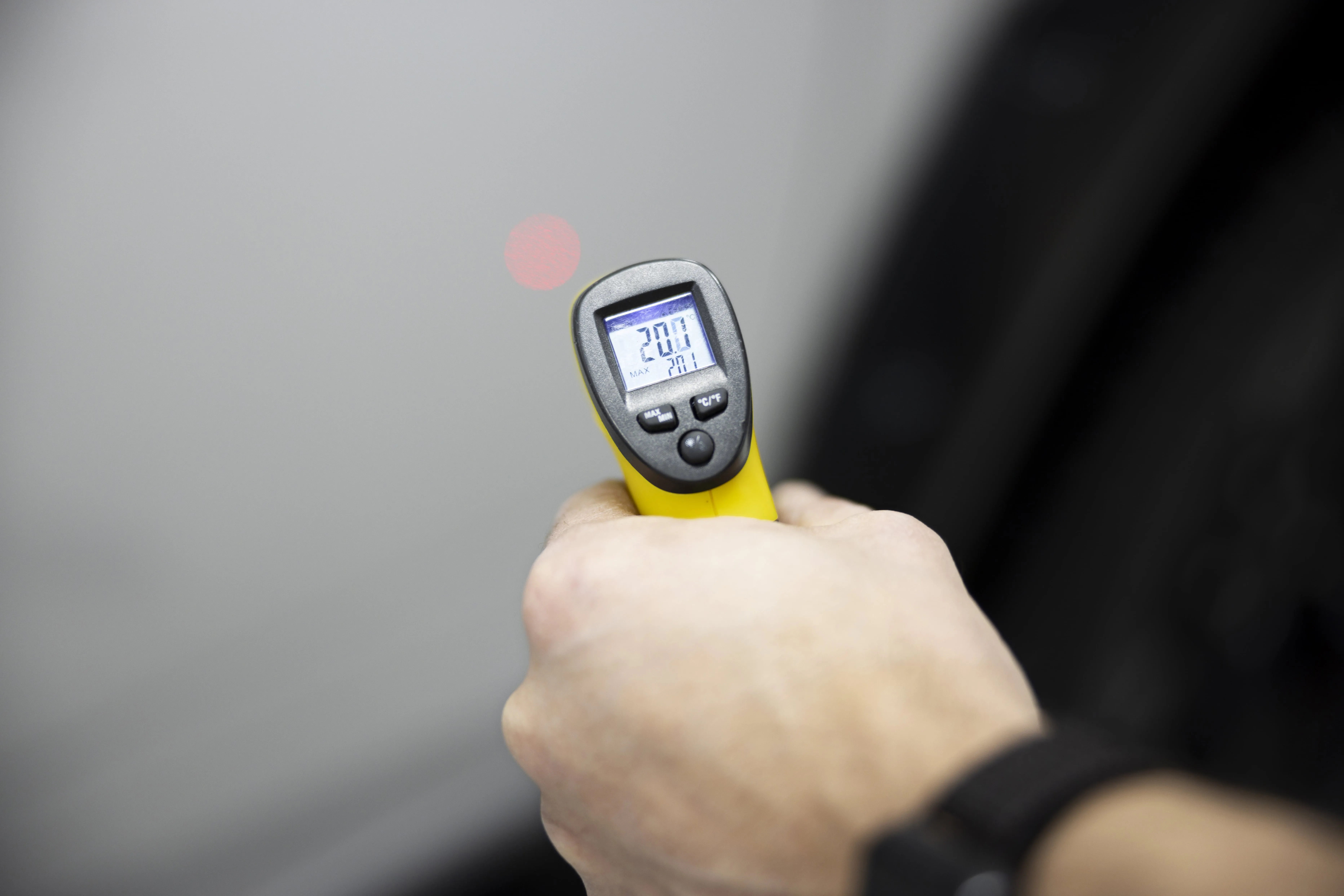
Air Quality Testing in Algiers, LA
Indoor air quality affects comfort, health, and the longevity of your home. In Algiers, LA, where Gulf Coast humidity, older home construction, and proximity to the Mississippi River combine to increase moisture and indoor pollutant risk, professional air quality testing identifies hidden problems so you can make targeted, effective repairs. This page explains the tests available, the on-site assessment and sampling process, how lab results are interpreted, typical findings in local homes, and clear remediation options that reduce health risks and protect property value.
Why test indoor air in Algiers homes
Algiers homes often face unique stressors: high year-round humidity, seasonal storms and flooding, older building materials, and periods of renovation or water intrusion. These conditions raise the chance of:
- Mold and mildew growth in basements, crawlspaces, attics, and wall cavities.
- Elevated humidity that fosters allergens and dust mite proliferation.
- VOCs released from new finishes, paint, or stored chemicals in warm weather.
- Particulate matter from cooking, construction, and local traffic or industrial sources.
- Poor ventilation that traps contaminants indoors.
Testing is the only reliable way to quantify these risks and prioritize remediation measures that improve health and comfort.
Common indoor air quality issues in Algiers, LA
- Visible or hidden mold due to past flooding or chronic leaks
- High indoor humidity, often above 60 percent during summer months
- Elevated PM2.5 from indoor cooking, candles, or nearby smoke
- Increased VOC concentrations after renovation or from household products
- CO or CO2 buildup from inefficient combustion appliances or poor ventilation
- Ductwork contamination spreading particulates and microbial material
Comprehensive tests offered
We recommend a tailored battery of tests depending on your home and concerns. Typical offerings include:
- Particulate matter testing (PM2.5 and PM10) to measure fine particles that affect respiratory health.
- Mold and mildew testing via air sampling and surface swabs to identify spore types and concentrations.
- VOC testing using passive samplers or canisters to detect formaldehyde, benzene, toluene, and other organic compounds.
- Carbon monoxide (CO) and carbon dioxide (CO2) monitoring to assess combustion safety and ventilation efficiency.
- Temperature and relative humidity logging to identify conditions that promote mold and dust mites.
Each plan is adjusted for the age of the home, presence of visible damage, recent renovations, or known health complaints.
On-site assessment and sample collection
A thorough evaluation combines a visual inspection with targeted sampling:
- Walkthrough: We inspect attics, crawlspaces, HVAC systems, bathrooms, kitchens, and finished living areas for moisture intrusion, visible mold, and sources of VOCs.
- HVAC check: Filters, ductwork, and air handler condition are assessed. Supply and return locations are mapped for representative sampling.
- Targeted sampling: Air samples are collected in bedrooms, living areas, and problem spots. Surface swabs are taken from visible growths. VOC samplers and CO/CO2 monitors are placed for short-term or time-weighted sampling.
- Environmental logging: Temperature and relative humidity monitors record conditions over 24 to 72 hours when needed to capture daily variability.
Samples are handled to chain-of-custody standards and sent to accredited laboratories for analysis. The goal is to get a clear, representative snapshot of indoor air quality across common living spaces.
Lab analysis and interpreting results
Laboratory reports translate sample data into actionable findings:
- Particulate concentrations are compared to health-based guidance and outdoor background levels to determine whether indoor sources are present.
- Mold spore counts and species identification help differentiate outdoor seasonal spikes from indoor amplification caused by moisture problems.
- VOC results list detected compounds and concentrations, with context about common sources and potential health effects.
- CO and CO2 data reveal immediate hazards or ventilation inadequacy.
Reports include plain-language interpretation: what levels mean for occupant health, whether results exceed recommended benchmarks, and the likely sources. This interpretation helps prioritize remediation steps and verify the impact of corrective actions.
Clear remediation recommendations
Recommendations depend on test results but commonly include:
- Filtration upgrades: Install HEPA-grade portable units in problem rooms or higher-MERV filters in HVAC systems to reduce particulates and some bioaerosols.
- Source control: Remove or seal VOC-emitting materials, relocate stored chemicals, and address combustion equipment maintenance for CO concerns.
- Humidity control: Use whole-house or portable dehumidifiers and set humidistats to maintain relative humidity in the 40 to 50 percent range to limit mold and dust mites.
- UV germicidal lights: In-duct UV-C systems reduce microbial growth on coils and in the HVAC airstream when paired with filtration and maintenance.
- Duct cleaning and HVAC servicing: Clean accessible ductwork and replace filters; address leaks or microbial colonies discovered during inspection.
- Targeted mold remediation: Isolate and remove contaminated materials, dry structural cavities, and apply appropriate treatments to prevent recurrence.
- Ventilation improvements: Add or balance mechanical ventilation to bring in filtered outdoor air and reduce CO2 buildup and stagnant zones.
Each recommendation is ranked by urgency, expected effectiveness, and typical time to improvement so homeowners can make informed decisions.
Typical findings and examples for Algiers homes
- Older raised cottages with limited attic ventilation often show elevated mold spores in bedrooms adjacent to exterior walls due to humidity and insulation gaps.
- Post-renovation interiors frequently register spikes in formaldehyde and other VOCs until new materials off-gas and ventilation is increased.
- Homes near busy streets or local construction can have higher PM2.5 indoors during work hours, especially when windows are open for ventilation in temperate months.
- Properties with past flood exposure commonly reveal recurring moisture and surface microbial growth in crawlspaces, requiring structural drying and remediation.
These patterns reflect regional climate and housing stock, guiding the most cost-effective mitigation strategies.
Testing as part of ongoing home care
Air quality testing provides a baseline and verification tool. When integrated into periodic maintenance or service agreements, testing can:
- Track improvements after remediation or HVAC upgrades.
- Provide seasonal checks to catch humidity- or pollen-driven changes.
- Support insurance or resale documentation by demonstrating corrective actions.
- Help prioritize long-term investments like whole-house filtration or enhanced ventilation.
Regular testing is especially valuable in Algiers after storms, renovations, or when household members experience respiratory symptoms.
Bottom line
Professional air quality testing in Algiers, LA quantifies hidden risks created by humidity, aging construction, flood history, and everyday indoor activities. By combining targeted sampling, accredited lab analysis, and clear, prioritized remediation recommendations, testing converts uncertainty into a practical plan to improve health, comfort, and property resilience.
OUR CLIENTS HAVE TO SAY ABOUT US



Service areas
Our service areas are designed to meet the diverse needs of our clients. We focus on providing exceptional service and ensuring customer satisfaction in every location we operate.

