Air Purification in St. Rose, LA
.webp)
Cypress Cooling provides continuous, whole house air purification for St. Rose homes by integrating directly with your HVAC system. This ensures protection from pollen, mold, odors, and fine particulates. We utilize technologies like True HEPA, electrostatic, UV, and advanced oxidation. We offer various installation options and clear maintenance steps. Our integrated systems minimize hotspots and duct buildup, supporting health and comfort during humid summers and storm seasons. We address common questions about efficiency, odors, ozone, and multi stage protection, helping homeowners choose the right Cypress Cooling system for their climate.
PNG.webp)
Air Purification in St. Rose, LA
Clean indoor air matters in St. Rose, LA. High humidity, seasonal pollen, proximity to riverine flooding, and nearby regional emissions can all raise indoor allergen, mold, and odor levels. Whole-home air purification integrated with your HVAC is the most effective decision-stage solution for homeowners who want continuous protection across every room. This page explains the proven technologies, installation options, maintenance needs, expected health and comfort benefits, and common questions specific to St. Rose homes.
Why whole-home air purification matters in St. Rose
- St. Rose’s warm, humid climate increases airborne mold spores and dust mite activity, which aggravate allergies and asthma.
- Summer pollen peaks and seasonal storms can drive outdoor contaminants indoors through ventilation and open windows.
- Flood and hurricane seasons increase the risk of dampness and post-storm mold growth unless indoor air is properly managed.
- Whole-home systems treat the entire living space from the HVAC return, reducing hotspots of poor air quality and limiting dust buildup in ducts and on surfaces.
Common indoor air quality problems in St. Rose homes
- Persistent musty odors and elevated mold spore counts after humid periods or water intrusion
- Seasonal allergy flare-ups from pollen and grass particles
- Odors and volatile organic compounds (VOCs) from cleaning products, paints, or nearby industrial sources
- Fine particulate matter (PM2.5) from traffic, regional emissions, or wildfire smoke that drifts into the area
- Recirculation of pet dander, dust, and other particulates that reduce comfort and increase cleaning needs
Types of whole-home air purifiers and how they work
Below are the primary technologies used for whole-home systems and the contaminants each targets.
- True HEPA filtration
- Captures 99.97% of particles down to 0.3 microns, including pollen, dust, pet dander, and many mold spores.
- Installed as a dedicated in-duct HEPA module or as an upgraded air handler with a sealed, bypass configuration.
- Best for particle removal; requires proper sealing and sometimes a fan upgrade to overcome pressure drop.
- Electronic filtration / electrostatic precipitators
- Charge and capture particles on collector plates. Effective for fine particles and smoke.
- Collector modules are washable or serviceable, reducing ongoing filter waste.
- Choose models certified for low or no ozone output to protect occupant health.
- UV and photocatalytic systems
- UV lamps paired with a photocatalyst break down biological contaminants and reduce microbial load on coils and filters.
- Helpful for controlling bacteria, viruses, and mold growth within the air handler.
- UV is most effective as part of a multi-stage approach rather than a standalone solution for particulates.
- APCO X-style advanced oxidation and odor control
- Combines multiple steps—activated carbon for VOCs, oxidizing agents or photocatalysts, and sometimes UV—to neutralize odors, VOCs, and some pathogens.
- Strong at odor and VOC reduction where household chemicals or regional emissions are a concern.
- Typically used in tandem with HEPA or high-MERV particle filtration for comprehensive protection.
Installation options and how integration works with existing HVAC
- In-duct whole-home modules: Installed at the return or within the air handler to treat air before distribution to all rooms.
- Dedicated HEPA air handler: When HVAC ductwork or existing fans cannot handle a HEPA’s pressure drop, a separate blowers/HEPA cabinet can be installed inline.
- Hybrid systems: Combine prefilters, HEPA or high-MERV filters, UV lamps, and carbon/APCO elements for layered protection.
- Sizing and placement: Technicians evaluate furnace or air handler capacity, duct layout, and airflow to specify the right system so it does not impair HVAC performance.
- Diagnostic steps typically include airflow measurement, static pressure testing, and a survey of humidity and moisture risk points to optimize system placement.
Maintenance and filter replacement guidance
- Pre-filter: Inspect monthly; replace or clean every 1–3 months depending on dust load and pets.
- True HEPA filters: Replace typically every 12–24 months; high-use homes or smoky conditions may need more frequent replacement.
- Activated carbon filters: Replace every 6–12 months based on odor and VOC load.
- UV lamps: Replace annually to maintain germicidal effectiveness.
- Electronic collector plates: Clean every 3–12 months per manufacturer instructions.
- System checks: Annual service is recommended to verify airflow, static pressure, lamp output, and that seals and gaskets are intact.Proper maintenance preserves performance, prevents energy penalties, and prolongs HVAC life.
Health and comfort benefits you can expect in St. Rose homes
- Fewer allergy and asthma triggers leading to reduced symptoms during pollen season and high-humidity months.
- Noticeably fewer household odors after cooking, renovations, or storms.
- Lower dust accumulation on surfaces and reduced frequency of deep cleaning.
- Improved sleep and overall comfort when airborne irritants are minimized.
- Better protection against post-storm mold and microbial risks when combined with prompt moisture control.
Manufacturer partnerships, financing and plan options
Many whole-home systems are supplied and installed through partnerships with leading HVAC and indoor air quality manufacturers. Typical customer-friendly programs available in the market include:
- Manufacturer-backed warranties and registered product support for parts and service.
- Maintenance plans that bundle annual inspections, filter delivery subscriptions, and priority service.
- Financing options or monthly payment plans to spread the initial equipment and installation cost while allowing homeowners to choose multi-stage systems for greater protection.
When evaluating plans, look for clear filter schedules, included parts or labor coverage, and no-penalty upgrades so systems remain optimized for St. Rose’s climate conditions.
Frequently asked questions
- How is whole-home different from portable purifiers?
- Whole-home systems treat every room through the HVAC distribution, providing continuous protection without running multiple portable units or losing coverage when doors are closed.
- Can a HEPA be added to my current furnace?
- Often yes, but true HEPA may require sealing changes or a dedicated fan to avoid reducing airflow; a professional assessment ensures compatibility.
- Will purification help with mold after flooding?
- Air purification reduces airborne spores and odors but does not replace the need for proper drying, dehumidification, and removal of contaminated materials after flooding.
- Do electronic purifiers make ozone?
- Some older or poorly designed ionizers can produce ozone. Choose certified low-ozone systems and review manufacturer data.
- How soon will I notice a difference?
- Particle-driven benefits (less dust, fewer allergy symptoms) can be noticed within days; odor and VOC reduction may take longer depending on source and system configuration.
- Is multi-stage better?
- Yes. Combining HEPA for particles, carbon/APCO for odors/VOCs, and UV for microbial control gives broader protection than any single technology.
Whole-home air purification offers measurable, ongoing improvements to indoor air quality—especially important in humid, pollen-prone, and storm-affected communities like St. Rose. Proper system selection, correct HVAC integration, and regular maintenance are the keys to predictable performance and lasting benefits for your home and family.
OUR CLIENTS HAVE TO SAY ABOUT US



Service areas
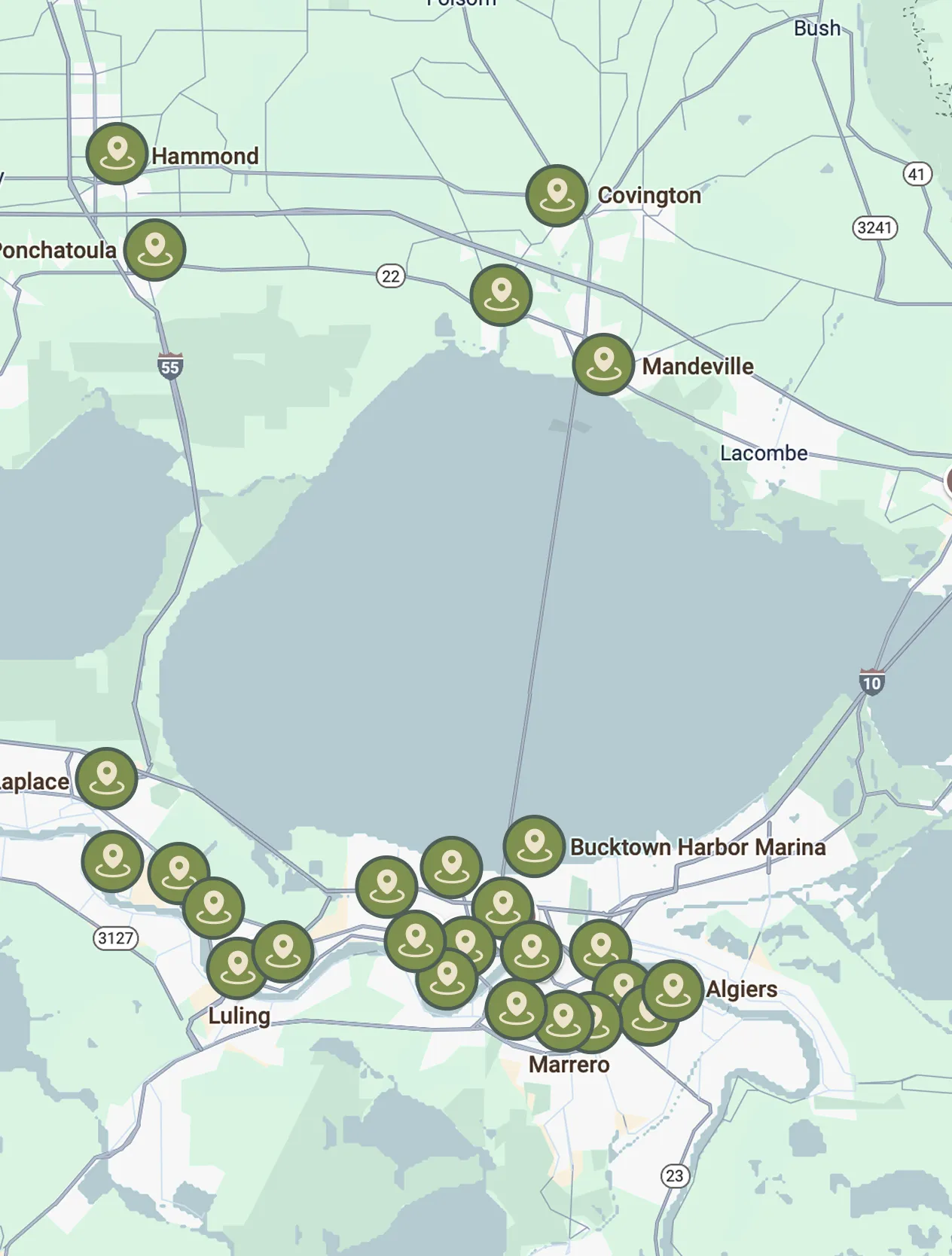
Our service areas are designed to meet the diverse needs of our clients. We focus on providing exceptional service and ensuring customer satisfaction in every location we operate.