Air Purification in River Ridge, LA
.webp)
Cypress Cooling provides River Ridge homes with comprehensive air purification solutions designed to reduce allergens, mold spores, odors, and VOCs, protecting your family's health. We offer a range of technologies, including HEPA filtration, electrostatic precipitators, UV C, and gas phase filtration, often deployed in hybrid systems for broader coverage. Systems can be whole home or point of use, integrated with your existing HVAC or used in targeted rooms. Proper sizing, installation, and maintenance are crucial for optimal airflow and efficiency. Cypress Cooling emphasizes ongoing testing, regular filter changes, and documented performance improvements to ensure healthier indoor air for your River Ridge home.
jpg.webp)
Air Purification in River Ridge, LA
Maintaining healthy indoor air in River Ridge, LA is more than comfort. With Gulf Coast humidity, year-round pollen, frequent storms that can introduce mold and particulate debris, and many homes with older ductwork, residents face persistent indoor air quality challenges. Whole-home and point-of-use air purification systems can reduce allergens, mold spores, smoke, odors, and volatile organic compounds so your living spaces are safer for children, seniors, and allergy or asthma sufferers.
How different air purification technologies work
- HEPA filtration (whole-home or portable)
High Efficiency Particulate Air (HEPA) filters capture at least 99.97 percent of particles 0.3 microns and larger. In whole-home applications they are installed in the air handler or as a dedicated filtration module. HEPA is highly effective against pollen, pet dander, dust mite fragments, and many mold spores. - Electronic filtration / electrostatic precipitators
These systems charge airborne particles and collect them on plates. They remove fine particles efficiently and can be low-profile when integrated into ductwork. They require routine cleaning of collector plates and may produce low levels of ozone if not properly designed. - UV germicidal irradiation (UV-C)
UV lamps installed in the air handler or ductwork inactivate bacteria, viruses, and mold spores by damaging their DNA or RNA. UV is best used as a complement to filtration because it does not remove particles or odors on its own. - Combined systems
Many River Ridge homes benefit from hybrid systems: HEPA or high-MERV filtration plus UV-C and a carbon/adsorbent stage for VOCs and odors. Combined systems deliver a broader range of protection than any single technology. - Gas-phase filtration (activated carbon, chemisorption)
Activated carbon removes odors, cooking fumes, and many volatile organic compounds. This is helpful in humid climates where indoor odors and off-gassing can be more noticeable.
Common air quality issues in River Ridge homes
- Seasonal tree and grass pollen causing allergy flare-ups
- High indoor humidity supporting mold and dust mite populations
- Post-storm mold growth and water intrusion concerns
- Fine particulate from nearby traffic, construction, or backyard burning
- Persistent cooking and pet odors in open living plans
Whole-home versus point-of-use: which fits your home?
- Whole-home systems integrate with your HVAC and treat all conditioned air. They are ideal when:
- You want consistent protection throughout the house
- You have central air and ductwork in good condition
- Multiple occupants have allergies, asthma, or immune concerns
- Point-of-use units (portable HEPA, tabletop UV purifiers, or stand-alone carbon units) are useful when:
- You need extra protection in a bedroom or home office
- Your house lacks central HVAC or you have zoning challenges
- Budget or immediate needs require a targeted solution
Integration with existing HVAC equipment
A professional assessment will confirm duct compatibility, air handler space, and static pressure limits. Typical integration options include:
- Installing a HEPA or high-MERV cartridge in a dedicated bypass or cabinet to avoid overtaxing the blower
- Mounting UV lamps on the coil or in the return duct to reduce microbial growth on cooling coils
- Adding electronic collectors or bipolar ionization modules where space or static pressure are limiting factors
- Including a gas-phase filter bank for VOCs and odors when requested
Proper sizing and balancing preserve airflow and system efficiency. Leaky ducts common in older River Ridge homes should be addressed to maximize purification performance.
Installation process and commissioning
- On-site evaluation of HVAC layout, occupant needs, and indoor air history
- Recommend technologies based on home size, occupants, and local factors like humidity and allergen sources
- Install modular or duct-mounted units, secure electrical connections, and position point-of-use devices for optimal air circulation
- Commission with baseline particle counts and CO2 or VOC readings if requested, then run post-installation testing to quantify improvements
- Provide documentation on filter types, expected replacement intervals, and maintenance tasks
Filter replacement and maintenance plans
- HEPA filters typically need replacement every 6 to 12 months depending on load and usage. High-MERV prefilters can extend HEPA life.
- Electronic collector plates require cleaning every 3 to 6 months. UV lamps should be replaced annually to maintain germicidal output.
- Carbon/gas-phase filters vary by exposure to odors and VOCs, commonly replaced every 6 to 12 months.
- Annual system inspections keep airflow balanced, seals intact, and sensors or controls calibrated.
Maintenance plans usually include scheduled filter shipments or service visits, performance verification, and recordkeeping to ensure warranties remain valid and systems operate at peak efficiency.
Performance metrics and testing results to expect
- CADR and ACH: Clean Air Delivery Rate (CADR) and Air Changes per Hour (ACH) provide practical measures of how quickly a system cleans a room. For whole-home treatments, aim to improve particle removal rates and increase equivalent ACH.
- Particle count reduction: Typical HEPA+pre-filter systems reduce particulate matter (PM2.5) by 80 to 95 percent in treated air when properly sized and installed. Combined systems with UV and gas-phase stages add biological and odor control.
- MERV rating: Whole-home filter stages are often MERV 8 to 13; higher MERVs trap finer particles but must be matched to fan capacity.
- Microbial reduction: UV-C plus filtration can significantly reduce viable mold and bacteria on coils and in duct airflows, reducing odor and biofilm growth.
Technicians use particle counters and IAQ meters to provide before-and-after data so you can see measurable improvements.
Choosing the right system for River Ridge homes
Consider these factors when selecting a solution:
- Health needs: asthma, allergies, immune suppression, or elderly occupants require more robust systems.
- Home layout: multiple floors, open plans, and ductwork condition determine whole-home feasibility.
- Local environmental drivers: heavy pollen seasons, high humidity, or post-storm mold risk may favor combined filtration plus UV and dehumidification strategies.
- Maintenance willingness: HEPA and carbon filters need replacements; electronic and UV systems require cleaning and lamp changes.
- Noise sensitivity and energy impacts: whole-home systems are generally quieter and more energy efficient than many portable units, but proper sizing is essential to avoid excessive fan run time.
Benefits beyond cleaner air
Installed correctly, an air purification system improves sleep, reduces allergy and asthma symptoms, protects HVAC equipment by keeping coils cleaner, and lowers odor levels. In River Ridge, reducing indoor mold and dust mite populations can be especially valuable given the local humidity and storm-related moisture risks.
Financing and promotional programs are commonly available to make upgrades more accessible, and many homeowners find that planned maintenance agreements preserve performance and provide predictable costs over time.
Selecting the right air purification approach in River Ridge means balancing technology, installation quality, and ongoing care. With the right combination of filtration, UV, and gas-phase media, homeowners can expect measurable reductions in particulates, allergens, and biological contaminants that affect daily health and comfort.
OUR CLIENTS HAVE TO SAY ABOUT US



Service areas
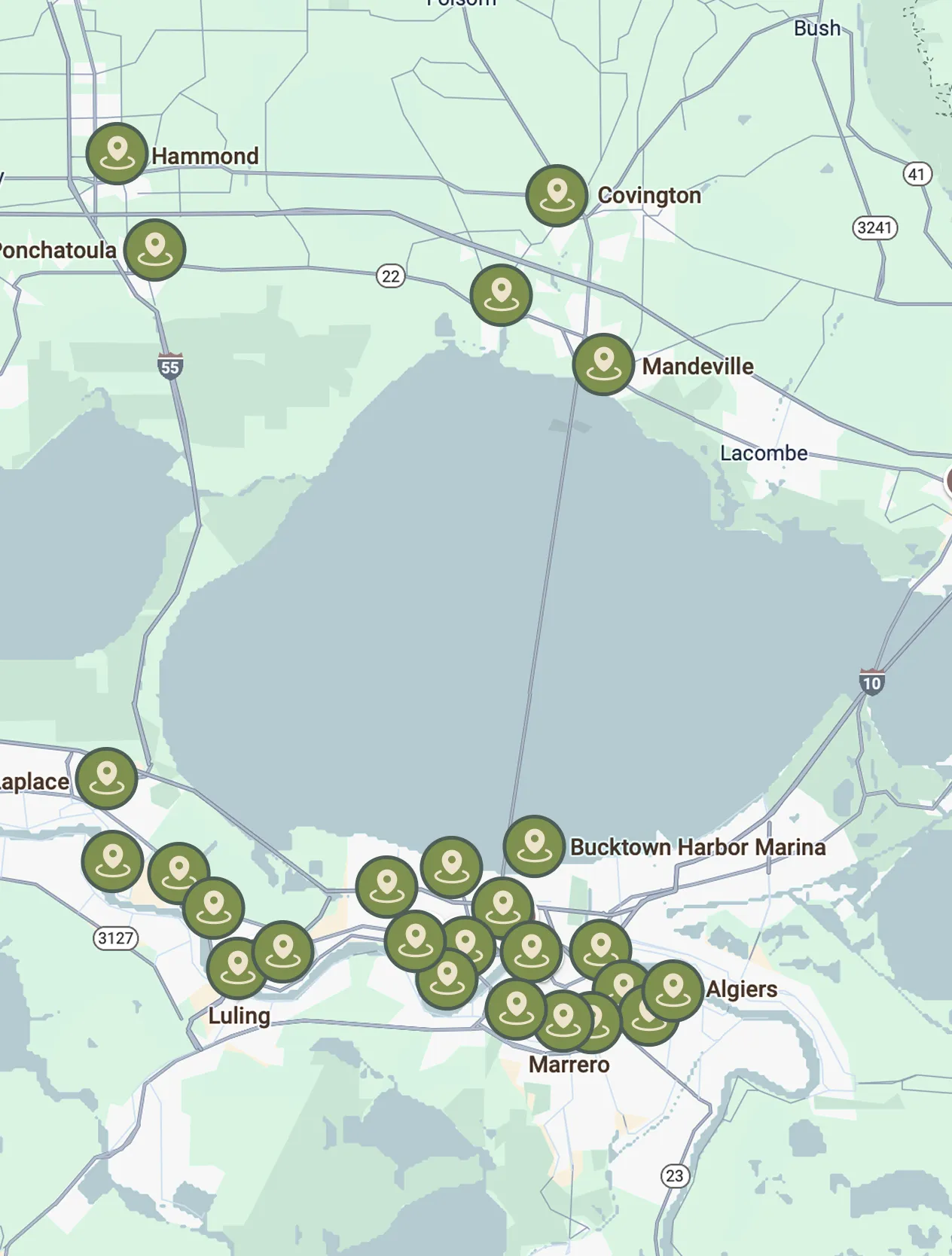
Our service areas are designed to meet the diverse needs of our clients. We focus on providing exceptional service and ensuring customer satisfaction in every location we operate.