Air Purification in Pontchartrain Gardens, LA
.webp)
For homeowners in Pontchartrain Gardens, Cypress Cooling offers whole home air purification solutions that seamlessly integrate with your existing HVAC system. This ensures continuous removal of particulates, odors, and VOCs, leading to a healthier and more comfortable home. We'll guide you through the options, comparing HEPA filtration, activated carbon filters, APCO X style systems, and electronic air cleaners. Cypress Cooling recommends a layered approach tailored to your home's size and specific concerns. We'll also cover installation considerations, maintenance timelines, and the practical health benefits, including reduced allergy symptoms and odors, improved HVAC efficiency, and the importance of proper moisture control and source management for optimal results.
PNG.webp)
Air Purification in Pontchartrain Gardens, LA
Keeping the air inside your Pontchartrain Gardens home clean matters year-round. With coastal humidity, seasonal pollen, and occasional storm-related mold and rebuild VOCs, homeowners here face unique indoor air quality challenges. Whole-home air purification addresses those concerns by removing particulates, odors, and volatile organic compounds (VOCs) at the source, integrating with your HVAC system so every room benefits. Below is a practical, decision-focused guide to choosing the right whole-home solution for Pontchartrain Gardens homes, how technologies work, installation considerations, maintenance schedules, and realistic health benefits.
Why whole-home air purification matters in Pontchartrain Gardens
- High humidity and warm temperatures contribute to mold growth and higher levels of airborne fungal spores.
- Proximity to Lake Pontchartrain and coastal breezes can increase pollen and outdoor particulates entering homes.
- Post-storm repairs and renovations raise indoor VOCs from paints, adhesives, and construction materials.
- Many residents experience allergies or asthma that worsen with elevated indoor particulates and odors.
A whole-home system cleans the air that circulates through your HVAC, reducing allergens, odors, and pollutants continuously rather than only treating the air in a single room.
Common whole-home air purification options
Below are the primary technologies used for whole-home treatment and what they do best.
- HEPA filtration (high-efficiency particulate air)
- Removes particles down to 0.3 microns with high efficiency. Effective against dust, pollen, pet dander, and many mold spores.
- Best for homes where particulate allergens are the main concern.
- Considerations: True HEPA is often implemented as a dedicated in-duct module or as part of a mechanical filtration strategy; high-resistance HEPA filters can increase system static pressure and may require HVAC adjustments.
- Activated carbon filtration
- Adsorbs odors and many VOCs. Useful for musty smells after storms, cooking odors, tobacco smoke, and off-gassing from building materials.
- Often used as a pre- or post-filter stage paired with particulate filtration.
- Photocatalytic oxidation and APCO X-style systems
- APCO X-type whole-house systems combine photocatalytic oxidation, UV, and activated carbon elements to reduce VOCs, odors, and some microbes.
- Effective for homes with persistent odors, chemical sensitivities, or elevated VOCs from renovations.
- These systems work continuously in-duct and complement particulate filtration rather than replacing it.
- Electronic air cleaners and ionization
- Capture or charge particles so they collect on plates or surfaces. Some systems reduce particulates effectively but may produce trace ozone; choose certified, low-ozone models if considering this option.
Diagnosing the right solution for your home
Start with identifying the dominant problem:
- Visible dust, constant dusting, or known pollen/allergy issues: prioritize HEPA-level particulate filtration or a high-MERV in-duct solution.
- Persistent odors, chemical smells, or recent renovations: add activated carbon or an APCO X-style VOC treatment.
- Moldy or musty smells after storms: combine dehumidification, targeted mold remediation, and whole-house filtration that includes activated carbon plus particulate control.
- Multiple concerns (allergens + VOCs): a layered system that uses HEPA-level filtration + activated carbon + APCO-style oxidation delivers the broadest coverage.
A professional indoor air quality assessment (or at-home IAQ monitors for PM2.5 and VOCs) helps prioritize upgrades and select the properly sized equipment.
Integration with existing HVAC systems
- In-duct installation: Whole-house units are typically mounted on the return plenum or at the air handler. Proper placement ensures all conditioned air passes through the purification stages.
- Airflow and static pressure: High-efficiency media filters and in-duct HEPA can increase resistance. HVAC blowers and duct sizing must be evaluated so airflow and comfort are not compromised.
- Electrical and space requirements: APCO-style cells and UV components require electrical access near the air handler. Many attics or utility closets in Pontchartrain Gardens homes provide adequate space, but a site inspection will confirm fit.
- Compatibility: Most solutions work with central air systems. For homes without ducted systems, multi-room solutions or a combination of portable HEPA units and source control should be considered.
Installation and replacement schedules
- Installation timeline: In-duct systems and whole-house modules typically install in a day to two, depending on modifications. Professional commissioning ensures proper airflow and system integration.
- Filter replacement and maintenance:
- Standard HVAC filters (MERV 8–11): replace every 1 to 3 months depending on load.
- High-efficiency media/HEPA-type in-duct filters: inspect every 3 months; typical replacement 6 to 12 months depending on usage and pollutant load.
- Activated carbon cartridges: replace every 3 to 12 months depending on VOC/odor levels.
- APCO-style cells or oxidation modules: service intervals often range from 6 months to 2 years depending on model; follow manufacturer guidance and annual system checks.
- UV lamps (if included): replace annually or as recommended to maintain effectiveness.
- Seasonal tune-ups: Schedule HVAC and IAQ checks before peak pollen season and after any major renovation or storm event that could increase indoor contaminants.
Health and comfort benefits for Pontchartrain Gardens homes
- Reduced allergy triggers: Lower pollen, dust mite fragments, and pet dander can decrease symptoms and improve sleep quality.
- Odor and VOC reduction: Activated carbon and APCO-style systems help neutralize musty, chemical, and smoke odors common after storms or renovations.
- Fewer respiratory irritants: Cleaner indoor air reduces the burden on occupants with asthma or sensitivity to particulates.
- Preservation of HVAC equipment: Cleaner air reduces dust buildup on coils and components, supporting system efficiency and longevity.
Note: While air purification helps reduce airborne triggers and pollutants, it complements — rather than replaces — proper moisture control, targeted mold remediation, and source control for chemicals.
Recommended solutions by home size and concern
- Small homes or apartments (up to ~1,200 sq ft)
- In-duct MERV 13 filter or high-quality portable HEPA units in main living areas.
- Carbon filter cartridge for odor/VOC concerns.
- Medium homes (1,200–2,500 sq ft)
- Whole-house high-efficiency media filter plus an activated carbon stage.
- Consider APCO X-style module if VOCs or persistent odors are a major issue.
- Large homes and severe indoor air concerns
- Multi-stage whole-house system: HEPA-capable or equivalent media filtration, activated carbon, plus a photocatalytic/UV stage for VOCs and microbes.
- Add whole-house dehumidification to control mold risk in humid months.
Practical maintenance and monitoring tips
- Replace filters on schedule and keep a maintenance log. Higher humidity and storm-related contamination will shorten filter life.
- Use IAQ sensors for PM2.5 and VOCs to see when filtration demand increases — useful during pollen season or when remodeling.
- Keep humidity between 40% and 50% to limit mold growth; consider a whole-house dehumidifier in persistent humidity.
- After storms or water intrusion, prioritize drying and mold remediation before relying on filtration alone.
Financing and purchasing considerations
Whole-home air purification systems vary by complexity and capacity. Many homeowners finance upgrades or choose phased installations to balance budget and effectiveness. When evaluating options, compare system performance specifications (particle capture efficiency, VOC reduction, airflow impact), estimated maintenance costs, and equipment service intervals to match long-term needs.
Choosing the right whole-home air purification approach for Pontchartrain Gardens homes requires aligning your primary indoor air concerns with a layered solution that integrates smoothly with your HVAC system. Proper installation, routine maintenance, and attention to moisture control deliver the best ongoing air quality outcomes for families dealing with humidity, pollen, odors, or post-storm VOCs.
OUR CLIENTS HAVE TO SAY ABOUT US



Service areas
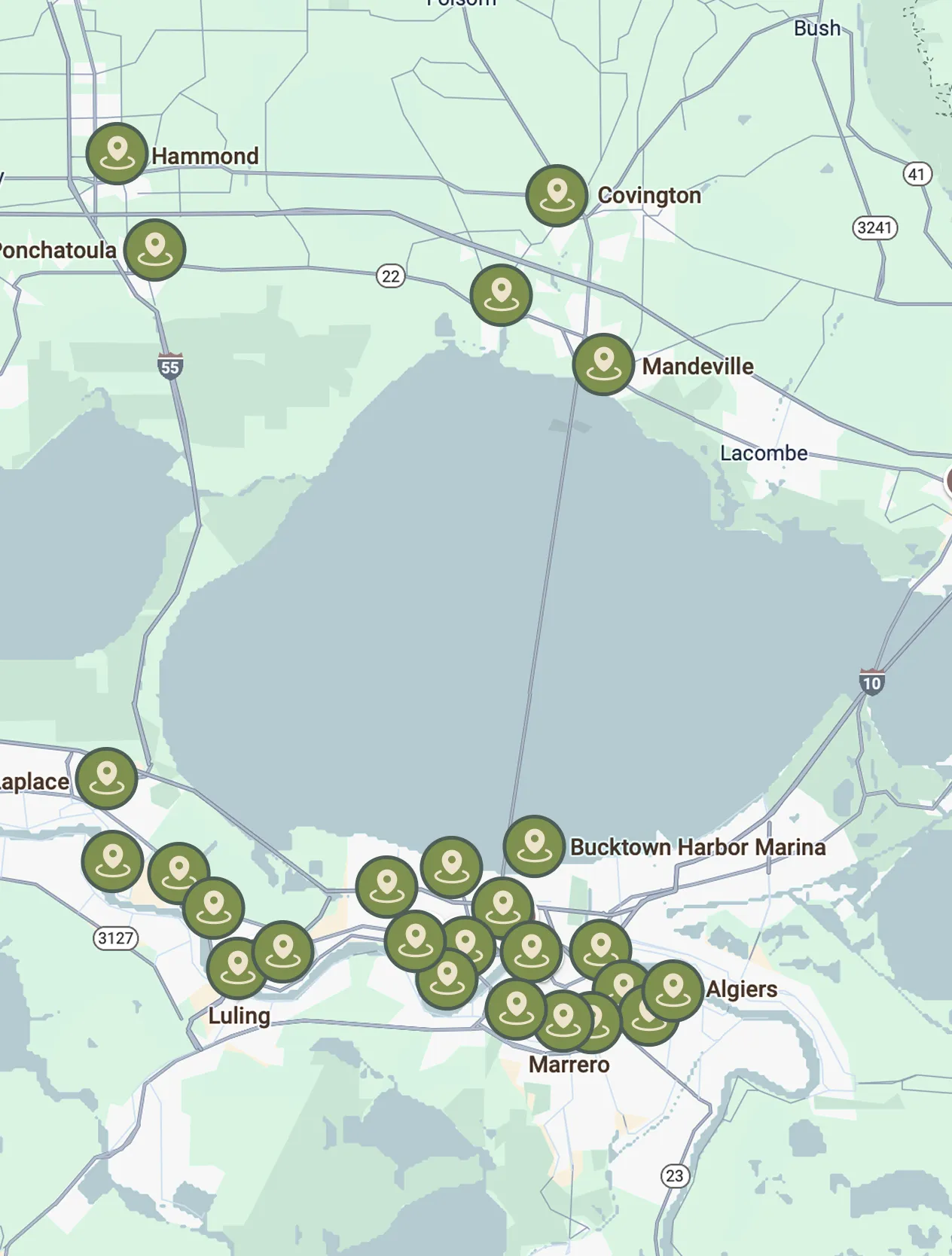
Our service areas are designed to meet the diverse needs of our clients. We focus on providing exceptional service and ensuring customer satisfaction in every location we operate.