Air Purification in New Sarpy, LA
.webp)
For homes in New Sarpy, LA, achieving truly clean air means tackling humidity, pollen, odors, and those pesky VOCs. At Cypress Cooling, we understand this, which is why we offer a range of air purification solutions, from whole home ducted systems to convenient portable units. We'll walk you through the pros and cons of HEPA filtration, activated carbon filters, electronic air cleaners, and even advanced APCO X style technologies. We'll explain how each option integrates seamlessly with your existing HVAC system and provide guidance on sizing, performance, and essential maintenance. Let Cypress Cooling help you choose the perfect solution based on your room size, budget, and lifestyle, ensuring healthier indoor air for your family.
jpg.webp)
Air Purification in New Sarpy, LA
Clean indoor air matters in New Sarpy homes. With Gulf Coast humidity, extended pollen seasons, and riverfront proximity that can increase mold and odor issues, choosing the right air purification strategy helps protect family members with allergies or asthma, reduces persistent household odors, and improves overall indoor comfort. This page explains whole-home and point-of-use options (HEPA, activated carbon, electronic cleaners, and advanced whole-home systems such as APCO X-style units), how they integrate with HVAC, what to expect in performance, and how to choose and maintain the right solution for New Sarpy properties.
Why air purification matters in New Sarpy, LA
- High humidity promotes mold spores and dust mite populations that trigger allergies and asthma.
- Extended pollen seasons and regional vegetation contribute to seasonal allergy symptoms.
- River and coastal influences can introduce damp-related odors and increase VOC persistence indoors.
- Storms and high winds can drive outdoor particulates, dust, and debris into homes, raising indoor particle loads.
Choosing an appropriate air purifier reduces airborne particulates, dander, pollen, mold spores, odors, and many volatile organic compounds (VOCs), helping to lower symptomatic episodes and improve sleep and respiratory health.
Common air purification types and what they do
- HEPA filtration (True HEPA)
Captures particles. True HEPA filters remove at least 99.97% of particles down to 0.3 microns, including pollen, pet dander, and many respiratory aerosols. Best for allergy and asthma control. - Activated carbon
Adsorbs odors and VOCs. Carbon beds remove cooking odors, smoke, chemical smells, and many gaseous pollutants that HEPA filters do not trap. - Electronic air cleaners (electrostatic precipitators, ionizers)
Removes fine particles electronically. These can capture small particles effectively but require regular cleaning and some types can produce low levels of ozone. Consider units certified for safe ozone limits if choosing this technology. - Advanced whole-home systems (APCO X-style / photocatalytic + carbon)
Target particulates, VOCs and odors continuously. These combine multiple technologies—photocatalytic oxidation, activated carbon, and filtration—to reduce odors, VOCs and microbial contaminants when integrated into HVAC ducts for whole-house coverage.
Whole-home vs. point-of-use: which approach fits your New Sarpy home
- Whole-home (duct-integrated) systems
- Provide continuous, whole-house protection when installed in the HVAC return or as an in-duct add-on.
- Best for open floor plans and multi-bedroom homes where centrally treating air is the priority.
- Considerations: HVAC compatibility, static pressure, and professional sizing are essential to maintain system airflow and efficiency.
- Point-of-use (portable) units
- Ideal for bedrooms, kitchens, or areas with specific concerns (pet rooms, home offices).
- Portable HEPA units offer targeted, high-efficiency filtration for rooms and are useful in rentals or where whole-home installation is not feasible.
- Use high-CADR units in rooms where occupants spend most time.
Sizing, performance metrics, and how to compare units
- HEPA efficiency: True HEPA = 99.97% at 0.3 microns. This is the benchmark for particle removal.
- CADR (Clean Air Delivery Rate): Indicates the volume of filtered air delivered (in cubic feet per minute). Use CADR to match purifier capacity to room size.
- ACH (Air Changes per Hour): How many times the air in a space is filtered each hour. For allergy or asthma sufferers aim for 4–6 ACH in living and sleeping spaces.
- MERV rating (for HVAC filters): MERV 8–11 handles larger particles; MERV 13 offers finer particle capture (including some aerosols) but increases airflow resistance. Confirm HVAC fan performance before upgrading to higher MERV filters.
- Noise and energy: Compare decibel levels and power draw for continuous operation, especially for bedrooms.
Quick sizing formula (useful for point-of-use selection):
- Room volume = length × width × ceiling height (cubic feet).
- Required CADR (cfm) = (Desired ACH × Room volume) / 60.
Example: For a 12 × 12 room with 8 ft ceilings (1,152 cu ft) and a target of 4 ACH: CADR = (4 × 1,152) / 60 ≈ 77 cfm.
Installation and integration with HVAC systems
- Whole-home units are typically mounted in the return duct or air handler cabinet; professional assessment ensures adequate airflow and that the added static pressure will not strain the fan.
- Some systems require a dedicated bypass or blower modification; others integrate with existing blowers using minimal modification.
- Placement matters: returns and supply locations affect distribution. Professionals will evaluate duct layout, return sizing, and expected runtime to optimize performance.
- Point-of-use units require clear placement in the breathing zone (typically 3–6 feet above the floor), away from walls and obstructions, and ideally near pollutant sources (kitchen or pet areas) for faster capture.
Maintenance and expected upkeep in New Sarpy conditions
- Pre-filters: Clean or replace every 1–3 months depending on dust load and pets. Pre-filters extend main filter life.
- HEPA filters: Typical replacement intervals range from 6 months to 2 years depending on usage, indoor pollutant levels, and whether a pre-filter is used.
- Activated carbon: Replace every 3–12 months; effectiveness reduces with VOC saturation.
- Electronic cleaners: Require monthly or quarterly electrode cleaning and an annual check to maintain performance.
- Advanced systems (photocatalytic/UV): Lamp and catalyst maintenance intervals vary; plan for annual inspections.
- High humidity in New Sarpy can shorten filter life and encourage microbial growth on filters; inspect more frequently during warm, damp months and consider combining filtration with dehumidification to control mold risk.
Choosing the right solution for your concerns
- Allergy/asthma relief: Prioritize True HEPA filtration with a goal of 4–6 ACH for living and sleeping spaces. Consider MERV 13 in HVAC systems if compatible.
- Odor and VOC control: Combine activated carbon with HEPA or choose an APCO X-style whole-home technology designed to target gases and odors.
- Pet dander and frequent cooking: Use a mix of whole-home filtration for baseline air quality and point-of-use portable HEPA units in bedrooms and kitchens for boosted capture.
- Smoke or wildfire events: Portable HEPA units with high CADR can rapidly lower particle concentrations in occupied rooms; a whole-home system can reduce infiltration when HVAC is running with filtered recirculation.
- Budget and property type: Renters often benefit most from portable units. Homeowners aiming for whole-house protection should weigh HVAC compatibility, long-term maintenance, and energy impacts.
Expected benefits for New Sarpy households
- Measurable reduction in airborne allergens and particulates, improving breathing and sleep quality.
- Noticeable decrease in odors and VOCs with carbon or advanced whole-home technologies.
- Lower dust accumulation on surfaces and potentially improved HVAC efficiency when filtration and duct cleaning are coordinated.
- Fewer symptomatic episodes for family members with asthma or allergies when systems are properly sized and maintained.
Regular maintenance, proper sizing, and integrating filtration strategies with humidity control will deliver the best results in New Sarpy’s humid, pollen-prone environment. Whether you choose a point-of-use HEPA for a bedroom or a whole-home APCO X-style system to address odors and VOCs across the house, match the technology to your primary concerns, verify HVAC compatibility for ducted solutions, and plan for routine filter and component servicing to sustain peak performance.
OUR CLIENTS HAVE TO SAY ABOUT US



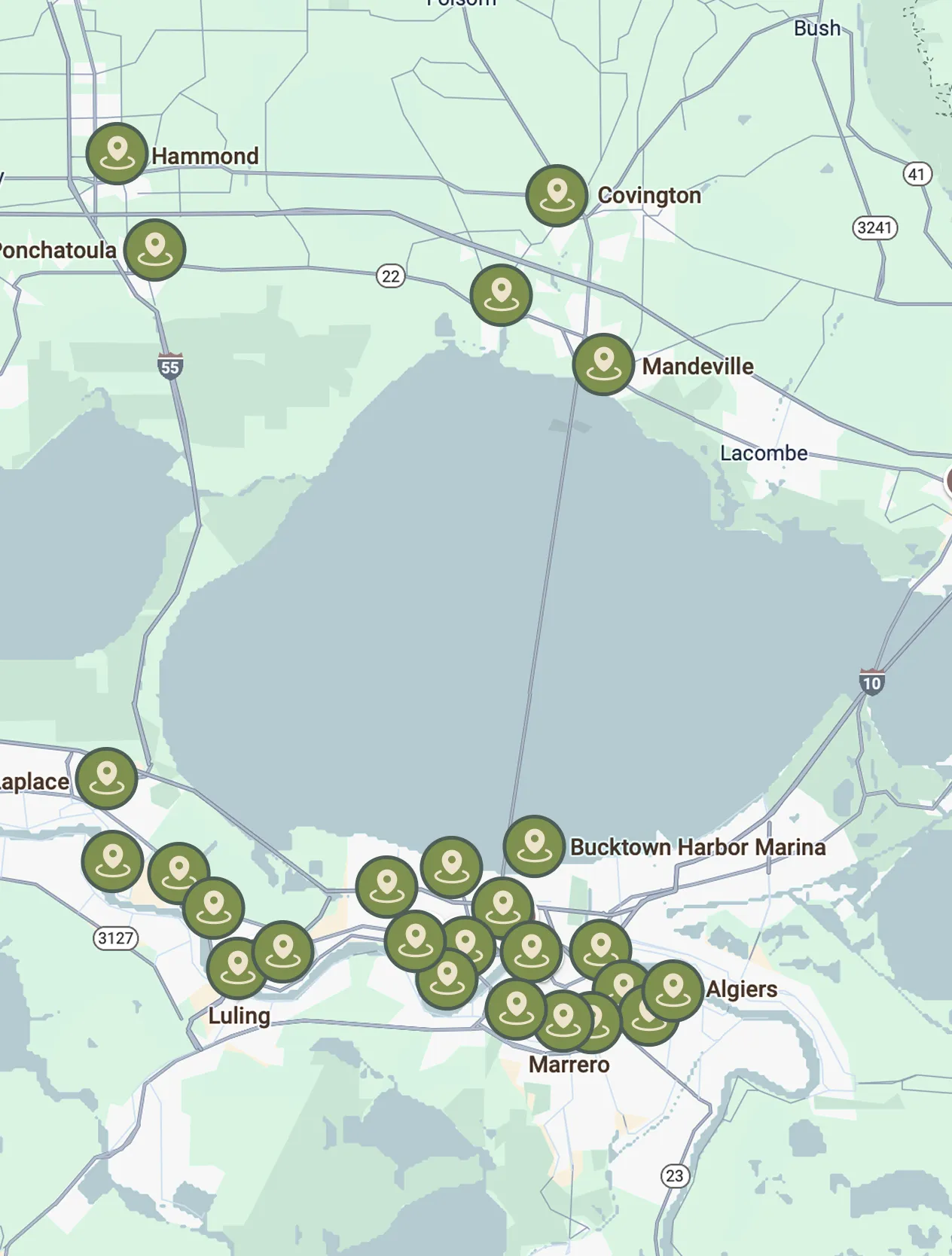
Service areas
Our service areas are designed to meet the diverse needs of our clients. We focus on providing exceptional service and ensuring customer satisfaction in every location we operate.