Air Purification in Luling, LA
.webp)
Need help with air purification in your Luling, LA home? Cypress Cooling guides homeowners through choosing, installing, and maintaining effective indoor air treatments. We'll outline the various technologies available, including True HEPA filters, activated carbon/APCO systems, UV assisted units, and electronic cleaners, explaining which contaminants each targets, from pollen and odors to microbes. We'll contrast whole home in duct systems with portable point of use units and detail the installation process, maintenance schedules, and expected lifecycles. Cypress Cooling emphasizes matching the solution to your home type, budget, and willingness to perform regular care for lasting air quality improvements.
jpg.webp)
Air Purification in Luling, LA
Breathing clean indoor air matters in Luling, LA. Coastal humidity, seasonal pollen, occasional smoke and local industrial emissions can make indoor air carry particles, odors, volatile organic compounds (VOCs) and mold spores that contribute to allergies, asthma flare ups, poor sleep and lingering odors. Whole-home and point-of-use air purification options let you address those specific problems where they matter most. Below is expert, practical guidance to help Luling homeowners choose, install and maintain the right solution for their home and household needs.
Which technologies target which contaminants
- True HEPA filtration
- Targets: particles including pollen, pet dander, dust mites, smoke and many fine particulates (HEPA media captures 99.97 percent of particles down to 0.3 microns).
- Best for allergy and asthma sufferers and homes with pets or wildfire smoke concerns.
- Activated carbon and APCO-type systems
- Targets: VOCs, odors from cooking, tobacco, chemicals, and some industrial emissions. APCO-style systems combine carbon adsorption with light-activated catalytic processes to break down odor and VOC molecules.
- Best where odors or chemical smells are a primary complaint, or in areas with nearby industrial emissions.
- UV-assisted purifiers
- Targets: microbes on coils and in airstreams including bacteria, viruses and mold spores. UV is most effective when used to treat the air handler coil and drain pan to prevent microbial growth.
- Best for humid climates like Luling where mold growth on HVAC components can occur.
- Electronic air cleaners (electrostatic precipitators/ionizers)
- Targets: very small particles including ultrafine particles; some models remove particles silently without thick filters.
- Note: older or poorly maintained electronic cleaners can produce ozone. Select certified low-ozone models and maintain according to manufacturer guidance.
Whole-home vs point-of-use: where to install
- Whole-home (in-duct) systems
- Installed at the furnace/air handler or in return ducts to treat air across the entire forced-air system. Ideal for consistent, system-wide particle and odor reduction. Integration typically involves a filter cabinet, added media (HEPA or carbon cells sized to the system) or installing UV lamps at the coil.
- Considerations: check your HVAC fan capacity and static pressure. High-efficiency filters (MERV 13 or equivalent) improve capture but may affect airflow if the system is not sized for them. Professional sizing and installation are important.
- Point-of-use (portable or wall-mounted) units
- Best for bedrooms, nurseries, living rooms or rental units where whole-home modifications are not practical. Portable True HEPA units with activated carbon sections are the most versatile for particle plus odor control.
- Ideal for renters, single-room problem spots, or supplemental control in open floor plans where a whole-home upgrade is not warranted.
- Targeted installations
- UV lamps installed in the air handler to control coil mold and drain pan growth.
- Electronic cleaners mounted in ducts for high particle capture where appropriate.
- Kitchen and garage exhaust combined with point-of-use carbon filtration to reduce VOC entry.
Installation process and what to expect
- IAQ assessment: inspect HVAC ducts, measure airflow, identify pollutant sources (pets, smoking, nearby industry, musty odors). This determines whether whole-home or point-of-use systems are best.
- Sizing and selection: choose equipment based on home square footage, HVAC capacity, and occupant sensitivities. For portable units, use CADR and room size ratings. For in-duct systems, select media and MERV rating suited to the air handler.
- Installation: whole-home units mount at the air handler or return; UV lamps mount near the coil; portable units are placed in targeted rooms. Professional installation ensures proper placement, power supply and pressure checks.
- Testing and baseline: measure particulate levels and note odor/VOC presence if testing is available, so improvements can be confirmed after installation.
- Maintenance plan: set filter and lamp replacement schedules and cleaning intervals to sustain performance.
Maintenance and filter replacement expectations
- True HEPA filters: typically replaced every 6 to 12 months depending on load. In Luling, higher pollen and dust loads and heavy indoor smoking or pets often mean changing sooner, around 6 months.
- Prefilters: 1 to 3 months. These protect HEPA media and improve filter life.
- Activated carbon/APCO cartridges: commonly replaced every 6 to 12 months depending on VOC exposure and odor load. High-exposure homes may need more frequent replacement.
- UV lamps: usually replaced annually because output declines with time even if the lamp still glows.
- Electronic collectors: plates or cells need regular cleaning (monthly to quarterly) to prevent re-emission of particulates.
- Duct and coil care: periodic duct inspection and coil cleaning reduce microbial sources and help purifiers work efficiently.
Neglecting maintenance reduces efficiency, may lead to higher energy use, cause odors from saturated media, or let microbes grow on dirty filters and coils. For humid Luling summers, prompt filter changes and UV coil treatment help prevent mold on filters and the HVAC coil.
Health and comfort benefits you can expect
- Fewer allergy and asthma triggers: reduced airborne pollen, pet dander and dust mite particles.
- Better odor control: activated carbon and APCO-type media reduce cooking smells, smoke and many household VOCs.
- Reduced microbial growth: UV treatment at the coil and proper filtration reduces mold spore circulation and microbial buildup in the HVAC system.
- Cleaner surfaces and less dusting: removing particulates from the air lowers the rate at which dust settles.
- Improved HVAC efficiency and longevity: cleaner air moving through the system reduces coil fouling and maintains airflow when filters are maintained properly.
Choosing the right purifier for your Luling home
Consider these factors together:
- Health needs: severe allergies or asthma point to True HEPA plus a whole-home solution or room-specific HEPA in sleeping areas.
- Odors and VOCs: pair HEPA with activated carbon or an APCO-type system. Homes near industry or heavy traffic benefit from strong VOC mitigation.
- Humidity and mold risk: add UV treatment at the coil and address humidity with dehumidification to reduce mold growth.
- Home type and budget: central forced-air homes gain the most from in-duct systems; apartments and rentals are better served by high-quality portable HEPA/carbon units.
- Maintenance willingness: systems that require frequent cleaning or lamp changes need owners who will follow a maintenance schedule. Choose simpler filter-change models if maintenance will be inconsistent.
- Noise and energy: portable units vary by fan speed and sound level; in-duct systems are quieter but may slightly increase HVAC energy use depending on filter resistance.
Choosing an effective air purification setup in Luling means matching technology to the contaminants you actually face, integrating solutions with your existing HVAC when possible, and committing to straightforward maintenance. With the right combination of HEPA filtration, activated carbon/APCO media and targeted UV where needed, homes in Luling can see measurable improvements in air quality, comfort and long-term system health.
OUR CLIENTS HAVE TO SAY ABOUT US



Service areas
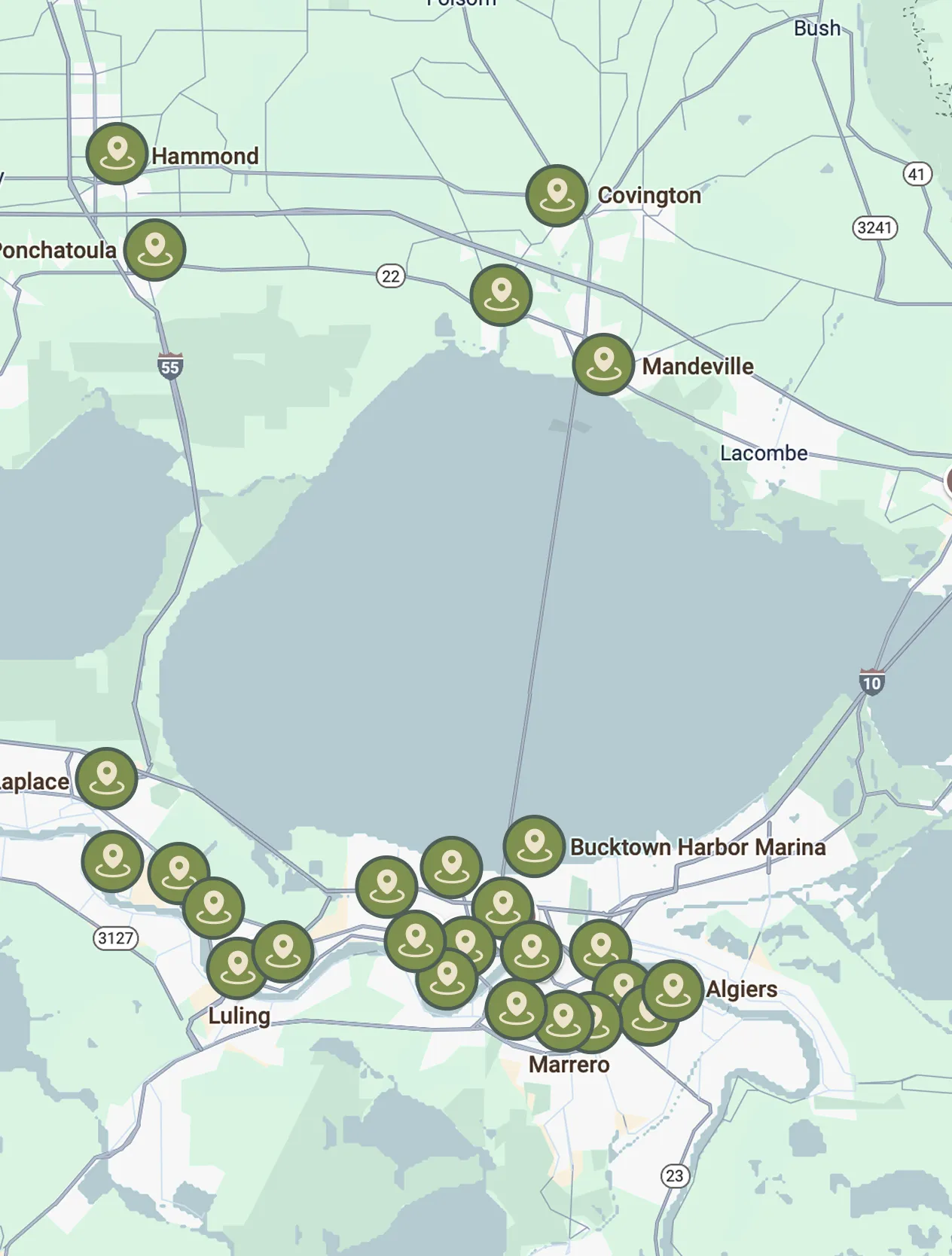
Our service areas are designed to meet the diverse needs of our clients. We focus on providing exceptional service and ensuring customer satisfaction in every location we operate.