Air Purification in Kenner, LA
.webp)
Looking for air purification solutions in Kenner, LA? Cypress Cooling can help! Choosing and installing the right system can feel overwhelming. We provide expert guidance on systems that effectively reduce particles, mold, VOCs, and odors without compromising your HVAC performance. We'll explain the different technologies available, like HEPA filters, MERV filters, and UV/APCO X variants, and help you decide between whole home and portable units. Cypress Cooling ensures seamless integration with your existing ductwork. We'll also cover sizing, maintenance, and measurable performance metrics like CADR, MERV ratings, and ACH. Our goal is to help you select a solution tailored to your specific needs, considering humidity, pollen, smoke, and your family's health.
jpg.webp)
Air Purification in Kenner, LA
Clean indoor air is essential year round in Kenner, LA. With high humidity, frequent pollen, occasional wildfire and barbecue smoke, and the moisture-driven risk of mold, homeowners here often see more airborne allergens and odors than in drier climates. Whole-home and point-of-use air purification systems reduce particles, allergens, odors, and volatile organic compounds to improve breathing comfort and reduce asthma and allergy triggers. This page explains technologies, selection guidance, integration with existing HVAC systems, installation and maintenance, and measurable performance metrics so Kenner homeowners can make an informed decision.
Why air purification matters in Kenner, LA
- Humidity-driven mold and mildew spores thrive in the Gulf Coast climate, increasing indoor spore counts.
- High seasonal pollen, plus outdoor dust from construction and road salt spray near the river, raise particulate loads.
- Increased air conditioning use traps indoor pollutants and recirculates contaminants through ductwork.
- Cooking, pets, cleaning products, and off-gassing from new furniture add VOCs and odors to indoor air.
For people with allergies or asthma, reducing particle and chemical exposure is one of the most effective ways to lower symptoms and medication reliance.
Common air purification technologies and how they work
- HEPA filtration (Portable and Whole-home options)
HEPA filters capture 99.97 percent of particles 0.3 microns and larger. In whole-home setups, a HEPA-style or high-efficiency filter in the return plenum or air handler reduces dust, pollen, pet dander, and many mold spores across the entire living space. - MERV-rated filters (HVAC compatible)
MERV (Minimum Efficiency Reporting Value) ratings indicate how well a filter captures particles. Residential systems commonly use MERV 8 to MERV 13. For allergy and asthma sufferers, MERV 11 to MERV 13 often provide a good balance of filtration efficiency and airflow compatibility with standard residential HVAC systems. - Electronic air cleaners and electrostatic precipitators
These devices charge and collect particles. They can capture very fine particles but may produce trace ozone. For households with asthmatics, choose low-ozone certified models or alternative technologies. - APCO X and photocatalytic/UV technologies
APCO X combines catalytic oxidation and UV to reduce VOCs, odors, and microbes that filtration alone cannot remove. These systems are effective at breaking down chemical pollutants from cleaners, paints, and cooking and reducing certain biological contaminants. - Hybrid solutions
Combining a quality MERV/HEPA filter with APCO X or UV addresses both particles and gases/odors for the broadest protection.
Whole-home vs point-of-use: which is right for your Kenner home?
- Whole-home systems treat air for the entire house through the central HVAC. Benefits include continuous, low-maintenance operation and uniform results in every room. They are ideal for multi-room allergy control and for families with asthma.
- Point-of-use (portable) purifiers are effective for targeted spaces like bedrooms, nurseries, or living rooms. They are useful when whole-home installation is not feasible or as supplemental treatment for high-use rooms.
- Consider a hybrid approach in Kenner: a central filtration upgrade for general particle control plus a portable unit with high CADR for bedrooms during high pollen or smoke events.
System selection guidance
- Identify primary concerns: particles (pollen, dust), biologicals (mold, bacteria), or gases/VOCs (cooking, cleaners). This guides whether you need HEPA/MERV, APCO X/UV, or both.
- Balance filtration and airflow: higher MERV ratings increase filtration but also increase pressure drop. For older HVAC systems, MERV 13 may restrict airflow. Aim for the highest MERV compatible with your system or consider a whole-home HEPA solution installed by a professional.
- For asthma/allergy households: prefer solutions that avoid ozone production and pair particle filtration with VOC reduction for best symptom relief.
- Match portable purifier CADR to room size. Use CADR = (room volume in cubic feet) × (desired ACH) / 60 to size units. For living spaces, target 4 to 6 air changes per hour (ACH); higher ACH for bedrooms at night gives better symptom control.
Integration with existing HVAC systems
- A qualified assessment evaluates filter rack size, fan capacity, and static pressure. Proper integration may require:
- Upgrading the return filter cabinet or installing a dedicated housing for high-efficiency filters.
- Ensuring the air handler fan can handle the additional pressure drop or adding a variable speed blower.
- Placing APCO X or UV devices in the airstream where they are most effective, typically near the air handler or return plenum.
- Proper duct sealing and insulation reduce bypass and maintain efficiency and indoor air quality.
Installation and commissioning overview
- Professional process typically includes:
- Home assessment and system sizing based on HVAC specs and home layout.
- Inspection of ductwork, filter access, and electrical supply.
- Installation of filter housings, APCO X/UV modules, or whole-home HEPA assemblies in the return plenum or air handler.
- Electrical hookups and control integration with the HVAC fan or smart system as needed.
- Commissioning: airflow, static pressure, and system integration checks; verifying that filtration and purification operate without compromising HVAC performance.
Maintenance and expected performance
- MERV filters: replace every 3 to 6 months for typical use; more frequently in high-pollen or high-usage seasons.
- HEPA or whole-home filter cartridges: replacement frequency varies from 12 to 24 months depending on load.
- APCO X/UV modules: lamp or reactive cell replacement typically annually or per manufacturer intervals; cleaning of cells may be required.
- Electronic cleaner cells: clean every 3 to 6 months; follow safety instructions for ozone-producing units and prefer low-ozone models for sensitive occupants.
- Monitor outcomes: reduced visible dust, fewer allergy symptoms, less odor, and lower peak CO2 or VOC readings are good indicators of performance.
Performance metrics to understand
- CADR (Clean Air Delivery Rate): used for portable units; higher CADR means more fast-acting removal of smoke, dust, and pollen. Use the CADR formula to size units for rooms.
- MERV rating: indicates filter particle-capturing effectiveness. Aim for MERV 11 to 13 for strong residential protection without heavy airflow penalties.
- HEPA efficiency: rated at 99.97 percent for 0.3 micron particles. HEPA is the standard for particulate removal.
- ACH (Air Changes per Hour): useful for whole-home and portable planning. More ACH reduces contaminant concentration faster.
Troubleshooting and signs a system needs attention
- Reduced airflow at vents or increased utility usage can indicate a clogged or overly restrictive filter.
- Persistent symptoms despite a running system suggest either under-sizing or a need to address sources such as mold in crawlspaces, plumbing leaks, or inadequate duct sealing.
- Unusual odors or continued VOC presence may indicate the need for catalytic or UV-based treatment in addition to particulate filtration.
Bottom line for Kenner homeowners
Effective air purification in Kenner reduces pollen, mold spores, smoke and VOCs that aggravate allergies and asthma. A professionally selected and installed solution balances filtration efficiency, airflow, and the specific pollutant profile of your home. Whole-home systems provide consistent, housewide relief, while portable units offer targeted support. Routine maintenance and correct sizing are essential to preserve HVAC performance and realize the measurable health benefits of improved indoor air quality.
OUR CLIENTS HAVE TO SAY ABOUT US



Service areas
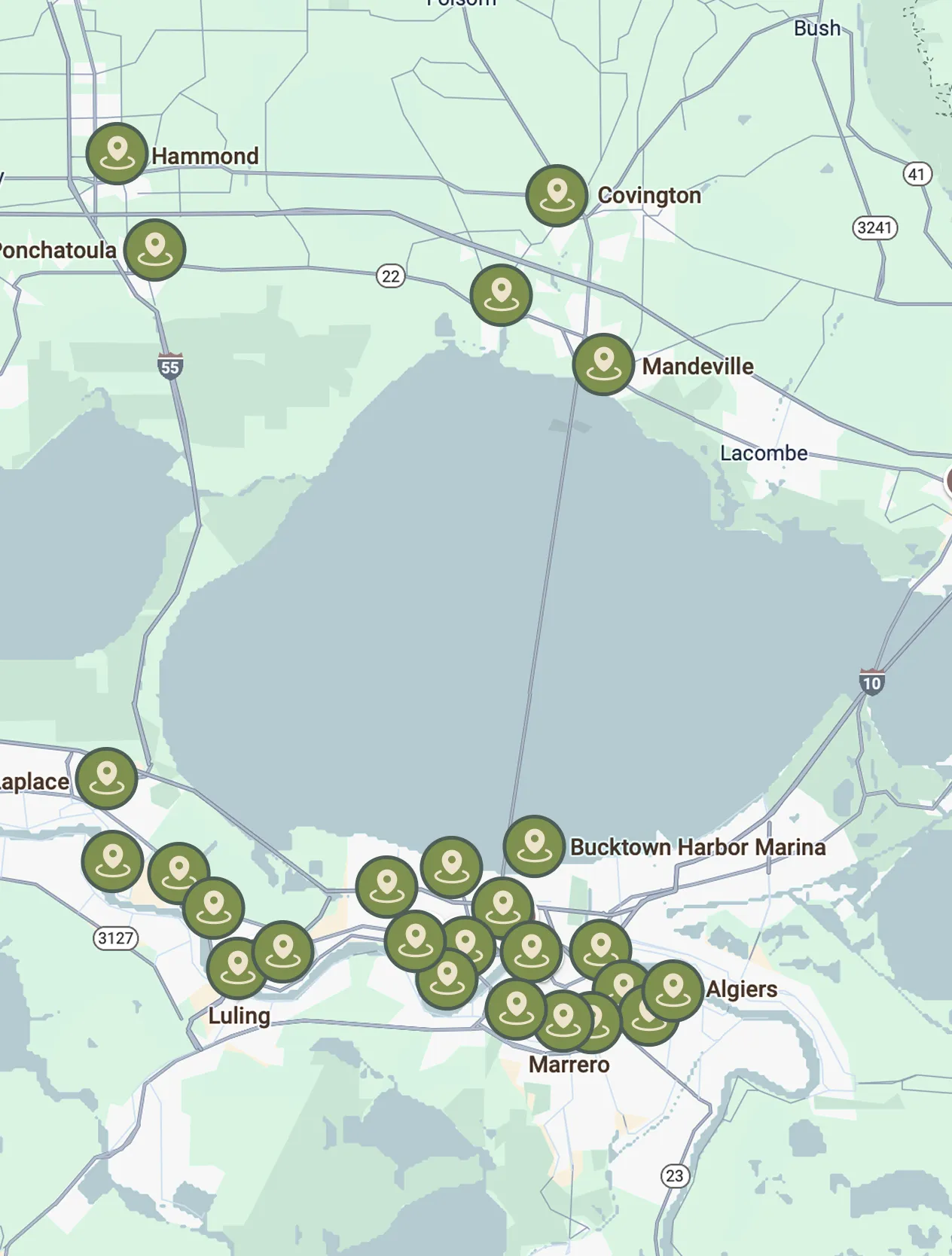
Our service areas are designed to meet the diverse needs of our clients. We focus on providing exceptional service and ensuring customer satisfaction in every location we operate.