Air Purification in Jefferson, LA
.webp)
Considering air purification for your Jefferson, LA home? It's a smart move! Indoor air quality significantly impacts your health and comfort. Whole home air purification systems from companies like Cypress Cooling can drastically reduce particles, gases, and microbes circulating in your home. We understand the unique challenges in Jefferson, LA, and can help you navigate the options, from HEPA filters to electronic cleaners and APCO style systems. These systems integrate seamlessly with your existing HVAC equipment. Cypress Cooling provides expert installation, thorough diagnostic checks, and clear maintenance schedules. Expect noticeable improvements in allergy and asthma symptoms, leading to overall better indoor comfort when you choose the right system and maintain it properly.
jpg.webp)
Air Purification in Jefferson, LA
Indoor air quality matters in Jefferson, LA. High humidity, seasonal pollen, mold growth after heavy rains or flooding, and year-round use of HVAC systems combine to create persistent indoor pollutants that affect allergy and asthma sufferers, families with young children, and anyone sensitive to odors and VOCs. Whole-home air purification and filtration systems provide a reliable way to reduce particles, gases, and biological contaminants throughout your living space. This page explains the most effective systems, how they work with existing HVAC equipment, installation and maintenance expectations, and the measurable improvements you can expect for Jefferson homes.
Common air quality challenges in Jefferson, LA
- High humidity and frequent storms, which promote mold and mildew growth in attics, crawlspaces, and ductwork
- Seasonal pollen and outdoor allergens that enter homes through doors, windows, and HVAC intake
- Pet dander and household dust that build up in carpeting and upholstery
- VOCs from household cleaners, building materials, and renovation projects
- Odors and smoke infiltration during nearby fires or outdoor events
Understanding these local drivers helps select the right whole-home combination of filtration and air purification to address both particles and gases.
Types of whole-home air purification and what they do
- HEPA filtration
- What it does: Captures airborne particles down to 0.3 microns with high efficiency.
- Best for: Smoke, pollen, pet dander, and dust. HEPA stands provide hospital-grade particle removal when properly integrated.
- Electronic air cleaners (electrostatic precipitators)
- What it does: Charges and collects particles on plates or filters for high particle removal without large pressure drop.
- Best for: Fine particles and dust that pass through lower-efficiency filters. Requires periodic cleaning of collector cells.
- Activated carbon filtration
- What it does: Adsorbs gases, odors, and many VOCs.
- Best for: Cooking smells, tobacco smoke, chemical odors, and VOC reduction. Media life depends on exposure levels.
- Whole-home systems like APCO X and combined technologies
- What it does: Uses a combination of photocatalytic oxidation, activated carbon, and other processes to target VOCs, odors, and microbes while also working with mechanical filtration for particles.
- Best for: Homes wanting comprehensive treatment of particles, gases, and biological contaminants across the entire ducted HVAC system.
How whole-home systems integrate with HVAC equipment
Whole-home units are typically installed at the air handler or in the return-air duct. Integration considerations include:
- Sizing the purifier to match the HVAC airflow to avoid excessive static pressure or reduced system efficiency.
- Placement relative to the furnace or air handler to maximize distribution of treated air to all living spaces.
- Compatibility with existing filters: many systems use a staged approach with a pre-filter, HEPA or electronic purifier, and final carbon media.
- Electrical and control integration so the purifier operates when the HVAC fan runs for continuous circulation, or on demand through dedicated controls.
Proper integration preserves HVAC performance and ensures air changes per hour (ACH) are sufficient for whole-home coverage.
Installation and diagnostic process
- Initial assessment: A technician evaluates your home layout, HVAC equipment, duct condition, and specific indoor air concerns like allergies or odors.
- IAQ testing: Baseline measurements for particulates (PM2.5), relative humidity, and VOCs are commonly taken to quantify existing conditions.
- System selection: Based on airflow needs, contaminant profile, and duct layout, the most appropriate combination of HEPA, electronic, carbon, or APCO-style systems is selected.
- Professional installation: Includes mounting the unit, ensuring airtight duct connections, verifying electrical and control wiring, and balancing airflow if needed.
- Post-install testing: Performance verification with particle counters and VOC meters demonstrates the change in indoor air quality.
A professional installation protects equipment warranties and maximizes the system lifespan and effectiveness.
Maintenance expectations and routine care
- Filter replacement schedules:
- HEPA or high-efficiency filters typically replaced every 6 to 12 months depending on use and pollutant load.
- Pre-filters often changed every 1 to 3 months to protect downstream media.
- Activated carbon cartridges generally replaced every 6 to 12 months; heavily odor-laden environments may require more frequent changes.
- Electronic collector cell cleaning: Clean 1 to 4 times per year depending on accumulation.
- Photocatalytic/UV components: Some bulbs or catalytic media require annual inspection and periodic replacement per manufacturer guidance.
- HVAC coordination: Routine coil and duct cleaning improves overall IAQ and system efficiency.
Regular maintenance preserves efficiency, reduces operating cost, and maintains advertised particle and VOC reduction performance.
Performance metrics and expected improvements
- HEPA filtration: Captures up to 99.97 percent of particles 0.3 microns in a properly configured system when used with appropriate sealing and airflow.
- Particle concentration reductions: Many whole-home systems achieve 60 to 90 percent reductions in airborne particle counts for PM2.5 and larger when sized correctly and used continuously. Actual results depend on sources, ventilation, and house tightness.
- VOC and odor reduction: Activated carbon and APCO-style systems can reduce VOC concentrations significantly; effectiveness varies with media volume, contaminant type, and air change rates.
- Measurable outcomes: Baseline and post-install IAQ testing commonly shows lower PM2.5, reduced pollen counts, decreased VOC readings, and improved relative humidity management when the HVAC is used with filtration and dehumidification.
These metrics give a realistic expectation of air quality improvements for Jefferson homes, especially when systems are paired with humidity control and good ventilation practices.
Benefits for allergy and asthma sufferers
- Fewer airborne triggers: Reduced pollen, pet dander, and dust lowers exposure that can cause sneezing, congestion, and asthma attacks.
- Better indoor comfort: Less dust buildup on surfaces and improved odor control increase overall livability.
- Complementary approach: Whole-home purification works alongside medical treatment and household cleaning to reduce symptom frequency and intensity.
- Long-term protection: Continuous operation during high pollen seasons and humid months helps prevent mold spore buildup in ducts and living spaces.
Warranties, manufacturer partnerships, and payment options
Many whole-home systems are installed by manufacturer-approved technicians to preserve warranties and ensure correct setup. Manufacturers typically provide technical documentation on media life and service intervals. Financing for equipment and installation is commonly available through third-party programs to spread upfront costs over time. These options allow homeowners to choose systems that align with budget and performance needs without sacrificing long-term reliability.
Practical tips for Jefferson homeowners
- Address humidity first: Controlling indoor humidity below 50 percent reduces mold and dust mite growth, improving purification effectiveness.
- Seal ducts and improve insulation: Minimizing unconditioned air infiltration helps purifiers work more efficiently.
- Use continuous fan mode during high-pollen days: Running the HVAC fan circulates treated air and filters out outdoor allergens faster.
- Schedule seasonal maintenance: Before summer humidity spikes and after storm seasons, inspect filters and ductwork.
Whole-home air purification in Jefferson, LA offers measurable relief from allergens, odors, and airborne pollutants when systems are professionally selected, installed, and maintained. Choosing the right combination of HEPA filtration, activated carbon, electronic cleaners, or APCO-style whole-home systems tailored to local conditions delivers the best results for health and indoor comfort.
OUR CLIENTS HAVE TO SAY ABOUT US



Service areas
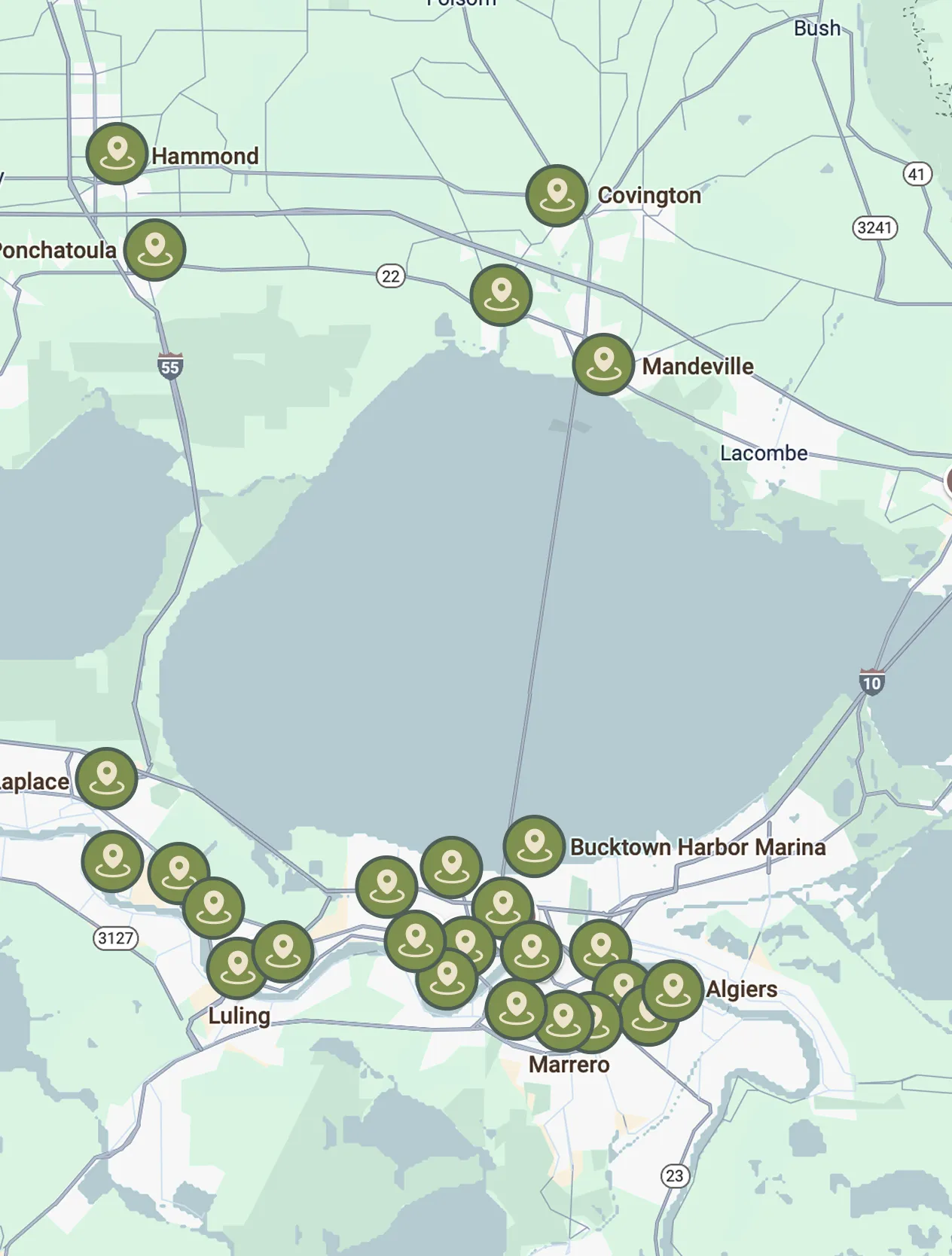
Our service areas are designed to meet the diverse needs of our clients. We focus on providing exceptional service and ensuring customer satisfaction in every location we operate.