Air Purification in Hammond, LA
.webp)
Hammond homeowners looking to improve their indoor air quality can rely on Cypress Cooling for a tailored air purification approach. We understand the challenges posed by humid summers, seasonal pollen, and occasional smoke. Our comprehensive services include whole home filtration, portable units, and a review of core technologies like HEPA filtration, activated carbon, electronic precipitators, APCO style systems, and hybrid solutions. We'll explain how each system works, where it installs, and how it seamlessly integrates with your existing furnaces and air handlers. Cypress Cooling also provides guidance on maintenance, sizing considerations, and realistic expectations for performance and long term reliability. Let us help you assess your needs, budget, and create a practical maintenance plan.
PNG.webp)
Air Purification in Hammond, LA
Living in Hammond, LA means dealing with high humidity, seasonal pollen, and periods of elevated outdoor pollution that push allergens and odors into your home. Whole-home and point-of-use air purification can significantly improve indoor air quality, reduce allergy and asthma triggers, and limit mold growth after heavy rains or storm events. This page explains the most effective technologies for Hammond homes, how they work, how they integrate with existing HVAC systems, and what maintenance to expect so you can decide with confidence.
Common indoor air issues in Hammond, LA
- High indoor humidity that promotes mold and dust mite growth
- Seasonal pollen from grasses, oak, and ragweed causing year-round allergies
- Volatile organic compounds (VOCs) from household products and recent renovations
- Cooking and pet odors that linger in open-plan homes
- Smoke and particulates after outdoor burning or regional fire events
- Older HVAC systems with insufficient filtration allow outdoor pollutants indoors
Air purification options and how they work
Choosing the right system depends on your goals: particle removal, odor/VOC control, microbial reduction, or a combination. Below are the core technologies used in whole-home and portable systems.
- HEPA filtration (High Efficiency Particulate Air)
- How it works: Mechanical filter media traps 99.97% of particles down to 0.3 microns when properly installed and sized.
- Best for: Allergens (pollen, pet dander), dust, smoke particulates, and many mold spores.
- Considerations: Whole-home HEPA requires a compatible duct cabinet or dedicated bypass because HEPA media creates higher airflow resistance than typical furnace filters.
- Activated carbon filtration
- How it works: Porous carbon adsorbs gases and odors including VOCs, cooking smells, and some tobacco or smoke odors.
- Best for: Odor control, chemical smells from paints or cleaners.
- Considerations: Carbon capacity is finite; saturated carbon must be replaced regularly for continued effectiveness.
- Electronic air cleaners and electrostatic precipitators
- How it works: Charged plates or fields charge particles and collect them on oppositely charged plates or on filters.
- Best for: Fine particles and smoke; low-pressure drop options exist for whole-home integration.
- Considerations: Some electronic purifiers can generate low levels of ozone. Choose certified designs and follow manufacturer guidance if ozone sensitivity is a concern.
- Photocatalytic oxidation systems (APCO-style whole-home systems)
- How it works: UV light combined with a catalytic surface oxidizes VOCs, bacteria, and odors into less harmful compounds.
- Best for: Reducing VOCs, odors, and microbial contaminants in the airstream.
- Considerations: Often used alongside mechanical filtration for complete protection; effectiveness depends on airflow and system design.
- Point-of-use (portable) purifiers
- How it works: Portable units combine HEPA, activated carbon, and sometimes UV or ionization to clean air in a single room.
- Best for: Targeted relief in bedrooms, living rooms, or home offices without modifying ductwork.
- Considerations: Sizing matters. Look for Clean Air Delivery Rate (CADR) matched to room square footage.
Whole-home vs point-of-use: what fits Hammond homes
- Whole-home systems
- Installed in the return plenum or air handler, these condition all the air circulated by your HVAC system.
- Pros: Continuous protection for every room, often quieter, less maintenance hassle for occupants.
- Cons: Requires professional assessment for compatibility with existing furnace/AC and may need modifications to avoid excessive static pressure.
- Good choice if you want broad reduction of pollen, dust, mold spores, and odors across the entire home.
- Point-of-use systems
- Portable units or in-vent devices work well for focused needs like bedrooms or high-use living areas.
- Pros: Lower upfront complexity, mobile, easy to install.
- Cons: Do not protect rooms without a unit and may be less convenient for whole-house problems like pervasive humidity-driven mold spore loads.
Installation and integration with existing HVAC
- Professional evaluation: A technician will assess furnace/air handler capacity, duct layout, and static pressure limits.
- Placement: Whole-home filters are commonly installed at the return plenum or inside a dedicated filtration cabinet upstream of the air handler.
- Static pressure: High-efficiency media like HEPA can reduce airflow if not installed with compensating fan capacity or bypass design. MERV 13-16 media is often a practical compromise for homes where true HEPA is not feasible without equipment upgrades.
- Humidity management: In Hammond’s humid climate, pairing air purification with proper humidity control helps prevent mold and dust mite growth. Consider combined approaches - filtration plus dehumidification - for the best results after storms or high-moisture events.
Maintenance and filter replacement guidance
- Mechanical filters (MERV 8-13): Inspect monthly; replace every 3 months or sooner in high-dust/pollen seasons.
- HEPA filters (portable or in-cabinet): Replace every 6-12 months depending on usage and pollutant load.
- Activated carbon filters: Replace every 3-6 months for high-odor or high-VOC environments; lower exposure can extend life.
- Electronic cells and precipitator plates: Clean according to manufacturer intervals, typically every 1-3 months; professional deep cleaning annually.
- UV lamps and APCO-style components: UV lamps generally need replacement annually to maintain germicidal output; catalyst surfaces may require periodic service.
- System checks: Annual HVAC service should include filter system inspection, airflow testing, and any necessary adjustments to maintain efficiency and ensure effective purification.
Common issues and troubleshooting
- Reduced airflow after upgrade: Likely high static pressure from thicker media. Solution: verify correct cabinet or fan capacity and consider a staged upgrade.
- Persisting odors: Activated carbon may be saturated; replace carbon media and check for underlying moisture or mold sources.
- Ozone concerns: If occupants report respiratory irritation with electronic cleaners, verify ozone emissions and consider switching to non-ozone-generating technologies.
- Inconsistent performance: Check that bypasses or returns are not oversized and that portable units are appropriately sized for the room.
Health and long-term benefits for Hammond homes
Effective air purification can reduce allergy symptoms, decrease asthma flare-ups, lower exposure to VOCs and pathogens, and improve sleep and overall comfort. For Hammond residents, the combined threat of high humidity, seasonal pollen, and episodic smoke or odor events means a layered approach - mechanical filtration for particles plus activated carbon or photocatalytic systems for gases - often yields the best, measurable results. Regular maintenance and proper system sizing ensure long-term performance and indoor air quality stability through humid summers and storm seasons.
Selecting the right mix of whole-home and point-of-use solutions, and integrating them properly with your HVAC system, delivers reliable indoor air improvements tailored to the environmental realities of Hammond, LA.
OUR CLIENTS HAVE TO SAY ABOUT US



Service areas
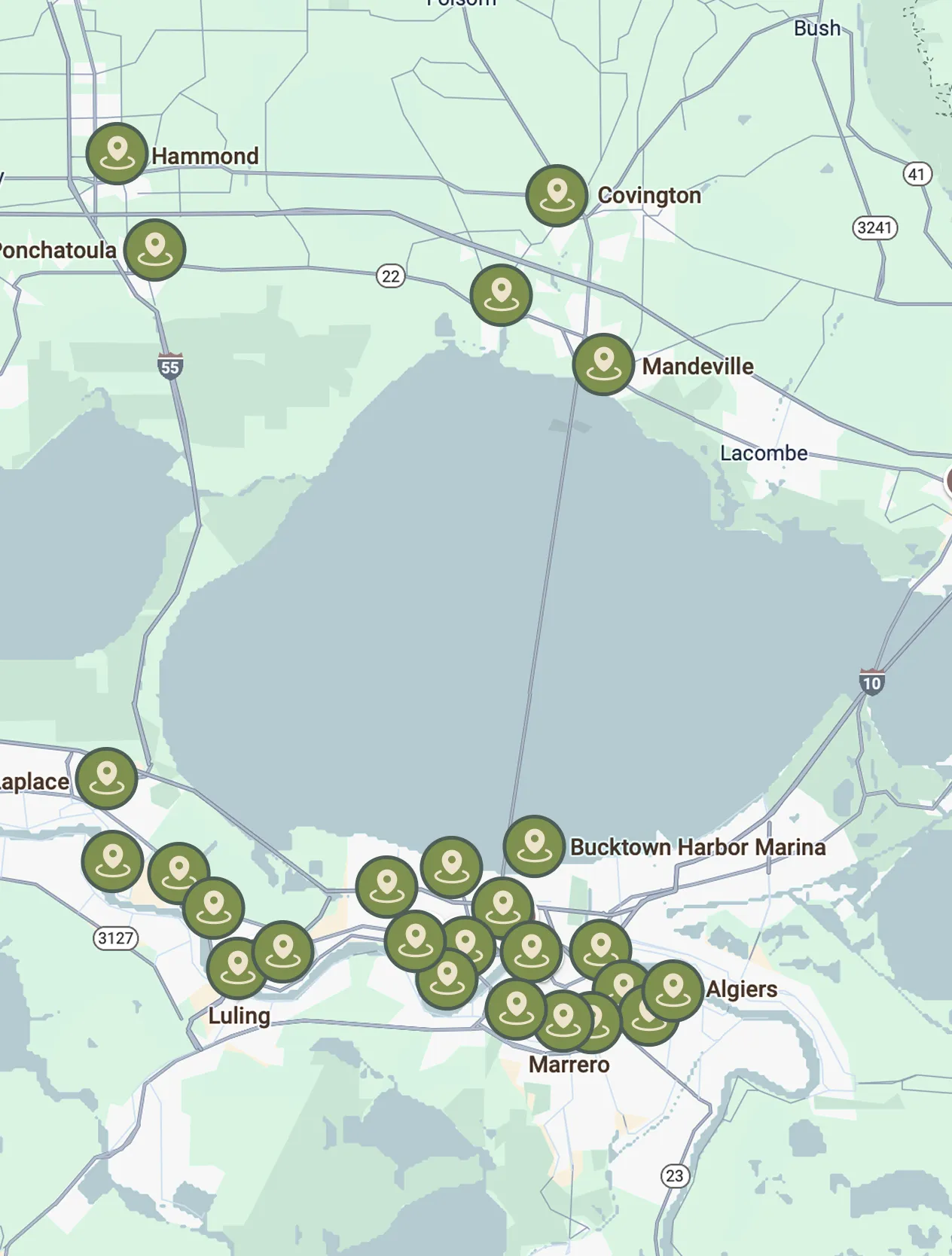
Our service areas are designed to meet the diverse needs of our clients. We focus on providing exceptional service and ensuring customer satisfaction in every location we operate.