Air Purification in Gretna, LA
.webp)
Cypress Cooling understands the importance of clean air in Gretna, LA. That's why we offer a layered approach to improving your indoor air quality, combining in duct, whole home filtration with portable purifiers for targeted rooms. We'll help you identify problem sources like humidity, pollen, VOCs, and odors, and then outline technology options such as HEPA filters, activated carbon filters, APCO systems, and UV lights. We also specialize in ensuring compatibility with Amana/Goodman equipment. Our typical assessment and installation workflow is designed for minimal disruption, and we provide clear maintenance schedules. Many of our Gretna customers, especially those with allergies and asthma, experience significant daily relief with our air purification solutions.
jpg.webp)
Air Purification in Gretna, LA
Clean indoor air is essential in Gretna, LA where high humidity, seasonal pollen, and older housing stock combine to create elevated levels of allergens, mold spores, and odor-causing contaminants. Whether you want whole-home solutions tied into your central HVAC or targeted room purifiers, the right air purification strategy reduces particulate load, lowers irritants that trigger asthma and allergies, and improves overall indoor comfort. This page explains how in-duct systems and standalone purifiers work, what technologies are most effective in this region, installation and maintenance expectations, and what a professional assessment typically covers.
Common indoor air problems in Gretna, LA homes
- High humidity and mold: Gulf Coast humidity encourages mold growth in attics, crawlspaces, and HVAC coils, releasing spores into living spaces.
- Seasonal pollen and outdoor particulates: Spring and fall pollen, plus dust from nearby construction or riverbank activity, increase airborne particles.
- Pet dander and household particulates: Homes with pets or heavy foot traffic see elevated dander and dust levels that aggravate allergies.
- Odors and VOCs: Cooking, renovations, and chemicals introduce volatile organic compounds (VOCs) and lingering smells that ordinary filters don’t remove.
- Poor ventilation and aged ductwork: Leaky ducts and undersized systems reduce effective filtration and distribute contaminants throughout the home.
Air purification options: whole-home vs localized solutions
Understanding the scope of coverage you need is the first step.
Whole-home (in-duct) systems
- Installed directly in the return or supply ductwork and clean air as it circulates through your existing Amana or Goodman HVAC system.
- Common technologies: high-efficiency media filters (MERV-rated), in-duct HEPA banks, activated carbon modules for VOCs, UV or APCO-style systems for microbes and odor reduction.
- Pros: Continuous, whole-home coverage; out of sight; integrates with existing HVAC.
- Cons: Higher upfront cost and requires proper sizing and professional installation to avoid airflow issues.
Standalone (portable) purifiers
- Room-focused HEPA and carbon units that plug into outlets and are sized by Clean Air Delivery Rate (CADR).
- Pros: Immediate deployment, effective in bedrooms or living rooms, lower cost for single-room relief.
- Cons: Limited coverage; multiple units may be needed for whole-home air quality.
Hybrid approaches
- Combining an in-duct system for whole-home particulate control with portable units in bedrooms for targeted allergen reduction is a common and effective strategy.
Key purification technologies explained
- HEPA filtration: Captures 99.97% of particles down to 0.3 microns (pollen, pet dander, many mold spores). Ideal for allergy and asthma sufferers.
- Activated carbon: Adsorbs odors, smoke, and many VOCs that mechanical filters cannot capture. Useful in kitchen-heavy homes or after renovations.
- APCO-style advanced systems: Use UV light with catalytic media to neutralize microbes, VOCs, and odors. These systems work best as part of a layered IAQ approach and are often installed in-duct for continuous treatment.
- UV germicidal lights: Target microorganisms on coils and in airflow pathways to reduce mold and bacterial growth on HVAC components.
- MERV-rated media filters: Available in varying efficiencies; upgrading to a higher MERV improves particle capture but requires checking HVAC compatibility to prevent airflow restriction.
Compatibility with Amana and Goodman equipment
Most Amana and Goodman furnaces and air handlers use standard plenum sizes and electrical interfaces, making them compatible with a wide range of in-duct purifiers and UV/APCO-style modules. Key compatibility checks include:
- Return plenum dimensions and available space for a media or HEPA bank.
- Blower capacity and static pressure margin to ensure a higher-efficiency filter will not restrict airflow.
- Control wiring and transformer capacity for UV lights or powered purifiers.
A professional inspection verifies fit, electrical requirements, and whether any adjustments to the air handler or ductwork are necessary.
Typical assessment and installation process (what to expect)
A standard air quality assessment and installation process includes:
- Initial walkthrough to identify problem areas, occupancy patterns, pets, and sources of odors.
- HVAC compatibility check for Amana/Goodman model and duct configuration.
- Baseline testing when needed: particle counter for PM2.5/PM10, humidity measurement, and VOC sensor readings.
- Recommendation of systems based on square footage, ACH goals (air changes per hour), and health priorities (allergies, odor control, microbial reduction).
- Professional installation: mounting in-duct units, sealing connections, integrating controls, and commissioning the system.
- Post-installation testing: verify airflow, measure static pressure, and confirm system operation without adverse effects on heating/cooling performance.
Maintenance, filter replacement, and service intervals
Maintenance frequency varies with technology and local conditions:
- HEPA and high-efficiency media filters: typically replaced every 6 to 12 months; high particulate loads or pets may require more frequent changes.
- Pre-filters: 1 to 3 months to protect high-efficiency media and prolong life.
- Activated carbon cartridges: 3 to 6 months for heavy odor/VOC conditions; under lighter use they may last up to 12 months.
- APCO-style or catalytic media cartridges and UV bulbs: manufacturers often recommend annual checks and periodic cartridge replacement, with UV bulbs commonly changed every 9 to 12 months.
- Ductwork and coil cleaning: inspected annually and cleaned as needed to reduce microbial sources and maintain airflow.
Factors such as local pollen seasons, hurricane-related debris, or indoor smoking will shorten service intervals. Running purifiers continuously during high-allergen months and scheduling seasonal HVAC tune-ups maximizes performance.
Performance metrics and expected benefits for allergy and asthma sufferers
- Measurable reductions in particulate counts (PM2.5/PM10) and allergen load with HEPA-level filtration.
- Noticeable improvement in odor and VOC levels with activated carbon or APCO-style media.
- Reduced mold spore recirculation when paired with proper humidity control and UV-treated coils.
- Better symptom control for allergy and asthma sufferers: fewer nighttime disturbances, reduced coughing, and less reliance on symptom management.
Look for system specifications such as MERV rating, HEPA certification, CADR for portable units, and manufacturer guidance on expected air changes per hour to align expectations with performance.
Long-term indoor air strategy for Gretna homes
A layered approach works best in the humid, pollen-prone environment of Gretna: source control (reduce indoor moisture and pollutant generation), upgraded filtration in the HVAC system, targeted portable purifiers for bedrooms, and periodic professional maintenance of ducts and coils. Consistent attention to filter replacement, humidity management, and seasonal checks ensures reliable performance and sustained relief for allergy and asthma households.
This information outlines practical whole-home and localized air purification options, what technologies do, how they integrate with common Amana/Goodman systems, and what ongoing care looks like in Gretna, LA homes.
OUR CLIENTS HAVE TO SAY ABOUT US



Service areas
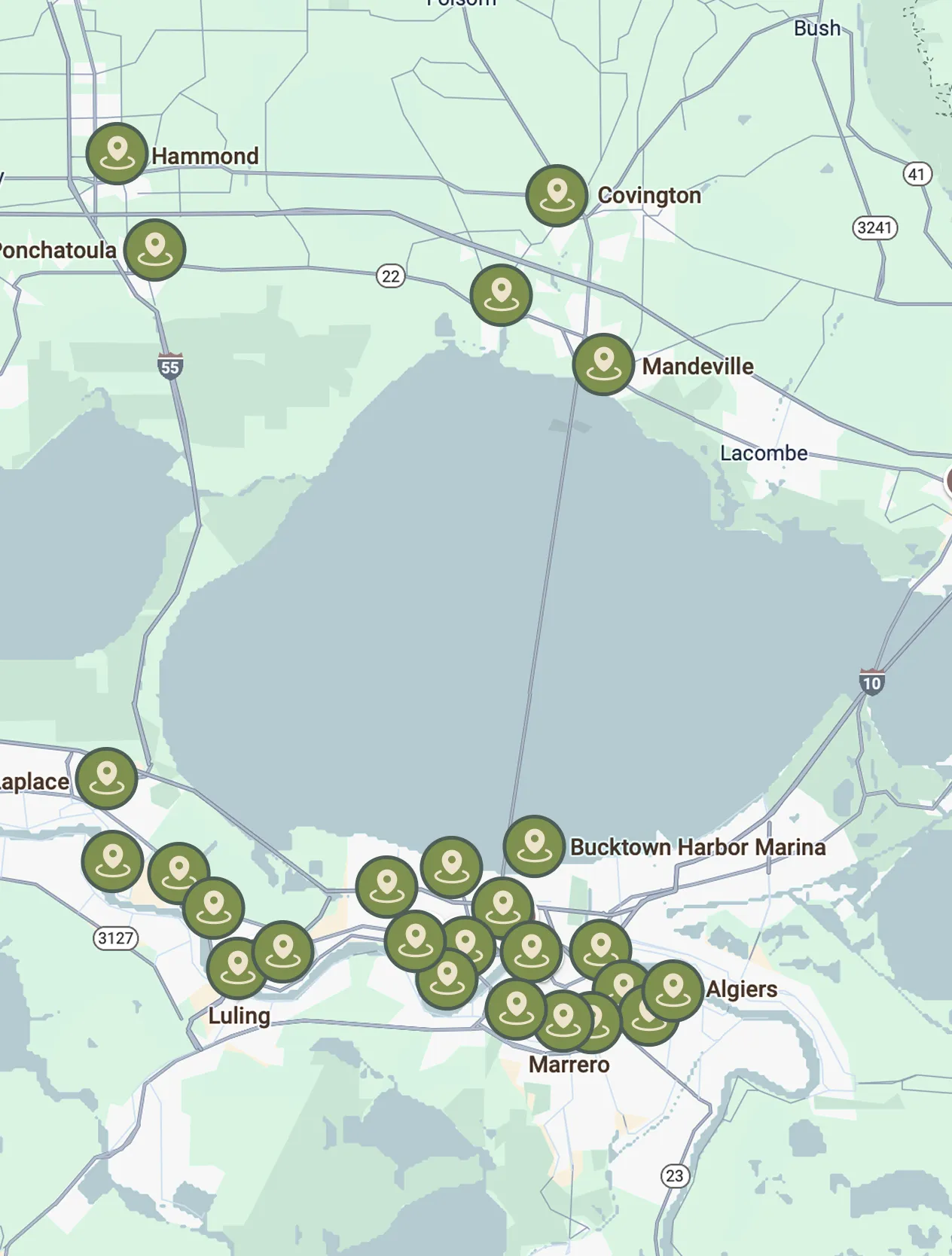
Our service areas are designed to meet the diverse needs of our clients. We focus on providing exceptional service and ensuring customer satisfaction in every location we operate.