Air Purification in Destrehan, LA
.webp)
In Destrehan, LA, air purification is essential to combat pollen, humidity, smoke, VOCs, and odors. Cypress Cooling offers both whole home and point of use options to address these concerns effectively. We'll explain technologies such as HEPA, high MERV filters, electronic cleaners, UV/PCO, APCO, and activated carbon, detailing how each targets specific pollutants. From installation considerations and HVAC integration to performance metrics like CADR and ACH, we cover all the key aspects. We'll also help you understand maintenance needs and cost considerations. Cypress Cooling helps homeowners choose systems based on allergies, mold risk, and odors, balancing effectiveness with budget and home size. Breathe easier with Cypress Cooling.
PNG.webp)
Air Purification in Destrehan, LA
Keeping indoor air clean in Destrehan, LA matters year-round. Warm, humid conditions, seasonal pollen, nearby river and industrial influences, and occasional wildfire or traffic smoke can all degrade indoor air quality. Whether you are managing asthma, allergies, pet dander, smoke intrusion, or lingering odors from construction or flood moisture, whole-home and point-of-use air purification options exist to address specific problems. This guide explains the technologies, how they target allergens, smoke, VOCs and odors, and how to choose, install, and maintain systems that fit Destrehan homes.
Common indoor air issues in Destrehan, LA
- Seasonal pollen and grass allergens during spring and fall that enter through open windows.
- High indoor humidity that encourages mold and mildew growth, especially after heavy rains or storms.
- Smoke and soot from regional fires or traffic, which can infiltrate homes and aggravate respiratory conditions.
- Volatile organic compounds (VOCs) and odors from renovations, new furnishings, cleaning products, and occasional industrial emissions.
- Pet dander, dust mites, and general household particulates in older or poorly sealed homes.
Understanding your primary concerns helps determine whether you need a whole-home solution tied to your HVAC system, point-of-use units for specific rooms, or a combination.
Air purification technologies explained
Below are the main options used in modern residential settings, and how each addresses common pollutants.
- HEPA filtration (true HEPA H13/H14)
- How it works: Mechanical filtration that captures 99.97% or more of particles down to 0.3 microns (efficiency varies by HEPA class).
- Best for: Allergens, dust, pet dander, and smoke particulates.
- Considerations: Whole-home HEPA often requires a dedicated bypass or a compatible in-duct solution to avoid excessive HVAC static pressure. Point-of-use HEPA portable units are effective in bedrooms and living spaces.
- High-efficiency HVAC filters (MERV-rated)
- How it works: Fiberglass or pleated filters rated by MERV value for capturing different particle sizes.
- Best for: Routine particulate reduction across entire home when the filter is compatible with existing HVAC fan capacity.
- Considerations: Higher MERV improves capture but can strain older systems if not sized properly.
- Electronic air cleaners and electrostatic precipitators
- How it works: Ionize or electrically charge particles so they collect on plates or surfaces.
- Best for: Fine particles and smoke when properly maintained.
- Considerations: Some types can produce small amounts of ozone. Regular cleaning of collector plates is required for consistent performance.
- UV and photocatalytic oxidation (PCO)
- How it works: UV lamps deactivate biological contaminants (mold, bacteria) and, in PCO systems, UV plus a catalyst breaks down VOCs.
- Best for: Controlling microbial growth in ductwork and reducing certain VOCs and odors.
- Considerations: UV is not a standalone solution for particulates. Photocatalytic effectiveness varies with design and airflow.
- APCO and advanced photocatalytic systems
- How it works: Combines catalytic oxidation and filtration to reduce VOCs, odors, and microbes without producing harmful byproducts.
- Best for: Homes with persistent odors, off-gassing from materials, or chronic VOC exposure.
- Considerations: Often integrated in-duct for whole-home coverage.
- Activated carbon and specialty media
- How it works: Adsorption media capture gases, VOCs, and odors.
- Best for: Smoke smell, cooking odors, chemical off-gassing.
- Considerations: Media must be replaced periodically; performance depends on contact time and media volume.
Whole-home vs point-of-use: which to pick
- Whole-home (in-duct) systems
- Pros: Continuous protection across all rooms, integrates with HVAC, convenient filter/lamp access when installed correctly.
- Best for: Families with multiple occupants, central HVAC systems, chronic allergy or asthma across the household.
- Point-of-use (portable) units
- Pros: Targeted treatment, lower initial cost, portable to where you spend most time.
- Best for: Bedrooms, home offices, or small apartments, or homes without compatible duct systems.
Sizing is critical: look at cubic feet per minute (CFM), air changes per hour (ACH), and CADR numbers for room units to ensure effective pollutant removal.
Installation and HVAC integration
- Professional assessment should confirm HVAC fan capacity, duct layout, and static pressure tolerance before adding high-efficiency filters or in-duct purifiers.
- Placement matters: return-air locations near common pollutant sources increase effectiveness. For whole-home systems, the main return is typically best.
- Electrical needs: Electronic and UV systems require safe, code-compliant wiring and accessible service panels for lamp or cell replacement.
- Duct sealing and attic insulation reduce uncontrolled outdoor air that brings in pollen and humidity, improving overall system performance.
Performance metrics and certifications to look for
- CADR (Clean Air Delivery Rate) indicates how quickly a portable unit reduces specific particles.
- ACH (Air Changes per Hour) helps determine how often air within a space is fully treated.
- MERV ratings for HVAC filters describe particulate capture efficiency.
- HEPA designations (H13, H14) indicate strict particulate removal standards.
- Review independent testing and manufacturer performance data; check for ozone emissions that meet regulatory safety limits for electronic purifiers.
Maintenance and long-term care
- Filter replacement: HEPA and carbon filters typically need replacement every 6 to 12 months depending on use, pollutant load, and local conditions. HVAC prefilters may require monthly checks.
- UV lamp replacement: Most UV lamps lose effectiveness after 9 to 12 months and should be replaced per manufacturer guidance.
- Cleaning: Electronic collector plates and housings must be cleaned on schedule to maintain efficiency.
- Seasonal checks: Before peak pollen season and after storm events, inspect seals, drainage, and filter conditions to prevent mold and moisture-related issues.
Cost considerations and financing options
- Upfront cost varies by technology, unit size, and whether you require ductwork modification. Operating costs include electricity, replacement filters, and periodic lamp or cell replacements.
- Compare lifecycle costs: a lower-cost portable unit may have higher ongoing filter costs compared with a properly sized whole-home system.
- Many HVAC and indoor air quality providers offer financing or payment plans and warranties for equipment and installation. Evaluate total cost of ownership, warranty coverage, and expected filter/media replacement expenses when comparing options.
Choosing the right system for your Destrehan home
- If allergies, pets, or smoke are primary concerns: whole-home HEPA-compatible filtration plus a point-of-use HEPA unit in bedrooms.
- If VOCs or lingering odors from renovations or flood recovery are present: consider activated carbon media or APCO/PCO systems combined with HEPA filtration.
- If mold and humidity are recurring: pair HVAC humidity control and UV/PCO treatment with particulate filtration.
- For smaller homes or rentals: high-CADR portable HEPA units with carbon prefilters strategically placed in living areas and bedrooms.
Air Purification in Destrehan, LA requires solutions tailored to local climate, building characteristics, and specific health or comfort needs. Combining properly sized whole-home systems with targeted point-of-use units often delivers the best balance of performance and cost. Regular maintenance, correct installation, and attention to performance metrics ensure lasting improvement in indoor air quality and measurable relief for allergy and respiratory concerns in Destrehan homes.
OUR CLIENTS HAVE TO SAY ABOUT US



Service areas
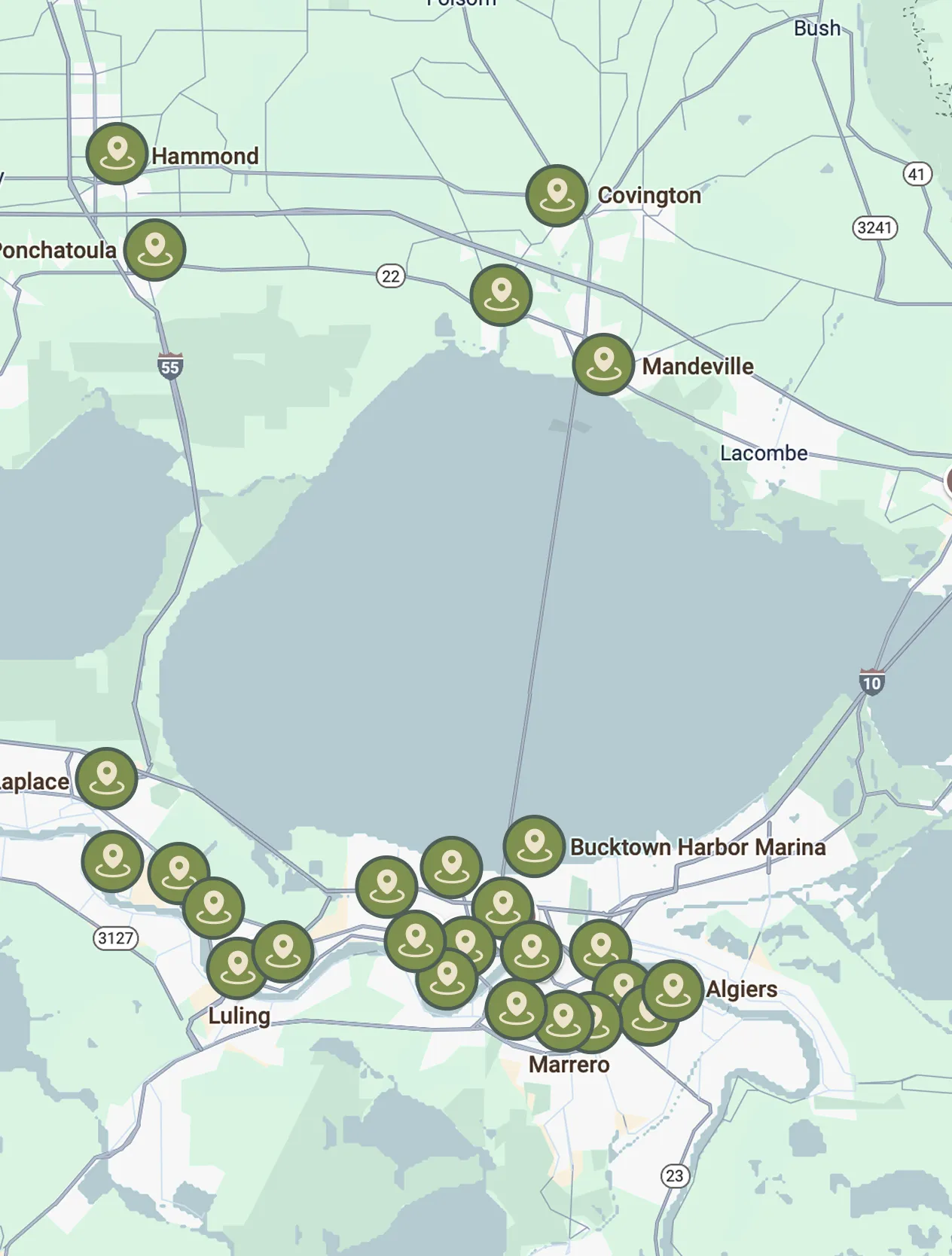
Our service areas are designed to meet the diverse needs of our clients. We focus on providing exceptional service and ensuring customer satisfaction in every location we operate.