Air Purification in Covington, LA
.webp)
Covington, LA, homeowners have a variety of air purification options to choose from, including whole home filtration systems and point of use purifiers, each designed for different needs. At Cypress Cooling, we guide you through the selection process, covering filtration technologies such as HEPA, MERV filters, APCO X, and activated carbon. We'll also explain HVAC integration and when each solution is most effective. From installation steps to maintenance plans and expected results, we provide comprehensive support. Expect fewer particulates, odors, and allergy symptoms. Cypress Cooling also offers tips for selecting the right system, balancing airflow, and planning for regular upkeep to maintain healthy, comfortable indoor air year round.
PNG.webp)
Air Purification in Covington, LA
Clean indoor air is essential in Covington, LA, where warm, humid conditions and seasonal pollen contribute to year-round allergen and mold pressure. Whether you and your family struggle with allergies, asthma, chemical sensitivities, or persistent odors, a carefully selected air purification solution—installed and integrated with your home’s HVAC—can noticeably improve comfort and health. This page explains whole-home and point-of-use options (including filtration, APCO X, and HEPA), how systems are selected and installed with existing equipment, maintenance plans and filter replacement expectations, and realistic before-and-after performance outcomes for Covington homes.
Why air purification matters in Covington, LA
- High humidity supports indoor mold growth and dust mite populations.
- Seasonal pollen (trees, grasses, weeds) and outdoor particulates from nearby urban and rural activity enter homes through doors, windows, and ventilation.
- Louisiana’s warm climate means HVAC systems run frequently, circulating indoor air and any contaminants through the ductwork.
Given these factors, targeted air purification can reduce airborne allergens, particulate load, odors, and some volatile organic compounds (VOCs), while improving perceived indoor air quality and symptom control for allergy and asthma sufferers.
Whole-home vs point-of-use: which fits your house?
Whole-home and point-of-use systems serve different needs and can be combined.
- Whole-home systems
- Installed in the HVAC return plenum or ductwork to treat all air circulated by the furnace or air handler.
- Ideal for consistent, house-wide reduction of particles and contaminants.
- Types include enhanced media filters (higher MERV ratings), in-duct HEPA-compatible solutions (with attention to system airflow), and advanced in-duct technologies such as APCO X.
- Point-of-use (standalone) purifiers
- Portable units placed in bedrooms, living rooms, or home offices.
- Useful for targeted relief in primary living spaces, supplemental air cleaning, or homes where HVAC modifications are limited.
- High-efficiency HEPA portable units excel at removing fine particles in a single room.
For many Covington homes, a combined approach—whole-home filtration for baseline control and point-of-use HEPA units for bedrooms or allergy sufferers—delivers the best balance of coverage, cost, and performance.
Filtration technologies explained
- HEPA (High Efficiency Particulate Air)
- Captures at least 99.97% of particles 0.3 microns in size, including pollen, pet dander, and many fine particles.
- Best used in dedicated units or with HVAC modifications because true HEPA filters add airflow resistance.
- MERV-rated media filters
- Standard HVAC filters are rated MERV 1–16. MERV 8–13 filters are common upgrades that capture a large portion of pollen, mold spores, and dust.
- Higher MERV filters increase particle capture but may affect blower performance if the system is not sized for the added resistance.
- APCO X (advanced photocatalytic oxidation + carbon)
- A whole-home technology that combines photocatalytic oxidation with activated carbon to reduce VOCs, odors, and certain microorganisms.
- Particularly helpful in reducing cooking and pet odors and breaking down some airborne chemical compounds common in indoor spaces.
- Activated carbon
- Adsorbs odors and many VOCs but does not remove particles; commonly paired with particle filtration for comprehensive treatment.
System selection and HVAC integration
Selecting the right system for your Covington home depends on:
- Current HVAC capacity and blower performance
- Ductwork condition and layout
- Household sensitivities (allergies, asthma, chemical sensitivities)
- Occupancy patterns and which rooms need the most protection
- Maintenance willingness (filter changes, UV lamp replacement, etc.)
Key integration considerations:
- Static pressure: Upgrading to higher MERV or adding in-duct HEPA requires assessing the system’s ability to maintain airflow. If static pressure is too high, consider a dedicated bypass HEPA or a point-of-use HEPA instead.
- Return plenum placement: In-duct modules (APCO X or UV) typically install in the return where they treat air before it passes through the blower and ductwork.
- Electrical and airflow balance: Some technologies require dedicated power or minor duct modifications; professional evaluation ensures balanced airflow and consistent performance.
Installation process (what to expect)
- Home assessment: A professional inspects your HVAC, measures static pressure and airflow, and identifies optimal locations for whole-home units or recommends point-of-use devices.
- Proposal and equipment selection: Options are explained in plain language—what each system treats, maintenance needs, and expected performance.
- Installation: Typical whole-home installations are completed in a day and involve mounting the unit in the return, connecting power, and verifying system airflow. Point-of-use units are placed and tested in the room.
- Commissioning: Technicians confirm that filters and modules are seated properly, measure airflow where needed, and explain maintenance intervals.
Maintenance and filter replacement plans
Routine maintenance is critical for consistent performance and system longevity.
- HEPA portable units
- Pre-filters: clean or replace every 1–3 months depending on use and local dust/pollen loads.
- True HEPA filters: replace typically every 6–12 months; high-usage or pet homes may need more frequent changes.
- Whole-home media filters
- MERV 8–11: replace every 3 months on average.
- MERV 12–13: consider replacing every 2–3 months in high pollen or pet homes; monitor pressure drop.
- APCO X and similar modules
- Carbon cartridges and photocatalytic elements require periodic replacement on a schedule based on manufacturer guidance—commonly every 12–24 months.
- UV lamps (if present) generally need replacement around annual intervals to maintain efficacy.
- Recommended plans
- Regular inspection (annual or semi-annual) of filter seating, duct cleanliness, and module operation.
- Seasonal adjustments in Covington: increase attention during spring pollen season and warm, humid months when mold pressure rises.
Realistic before-and-after expectations
- Particle reduction
- Portable HEPA units produce significant particle count reductions in a single room—noticeable within hours.
- Whole-home upgrades (MERV 11–13 or APCO X combined with media filtration) reduce airborne particulates throughout the house and improve HVAC coil cleanliness.
- Allergy and asthma symptom relief
- Many residents report reduced nasal and respiratory symptoms after improved filtration, especially during high pollen months. Results vary by individual sensitivity and source control (e.g., pet dander, smoking, indoor moisture).
- Odors and VOCs
- Activated carbon and APCO X reduce household odors and many VOCs more effectively than particle-only filters, improving perceived freshness.
- Limits to expect
- No single system eliminates all contaminants instantly. Source control (keeping windows closed during peak pollen, controlling humidity, cleaning bedding) plus filtration provides the best outcome.
- Filtration does not replace ventilation needs for CO2 or humidity control; dehumidification and proper ventilation remain part of a complete indoor air strategy for Covington homes.
Manufacturer features to consider
When comparing systems, look for:
- Certified HEPA performance and verified MERV ratings
- Smart monitoring or filter life indicators for timely maintenance
- Energy-efficient fans and low-operating-cost designs
- Combination stages (particle + carbon + photocatalytic) for broad contaminant coverage
- Serviceable modules with straightforward replacement parts
Maintenance tips specific to Covington homes
- Monitor and control indoor humidity year-round to reduce mold and dust mite activity.
- Change HVAC filters more frequently during spring pollen peaks and summer months.
- Use point-of-use HEPA units in bedrooms where allergy sufferers spend most time.
- Seal gaps around doors and windows to limit pollen ingress on windy spring days.
Upgrading air purification is a practical step for Covington residents seeking measurable improvements in indoor air quality and symptom relief. With the right combination of whole-home filtration, targeted HEPA units, and routine maintenance, many homeowners achieve clearer air and greater comfort throughout the year.
OUR CLIENTS HAVE TO SAY ABOUT US



Service areas
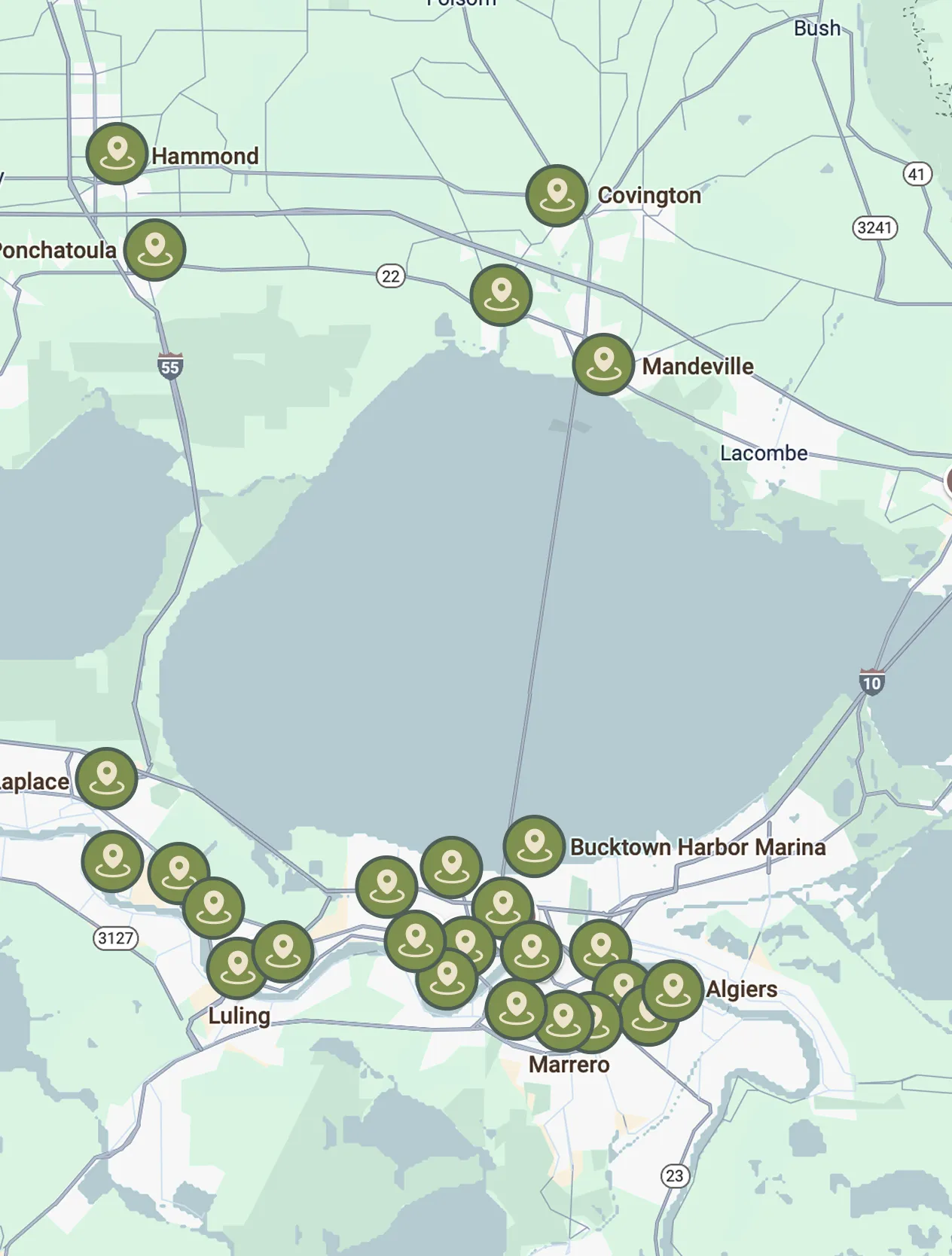
Our service areas are designed to meet the diverse needs of our clients. We focus on providing exceptional service and ensuring customer satisfaction in every location we operate.