Air Purification in Algiers, LA
.webp)
For homeowners in Algiers, LA, achieving truly clean indoor air requires a strategic approach. At Cypress Cooling, we understand the unique challenges of humidity, odors, VOCs, and allergens in our local climate. That's why we offer a range of air purification options, from integrated HVAC systems to standalone units and advanced APCO style hybrids. This includes comparing technologies like HEPA filtration, activated carbon, and electrostatic purifiers. We'll also explain the maintenance needs, installation considerations, and how to choose the right solution for your central air system or individual rooms. The benefits extend beyond just health and comfort; improved air quality can also boost the efficiency of your HVAC system. Let us help you decide on the best approach for your home.
PNG.webp)
Air Purification in Algiers, LA
Clean indoor air matters in Algiers, LA. With New Orleans’ hot, humid climate, seasonal pollen, and the West Bank’s older housing stock, homes here face elevated levels of mold spores, dust, cooking and pet particulates, and lingering odors after storms or renovations. Whole-home and point-of-use air purification options remove allergens, odors, VOCs, and pathogens — improving comfort, reducing allergy and asthma triggers, and protecting indoor air quality after humid weather or water intrusion.
Common indoor air problems in Algiers homes
- High humidity and mold spores: Humid summers and occasional flooding increase mold and bacterial growth in attics, crawlspaces, and ductwork.
- Seasonal pollen and outdoor particulates: Spring and fall pollen infiltrates older windows and doors.
- Odors and VOCs: VOCs from paint, household cleaners, new flooring, or humidity-driven off-gassing are common after renovations or storm repairs.
- Particulate pollution: Cooking, candles, tobacco smoke, and pet dander cause persistent airborne particles, especially in homes without efficient filtration.
- Pathogens and biologicals: Close living spaces and high humidity can raise risk for airborne viruses, bacteria, and fungal spores.
Types of air purification technologies and how they help
Understanding the strengths and limits of each technology makes it easier to choose the right system for your priorities.
- HEPA filtration (whole-home or portable)
- What it does: Removes at least 99.97% of particles 0.3 microns and larger, including pollen, dust, pet dander, and many respiratory aerosols.
- Best for: Allergies and particulate reduction.
- Limitations: Standard HVAC blowers may not support true HEPA without modifications; in-duct HEPA requires professional design to maintain airflow.
- Activated carbon / catalytic carbon
- What it does: Adsorbs odors, smoke, and many volatile organic compounds (VOCs).
- Best for: Cooking smells, smoke, renovation off-gassing, and homes with chemical sensitivities.
- Limitations: Carbon capacity is finite and requires periodic replacement.
- Electronic/ionizing purifiers and electrostatic precipitators
- What it does: Charge particles so they collect on plates or surfaces; effective at removing fine particles.
- Best for: Reducing fine particulates in ducted systems.
- Limitations: Some models can produce small amounts of ozone; regular cleaning of collector cells is necessary.
- Advanced systems (APCO X and similar hybrid technologies)
- What it does: Combine multiple approaches — such as UV germicidal light, photocatalytic oxidation, and activated carbon — to reduce odors, VOCs, and biological contaminants.
- Best for: Homes concerned with pathogens, persistent odors, and VOCs where a combined approach is desirable.
- Limitations: Often higher upfront cost and regular maintenance (UV lamp replacement, media changes).
- Point-of-use (portable) units
- What it does: Provide targeted filtration in bedrooms, living rooms, or kitchens. Many combine HEPA and carbon.
- Best for: Renters, room-specific problems, or supplementing whole-home systems.
- Limitations: Coverage limited to one room; multiple units needed for whole-house protection.
Integrated vs. standalone installation options
- Integrated with HVAC (in-duct, whole-home systems)
- Pros: Treats air for the entire home, hidden, and works continuously with your furnace/air handler. Ideal for unified filtration and indoor air quality management.
- Considerations: Professional installation required. Some HEPA setups need blower upgrades or bypass configurations to maintain airflow.
- Standalone and point-of-use units
- Pros: Fast deployment, flexible placement, and lower initial cost. Ideal for specific rooms or renters.
- Considerations: Limited reach and ongoing maintenance per unit.
Maintenance expectations
Regular maintenance keeps systems effective and protects system longevity:
- HEPA and pleated filters: replace every 6–12 months depending on use and local pollutant loads.
- Pre-filters: check monthly and replace or clean every 1–3 months; they extend HEPA life.
- Activated carbon canisters: replace every 6–12 months for odor control; heavy VOC exposure may require more frequent changes.
- UV lamps (in APCO-style systems): typically replace annually to maintain germicidal output.
- Electronic cell cleaning: inspect and clean every 3–6 months; dirty cells reduce performance.
- Annual system inspection: verify seals, duct cleanliness, and that the air handler supports the chosen filtration without loss of comfort.
Manufacturer pairings and promotions
Whole-home purifiers are commonly paired with HVAC brands for matched performance. Systems can be integrated with major manufacturers, including Amana-compatible setups where filters and controls are designed to work with existing equipment. Seasonal financing and manufacturer promotions are often available for larger upgrades and can make advanced purification systems more accessible.
Choosing the right purifier for your Algiers home
Use these key questions to identify the best option for your needs:
- What is the primary concern? (Allergies/particles, odors/VOCs, pathogens, or a mix)
- Do you have central HVAC, or is your home primarily window units and mini-splits? Integrated whole-home systems require central ductwork.
- How large is the area to be treated, and are specific rooms worse than others? Point-of-use units are effective for single rooms; whole-home systems cover the entire house.
- Are there ongoing sources of VOCs (renovation, painting, hobbies) or chronic humidity-related mold issues? These often benefit from combined HEPA + carbon or an advanced hybrid system.
- How much maintenance are you willing to perform? UV lamps, carbon replacements, and electronic cell cleaning require scheduled service.
- Budget and long-term value: whole-home solutions cost more upfront but provide continuous, hands-off protection that can improve HVAC efficiency and comfort.
Suggested matches:
- Chronic allergies or particulate concerns + central HVAC: Whole-home HEPA or high-MERV filtration designed for your air handler.
- Persistent odors or VOCs after renovations or storm repair: Activated carbon or APCO-style hybrid systems with carbon media.
- Mold or biological concerns in humid months: Systems combining filtration with UV/photocatalytic components and improved ventilation/dehumidification.
- Renters or single-room issues: High-quality portable HEPA + carbon units for targeted relief.
Health, comfort, and long-term benefits
Investing in the right air purification strategy reduces allergy and asthma triggers, lowers household dust and odors, and can decrease pathogen circulation during flu and cold seasons. For Algiers homes, addressing humidity-driven mold and VOCs is especially important after wet weather or storm-related repairs. Properly matched systems also reduce the burden on heating and cooling equipment by keeping ductwork and coils cleaner, contributing to consistent comfort.
Final considerations and ongoing care
Selecting the right air purifier for your Algiers, LA home balances pollutant type, coverage area, and maintenance willingness. Whole-home integrated systems deliver comprehensive protection for central HVAC homes, while point-of-use units and hybrid APCO-style technologies target specific problems like VOCs and pathogens. Whatever system you choose, schedule regular inspections and follow manufacturer maintenance intervals to preserve performance and indoor air quality year-round.
OUR CLIENTS HAVE TO SAY ABOUT US



Service areas
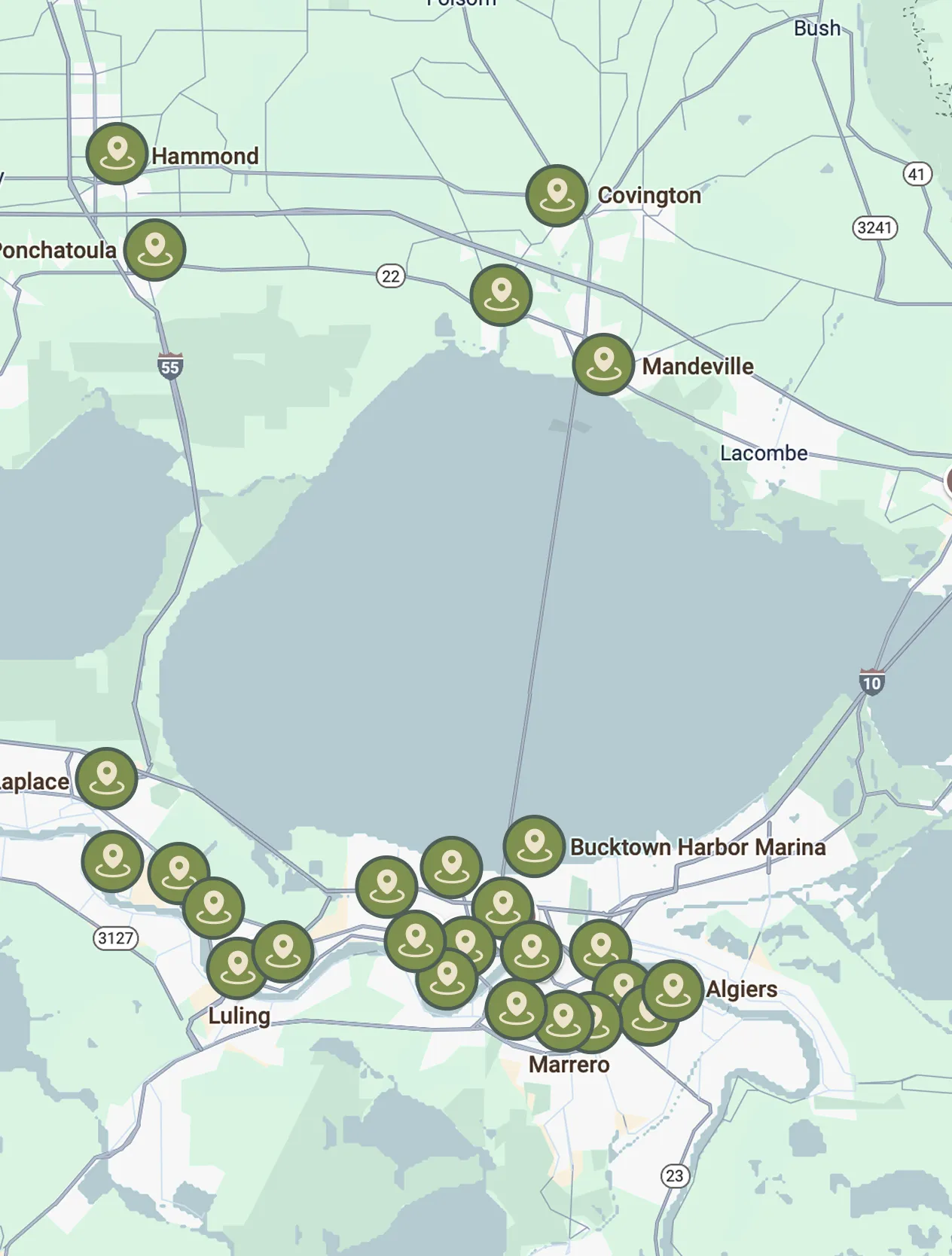
Our service areas are designed to meet the diverse needs of our clients. We focus on providing exceptional service and ensuring customer satisfaction in every location we operate.