Heating Tune-Up in Terrytown, LA
.webp)
Cypress Cooling provides heating tune ups in Terrytown, LA, offering preventive maintenance to keep your furnaces and heat pumps safe, efficient, and reliable. Our service includes a thorough inspection, cleaning, and calibration to prevent breakdowns, improve airflow, and protect indoor air quality, especially during unpredictable winter weather. Our technicians at Cypress Cooling assess filters, igniters, thermostats, safety controls, heat exchangers, and outdoor components; clean and adjust as needed; and test performance, CO risk, and run time. Frequency varies by system, with annual or semiannual options available, and we provide clear post service documentation.
%2520(5)-min.webp)
Heating Tune-up in Terrytown, LA
An annual heating tune-up keeps your furnace or heat pump running safely, reliably, and efficiently during the cooler months in Terrytown, LA. Even though winters here are shorter and milder than in northern states, sudden cold snaps, high humidity, and coastal-influenced weather make dependable home heating important. A professional heating tune-up targets performance problems before they cause breakdowns, reduces energy use, and helps protect indoor air quality for local families.
Why a seasonal heating tune-up matters in Terrytown, LA
- Terrytown winters are unpredictable: systems may be idle for months and then required during an abrupt cold front. Idle equipment can develop issues that become critical on the first cold day.
- High humidity and airborne particles lead to faster filter clogging, corrosion risk on outdoor components, and reduced combustion efficiency in gas systems.
- Proper operation reduces the chance of emergency service calls during peak demand and helps avoid unsafe conditions like cracked heat exchangers or carbon monoxide leaks.
Common heating tune-up issues in Terrytown, LA homes
- Clogged or undersized air filters causing poor airflow and overheating.
- Dirty burners, igniters, or flame sensors that lead to ignition failures or incomplete combustion.
- Miscalibrated thermostats or poor sensor placement causing short cycling or temperature swings.
- Blower motor wear, belt slippage, or bearing friction lowering airflow and efficiency.
- Blocked vents and flues from leaves, bird nests, or debris after storm season.
- Corrosion and moisture-related deterioration on condensate pans, drain lines, and outdoor components.
- Low refrigerant or compressor strain on heat pumps that serve both heating and cooling needs in mild winters.
What a complete heating tune-up covers
A proper tune-up is a methodical inspection plus cleaning and adjustment tasks designed to optimize performance and safety. Typical checklist items include:
Inspection items
- Air filters and return vents for dirt, damage, and proper sizing.
- Igniters, burners, and flame sensors on gas furnaces for reliable ignition and clean combustion.
- Thermostat operation and calibration, including batteries and placement.
- Safety controls and limit switches to ensure systems shut down safely when needed.
- Heat exchanger inspection for cracks or corrosion that could cause safety hazards.
- Blower assembly, motor, belts, and pulleys for wear and correct alignment.
- Combustion air, flue, and venting pathways for leaks or blockages.
- Electrical connections and control boards for loose connections or burned terminals.
- Outdoor heat pump components including coils, fan, and drain lines for debris and moisture damage.
Cleaning and adjustment tasks
- Replace or clean air filters; recommend proper MERV rating for the home.
- Clean burners, ignition components, and combustion areas to restore proper flame and efficiency.
- Vacuum and wipe blower housing, blower wheel, and accessible duct openings.
- Lubricate motors and bearings where applicable to reduce friction and noise.
- Tighten electrical terminals and test capacitors and relays.
- Adjust gas pressure and pilot/ignition timing for optimal combustion (gas systems).
- Straighten and clean outdoor coils and clear condensate drains for heat pumps.
Efficiency and safety testing
- Measure airflow and temperature rise across the heat exchanger to confirm manufacturer specifications.
- Check system electrical draw to detect failing motors or oversized compressors.
- For gas systems, verify proper combustion with visual checks and CO awareness; when appropriate, perform combustion analysis for CO and CO2 levels.
- Test safety controls, flame rollout switches, and automatic shutoffs.
- Confirm thermostat setpoints and run time to ensure efficient cycling and occupant comfort.
Recommended tune-up frequency for Terrytown homes
- Standard gas or electric furnaces: once per year, ideally in early fall before heating demand increases.
- Heat pumps (used for both heating and cooling): twice per year is recommended if you rely on the unit year-round; at minimum, schedule a fall tune-up focused on heating mode.
- Older systems or homes with heavy indoor contaminants: consider semiannual service or filter changes every 1 to 3 months during high-use seasons.
- Schedule service after hurricane season debris is cleared and before the first expected cold snap to minimize risk of unexpected failures.
Benefits you can expect from a professional tune-up
- Improved reliability: preemptive detection of worn parts reduces emergency breakdowns on cold mornings.
- Lower energy use: cleaned burners, correct gas pressures, and optimized fan operation typically restore lost efficiency, lowering monthly heating costs.
- Longer equipment life: routine lubrication and adjustments reduce wear on motors and moving parts, extending service life.
- Safer operation: inspection of heat exchangers, venting, and safety controls reduces risk of carbon monoxide exposure and other hazards.
- Better indoor comfort and air quality: proper airflow and clean components reduce hot/cold spots and limit dust and allergens circulation.
- Documentation for warranties and home records: many manufacturers require regular maintenance; a documented tune-up helps preserve warranty coverage.
What to expect during a tune-up appointment
- Appointment timing usually centers on preseason windows in late summer or early fall. Typical service visits take 45 to 90 minutes depending on system complexity.
- Technician arrival includes a brief walkthrough of the system and any homeowner concerns. Systems will be inspected while off and then tested under normal operating conditions.
- The visit yields a clear service checklist or report that lists completed tasks, parts inspected, test results (such as temperature rise and airflow), and recommended repairs or follow-up items.
- If additional repairs are required, expect a prioritized recommendation with an explanation of safety or efficiency impact and options for addressing each item.
Booking guidance and how to plan a seasonal tune-up
- Plan tune-ups in the late summer or early fall to avoid the rush and ensure systems are ready before cold weather arrives.
- Confirm the scope of the tune-up before scheduling: a complete tune-up includes inspection, cleaning, adjustments, and testing, and should include a written checklist of what was performed.
- Verify technician qualifications such as HVAC certification and experience with your system type (gas furnace, heat pump, or hybrid systems).
- Ask about policies for safety testing, especially for gas systems—ensure CO testing or combustion checks are part of the service when applicable.
- Keep records of seasonal tune-ups and filter replacement dates to track performance improvements and support warranty needs.
A thorough heating tune-up in Terrytown, LA protects comfort and safety while reducing energy waste. Regular, documented maintenance tailored to local climate conditions keeps systems running efficiently so your home stays comfortable through every cold snap.
OUR CLIENTS HAVE TO SAY ABOUT US



Service areas
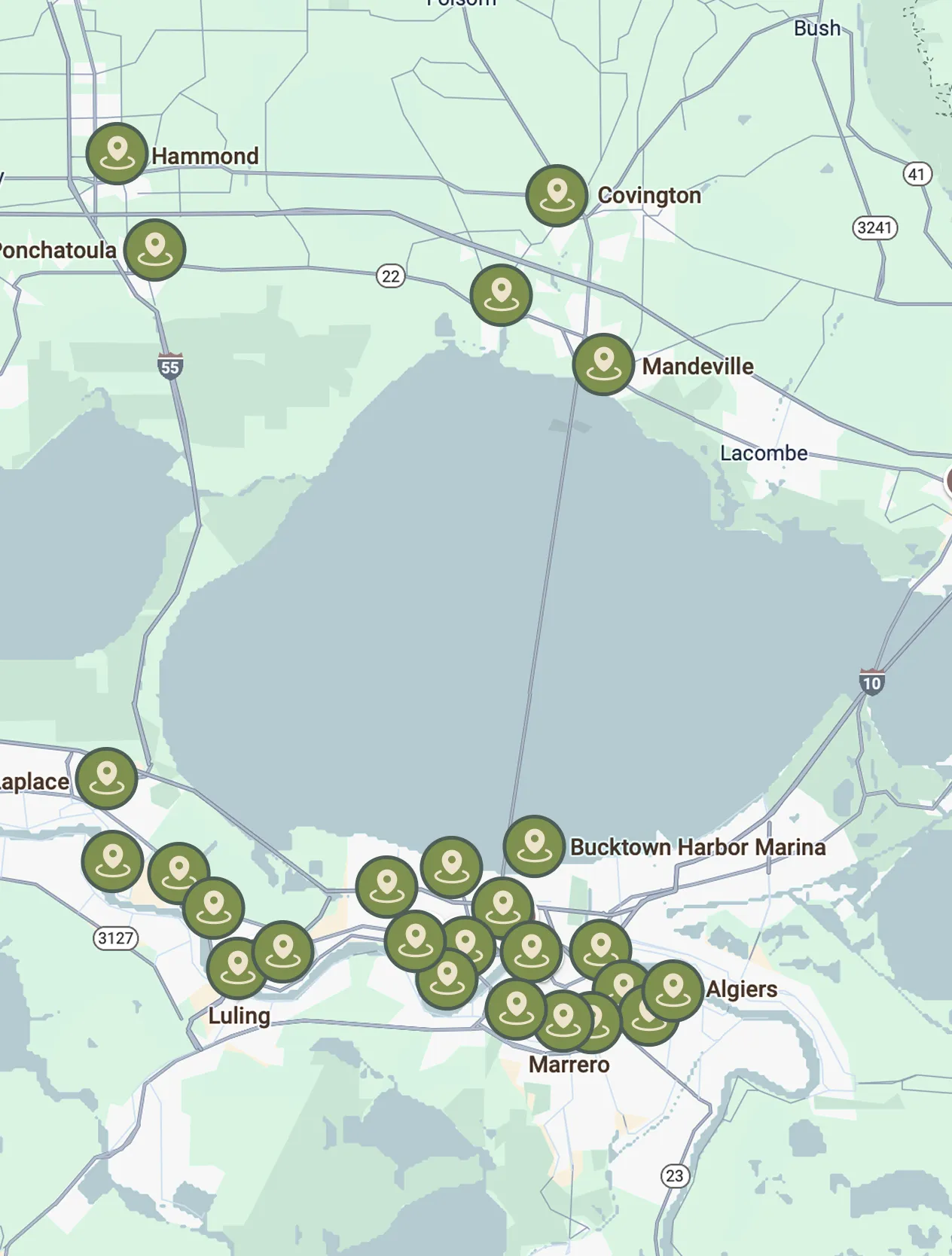
Our service areas are designed to meet the diverse needs of our clients. We focus on providing exceptional service and ensuring customer satisfaction in every location we operate.