
Heating Tune-Up in Bucktown, LA
.webp)
Heating tune ups in Bucktown, LA, from Cypress Cooling, provide a thorough seasonal check that protects your safety, improves your comfort, and maximizes your system's efficiency. We understand the importance of autumn and winter checks in humid climates. Our service addresses common problems and follows a detailed inspection, cleaning, calibration, and testing checklist. Cypress Cooling also outlines diagnostic steps, typical visit length, expected performance gains, common repair findings, and sensible follow up maintenance to extend equipment life and reliability in changing weather.
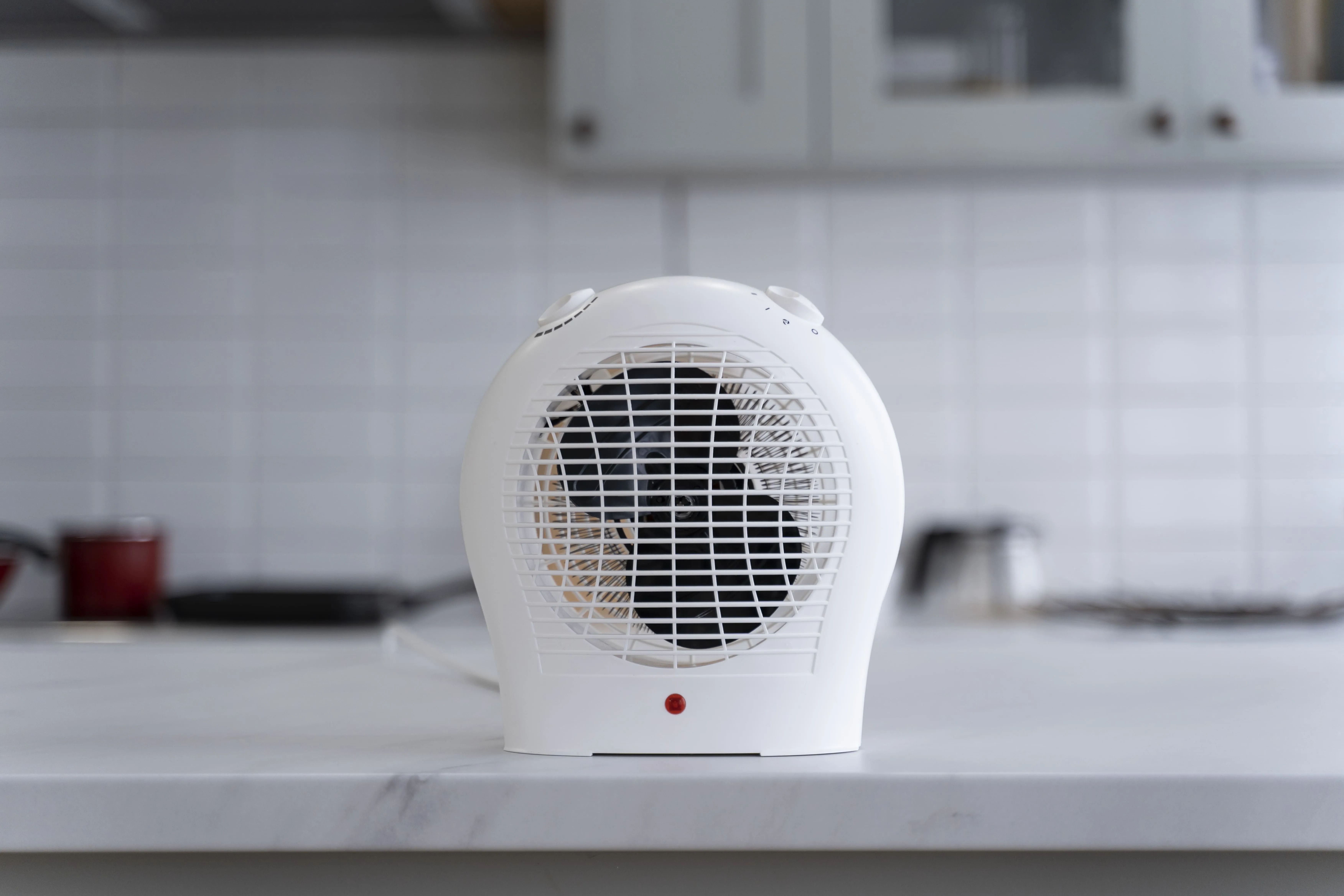
Heating Tune-up in Bucktown, LA
A seasonal heating tune-up in Bucktown, LA keeps your system safe, reliable, and efficient during cooler months. Even though winters here are milder than northern states, humidity fluctuations, pollen, and occasional cold snaps place unique demands on heating systems. A focused tune-up addresses common wear points, prevents breakdowns when the temperature drops, and helps your system run with better comfort and lower unnecessary strain.
Why a seasonal heating tune-up matters in Bucktown, LA
- Bucktown homes face high humidity and airborne particulates during transitional seasons. Moisture and debris accelerate corrosion and clog filters.
- Mild winters mean systems run intermittently, which can hide developing problems until a sudden cold front reveals them.
- Older systems or those that saw heavy summer use for circulating air can accumulate dust and biofilm that reduce heat transfer efficiency.
A professional tune-up reduces the risk of mid-season failures, ensures safety controls work correctly, and restores optimal performance so your home stays comfortable when you need heat.
Common heating problems in Bucktown homes
- Reduced heat output or uneven heating between rooms
- Short cycling (system turns on and off frequently)
- Unusual noises on startup such as rattling or delayed ignition sounds
- Thermostat drift or inaccurate temperature control
- Foul or musty odors from mold or accumulated dust in the heat exchanger or ducts
- Ignition failure or delayed ignition on gas systems
Most of these issues are preventable or diagnosable during a thorough seasonal tune-up.
What a complete heating tune-up covers
A full heating tune-up follows a structured checklist to inspect, clean, test, and document system condition. Core items include:
- Visual inspection of the system exterior and cabinet for signs of corrosion, water damage, or rodent activity
- Replace or clean the air filter and inspect duct connections for obvious leaks or disconnections
- Cleaning burners and coils to remove carbon buildup, soot, and dust that reduce combustion efficiency and heat transfer
- Checking and calibrating the thermostat for accurate control and proper wiring integrity
- Verifying safety controls including limit switches, pressure switches, and flame sensors to ensure fail-safe operation
- Testing ignition system and pilot assembly (for gas systems) to confirm reliable start and safe flame characteristics
- Inspecting the heat exchanger for cracks, corrosion, or signs of combustion gases entering the air stream
- Examining exhaust venting and combustion air paths for blockages, backdrafting, or improper slope
- Lubricating moving parts such as blower motors where applicable to reduce friction and noise
- Measuring system operating pressures and temperatures to compare to manufacturer specifications
- Combustion analysis when indicated to check for proper fuel-to-air ratio and safe exhaust composition
Each step is documented, and any items outside normal tolerances are noted for repair or closer monitoring.
Diagnostic process explained (in plain terms)
Technicians use a combination of visual checks, simple mechanical tests, and basic diagnostic tools. The idea is to verify that the system can start reliably, produce the expected heat, and operate safely under load. Diagnostics include:
- Observing the startup sequence to detect delays or erratic behavior
- Listening for abnormal sounds that indicate loose parts or motor stress
- Measuring airflow and temperatures to confirm heat delivery
- Checking flame appearance and stability for safe combustion
- Confirming that safety switches shut off the system if unsafe conditions occur
These steps help pinpoint whether an issue is an easy tune-up fix or requires a targeted repair.
Typical duration and what to expect during the visit
- Most seasonal heating tune-ups take approximately 45 minutes to 2 hours, depending on system type and age, accessibility, and whether additional issues are discovered.
- Expect the technician to move through inspection, cleaning, and testing phases methodically, with brief system shutdowns during certain checks.
- You can expect a short summary of findings at the end of the visit describing what was cleaned, tested, and any recommendations for repairs or replacement parts if safety or performance concerns were found.
Expected performance improvements
After a thorough tune-up you can typically expect:
- More consistent indoor temperatures and improved comfort control
- Smoother startup and fewer short cycling events
- Improved system efficiency as burners and heat transfer surfaces are cleaned
- Reduced risk of unexpected breakdowns during colder weather
- Safer operation through verified safety controls and a inspected heat exchanger
In Bucktown’s humid climate, cleaning and recalibrating components can noticeably reduce musty odors and improve indoor air delivery.
Common repairs identified during tune-ups
A tune-up often reveals condition-based repairs such as:
- Worn blower belts or failing blower motors
- Corroded burners or cracked heat exchangers
- Faulty flame sensors, ignitors, or pilot assemblies
- Leaky or disconnected ductwork causing heat loss
- Malfunctioning thermostats or poor wiring connections
Addressing these promptly after a tune-up prevents minor issues from becoming emergency repairs.
Follow-up recommendations and maintenance schedule
- Schedule a seasonal heating tune-up annually before the heating season begins to catch issues early.
- Replace air filters every 1 to 3 months depending on filter type and indoor air quality; more frequent changes during pollen season help maintain airflow.
- If you have a heat pump, include both heating and cooling checks as these systems serve both functions year-round.
- Monitor your thermostat and note any persistent temperature swings or unusual behavior between services.
- Keep vents and return grilles clear of obstructions, and maintain proper clearance around the furnace or heat pump for airflow.
Regular tune-ups and simple homeowner maintenance extend equipment life and preserve performance.
Closing overview: long-term value of tune-ups in Bucktown, LA
A seasonal heating tune-up in Bucktown, LA is both a safety check and a performance tune. It reduces the chance of mid-season failures, restores comfort, and helps keep operating costs reasonable by ensuring your system runs as intended. For homes in humid and variable climates like Bucktown, these proactive visits are especially valuable for preventing corrosion-related issues and maintaining clean combustion and airflow. Routine tune-ups are an investment in safety, comfort, and predictable system performance.
OUR CLIENTS HAVE TO SAY ABOUT US



Service areas
Our service areas are designed to meet the diverse needs of our clients. We focus on providing exceptional service and ensuring customer satisfaction in every location we operate.

