Heating Replacement in Kenner, LA
.webp)
Navigating heating replacement in Kenner, Louisiana, requires understanding local conditions. Coastal humidity and the risk of corrosion are important factors to consider. Cypress Cooling offers full service heating replacement, from the initial evaluation to installation, testing, and comprehensive warranty options. We specialize in efficient solutions tailored to Kenner's climate, such as heat pumps, dual fuel systems, and high efficiency gas furnaces. Our process includes careful removal and disposal of your old system, professional installation, and clear timelines. Cypress Cooling also provides information on financing, maintenance, and the long term cost benefits of a new system. We'll help you select appropriately sized, corrosion resistant equipment and ensure you enjoy reliable comfort and energy savings for years to come.

Heating Replacement in Kenner, LA
Replacing your home heating system is a significant decision that affects comfort, monthly energy bills, and long-term reliability. In Kenner, LA, where winters are generally mild but humidity, coastal air, and occasional cold snaps influence system performance, a properly sized, energy-efficient replacement can deliver consistent warmth, lower operating costs, and greater durability. This page explains the full heating system replacement process, common local issues, recommended system types, professional installation steps, expected timelines, financing and warranty considerations, and the long-term benefits of upgrading.
Why replace your heating system in Kenner, LA
Homes in Kenner face unique conditions that affect heating equipment:
- High humidity and salt air can accelerate corrosion on outdoor units and components.
- Mild winters mean heat pumps often outperform traditional furnaces for efficiency and comfort.
- Occasional cold snaps require reliable backup or properly sized systems to maintain comfort.
- Older systems tend to lose efficiency and require frequent repairs, making replacement more economical over time.
Common reasons homeowners choose heating replacement include frequent breakdowns, rising energy bills, uneven temperatures, failing compressors or heat exchangers, and systems older than 12 to 15 years.
Common heating replacement issues in Kenner
- Corrosion and rust on outdoor equipment from coastal humidity.
- Decreased efficiency due to aging compressors or leaky refrigerant lines.
- Uneven heating from undersized or leaky ductwork.
- Short cycling and frequent repairs that indicate failing components.
- Old furnaces or boilers with cracked heat exchangers posing safety risks.
Initial evaluation and load calculation
A reliable replacement begins with a comprehensive evaluation:
- Onsite inspection of the existing system, ductwork, and mechanical room.
- Manual J load calculation to determine the correct system size based on home square footage, insulation, window types, orientation, and Kenner climate factors.
- Ductwork assessment (Manual D) to identify leaks, undersized runs, or poorly balanced zones.
- Electrical and gas line review to confirm capacity for the new equipment.
Accurate load calculations prevent oversizing or undersizing, both of which reduce efficiency and comfort. In Kenner homes, proper sizing also accounts for humidity-related heat gain that can affect perceived comfort.
Energy-efficient system recommendations
Given the local climate, the following options are common and effective:
- High-efficiency heat pumps: Modern variable-speed heat pumps provide excellent heating and cooling in mild climates. They offer significant energy savings over older electric resistance systems and many furnaces.
- Dual-fuel systems: Combine a heat pump with a gas furnace for efficient operation during mild weather and reliable backup heat during very cold periods.
- High-efficiency gas furnaces: For homes with existing gas infrastructure and where cold snaps are a primary concern, modern condensing furnaces with high AFUE ratings are an option.
- Ductless mini-split systems: Ideal for room additions, zoned solutions, or homes with poor ductwork. They provide efficient zone control and high SEER/HSPF ratings.
Recommendations will consider energy efficiency ratings, expected operating costs in Louisiana, and corrosion-resistant features for coastal environments.
Removal of old equipment and disposal
Professional removal includes:
- Safe disconnect and capping of gas and electrical connections.
- Proper recovery of refrigerant in accordance with regulations.
- Safe removal and disposal or recycling of old equipment per local codes.
- Inspection and repair of surrounding surfaces and ducts exposed during removal.
Technicians will document the disposal process and ensure that the site is left clean and safe for installation.
Professional installation steps
A typical replacement installation follows these steps:
- Pre-install preparation: verify permits and final equipment selection.
- Removal of old system and cleanup.
- Ductwork repairs and sealing if required - this improves efficiency immediately.
- Mounting and connecting new equipment - electrical, gas, and refrigerant lines as applicable.
- Insulation, condensate, and drainage work to meet local code and humidity control needs.
- Thermostat installation and zoning setup if applicable.
- System startup, calibration, and performance testing including airflow, pressures, and safety checks.
- Customer walkthrough explaining operation, filter locations, and maintenance schedule.
- Completion of permits and final inspections where required.
Technicians will follow code requirements and manufacturer installation guidelines to preserve warranties and ensure safe operation.
Expected timelines
- Evaluation and load calculation: 1 to 2 hours onsite, with estimates provided within 24 to 72 hours.
- Permit processing: typically a few days to a week depending on local permitting workload.
- Installation: most full-system replacements take 1 to 3 days for typical single-family homes. Complex jobs, duct replacements, or permit-related scheduling can extend to several days.
- Final inspection and sign-off: usually completed within a few days after installation, depending on local inspection queues.
Financing options and warranty details
Financing options vary by provider but commonly include:
- Flexible monthly financing plans through third-party lenders.
- Energy-efficient financing programs and low-interest solutions for qualified applicants.
- Short-term payment plans to spread replacement costs.
Warranty structures generally include:
- Manufacturer warranties: parts and compressor coverage typically range from 5 to 10 years, with some compressors offering 10 to 12 year limited warranties.
- Labor warranties: commonly 1 to 5 years depending on installer policies.
- Extended warranties or maintenance agreements may be available to extend protection beyond standard terms.
When evaluating replacement, review warranty transferability, required maintenance to preserve warranty coverage, and warranty registration steps.
Long-term cost and efficiency benefits
Upgrading your heating system can provide measurable benefits:
- Lower energy bills through higher AFUE and HSPF ratings or by switching to heat pump technology.
- Improved indoor comfort with consistent temperatures and better humidity control.
- Fewer emergency repairs and reduced maintenance costs over time.
- Enhanced indoor air quality from improved filtration and sealed duct systems.
- Increased home value and marketability with modern, documented equipment and warranties.
In Kenner, an efficient replacement also mitigates the impact of coastal humidity and salt exposure by selecting corrosion-resistant components and ensuring proper drainage and protective measures.
Maintenance and long-term care
To protect your investment:
- Schedule annual tune-ups that include cleaning, checks, and airflow testing.
- Replace filters regularly and use filters rated for your system.
- Keep outdoor units clear of vegetation and debris, and inspect for corrosion.
- Seal and insulate ductwork to maintain efficiency and balance.
- Monitor system performance and address small issues promptly before they become major repairs.
A properly selected and installed heating system, combined with routine maintenance, will deliver reliable comfort and lower operating costs for years.
Upgrading your heating in Kenner, LA, is a practical, long-term home improvement when done with an accurate evaluation, correctly sized equipment, professional installation, and appropriate warranty and financing choices. Consider the local climate and home characteristics when comparing options to ensure the best match for comfort and efficiency.
OUR CLIENTS HAVE TO SAY ABOUT US



Service areas
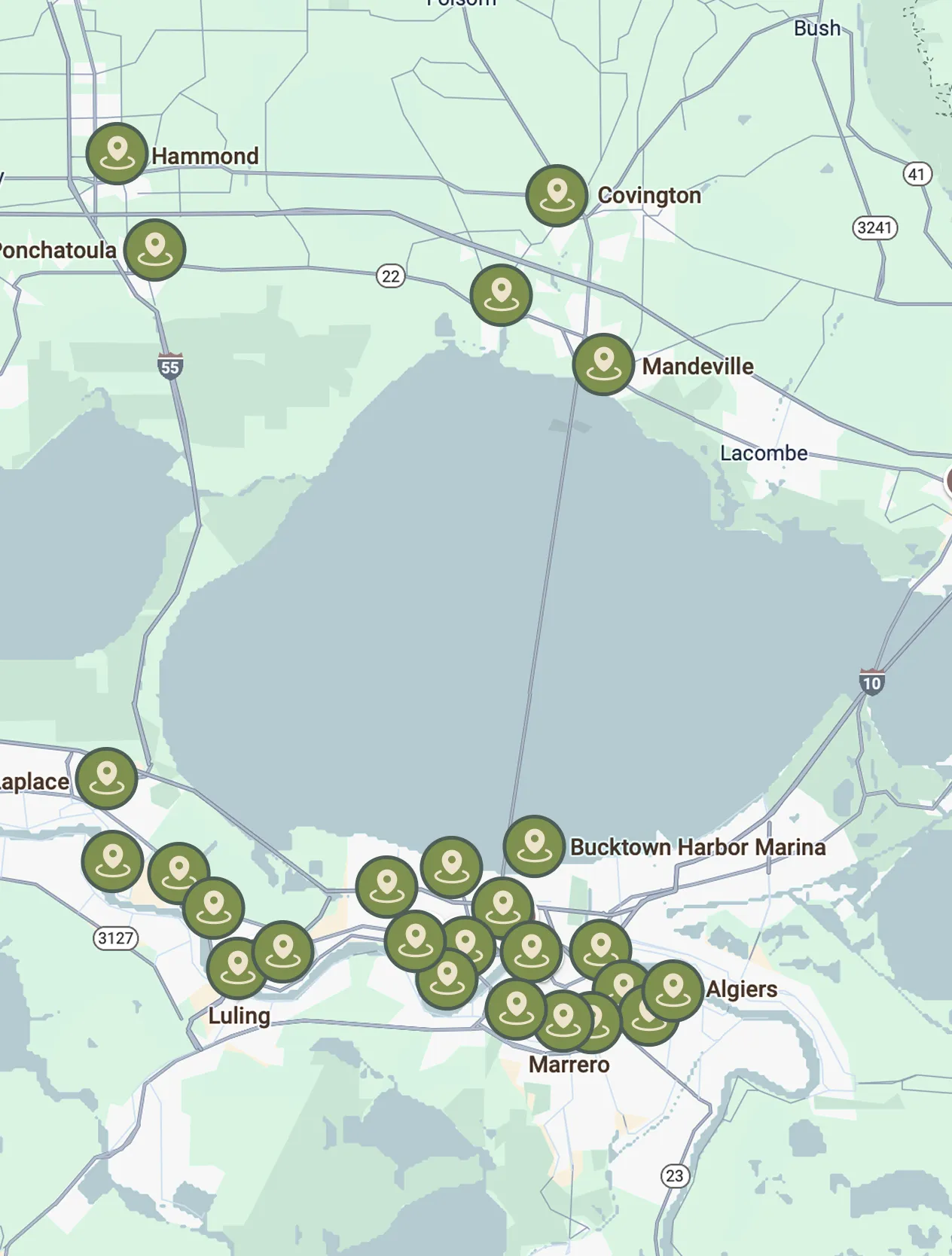
Our service areas are designed to meet the diverse needs of our clients. We focus on providing exceptional service and ensuring customer satisfaction in every location we operate.