Heating Repair in Shrewsbury, LA
.webp)
When your heating system sputters to a halt in Shrewsbury, LA, you need reliable repair services. Common issues like ignition problems, faulty blowers, or thermostat malfunctions can leave you in the cold. At Cypress Cooling, our technicians are skilled at diagnosing these problems through a comprehensive process: symptom review, visual inspection, safety checks, electrical and gas tests, airflow assessment, and performance testing. We handle everything from ignition repairs and blower service to thermostat replacements, electrical fixes, and heat exchanger or duct maintenance. Timelines depend on the complexity of the issue, but emergency services are always available. Cypress Cooling provides warranties covering both parts and labor, documents all safety checks, and offers homeowners clear recommendations and practical troubleshooting advice.
%2520(4)-min.jpeg)
Heating Repair in Shrewsbury, LA
An efficient, reliable heating system matters even in Shrewsbury, LA. Winters are generally mild, but occasional cold snaps, high humidity, and storm-related power interruptions make timely heating repair important for comfort and safety. This page explains the range of heating repair services typically needed in Shrewsbury homes, common symptoms, how technicians diagnose issues, typical repairs, expected timelines and warranties, practical troubleshooting tips you can try safely, and what to expect when arranging service.
Common heating repair issues in Shrewsbury, LA homes
Home heating systems face a number of recurring problems in this region. Understanding the usual causes helps you spot issues early.
- No-heat conditions
- Complete loss of heat can come from failed ignition, tripped safety switches, thermostat faults, or power problems after storms.
- Ignition or pilot problems
- Intermittent ignition, noisy pilot assemblies, or failure to light are common on gas furnaces and often stem from dirty burners, faulty ignitors, or gas valve issues.
- Blower and airflow problems
- Weak or no airflow may be caused by failed blower motors, clogged filters, obstructed return vents, or issues with the blower capacitor.
- Thermostat faults
- Wrong temperature readings, unresponsive controls, or programming failures can make a system cycle incorrectly or not run at all.
- Short cycling and frequent shutdowns
- Short on-off cycles reduce comfort and accelerate wear. Causes include overheating, airflow restriction, or failing control boards.
- Strange noises or smells
- Rattles, grinding, or burning smells indicate mechanical wear, motor problems, or electrical issues and should be checked promptly.
- Safety and combustion concerns
- Carbon monoxide risks, gas leaks, or cracked heat exchangers require immediate professional attention.
How technicians diagnose heating problems
A clear diagnostic process prevents unnecessary repairs and identifies underlying causes.
- Initial symptom assessment
- The technician reviews the symptoms, system history, recent outages, and whether the issue is constant or intermittent.
- Visual and mechanical inspection
- Panels removed to inspect burners, heat exchanger, blower assembly, belts, and wiring for obvious damage or wear.
- System controls and safety checks
- Thermostat functions, limit switches, flame sensors, and safety interlocks are tested to verify proper operation.
- Electrical and gas checks
- Voltage to motors, capacitors, control boards, and gas pressure or valve operation are measured with diagnostic tools.
- Airflow and duct inspection
- Filters, return and supply vents, and accessible ducts are checked for blockages and balance issues.
- Performance testing
- System is run through cycles while measuring temperatures, pressures, and run times to confirm repairs or diagnose intermittent faults.
Typical repair procedures and solutions
Repairs focus on restoring safe, efficient operation and addressing the root cause to prevent recurrence.
- Ignition and pilot repairs
- Cleaning or replacing ignitors, pilots, flame sensors, or control modules to restore consistent ignition.
- Blower and motor service
- Motor replacement, capacitor swaps, belt replacement, and cleaning blower wheels to restore airflow.
- Thermostat repair or replacement
- Recalibration, rewiring, or installing modern programmable or smart thermostats when obsolete.
- Electrical repairs
- Replacing relays, fuses, control boards, and fixing loose or corroded connections.
- Combustion and heat exchanger work
- Cleaning burners, testing heat exchangers for cracks, and repairing or replacing compromised components when needed.
- Duct and filter maintenance
- Replacing filters, clearing obstructed vents, and advising on duct sealing or balancing when airflow is an ongoing issue.
- Safety system servicing
- Carbon monoxide detectors testing, gas valve checks, and ensuring all safety interlocks function before leaving a job.
Estimated timelines and what to expect
Repair time varies by symptom and parts availability. Typical timelines help set expectations.
- Simple diagnostics and repairs
- Thermostat fixes, filter changes, and minor electrical repairs often completed in one visit, typically within a few hours.
- Component replacements
- Replacing ignitors, motors, capacitors, or control boards can usually be completed same day if parts are on hand.
- Complex repairs and heat exchanger issues
- Heat exchanger replacement or major combustion repairs are more involved and may require ordering parts or additional permits, extending timelines to several days.
- Emergency response
- During cold snaps or after storms, emergency dispatch and priority service are often available to address no-heat calls quickly.
Warranty and workmanship expectations
Professional heating repair commonly includes warranty coverage on parts and labor.
- Parts warranties
- Replacement components typically carry manufacturer warranties; scope and duration vary by part.
- Labor warranty
- Reputable service providers back repairs with a limited labor warranty covering workmanship for a specified period.
- Safety and compliance
- Repairs should meet local codes and safety standards, and technicians will document tests and safety checks performed.
Troubleshooting tips you can try safely
These steps can help you identify simple issues before service arrives. Only perform noninvasive, low risk checks.
- Check the thermostat
- Confirm set mode is heat and temperature setpoint is above room temperature. Replace batteries if the display is blank.
- Inspect and replace filters
- Dirty filters restrict airflow. Replace disposable filters or clean reusable ones according to manufacturer guidance.
- Verify power and breakers
- Ensure furnace switch is on and circuit breakers or fuses for the heating system are not tripped.
- Look for blocked vents
- Make sure supply and return vents are open and not blocked by furniture or curtains.
- Listen and note
- Note any unusual noises, odors, or patterns that can help a technician diagnose intermittent problems.
Do not attempt gas valve, burner, heat exchanger, or internal electrical repairs on your own. If you suspect a gas leak or carbon monoxide issue, evacuate the home and seek professional emergency service.
Emergency repair response and scheduling expectations
In Shrewsbury, emergency heating repair is important during sudden cold snaps and after storm-related outages.
- Availability
- Emergency service typically covers problems that pose safety risks or leave occupants without heat, with technicians dispatched to triage and restore safe operation.
- What to prepare when scheduling
- Provide system make and model if known, symptoms, any recent power events, and whether the home has gas or electric heating.
- On-site inspection and estimate
- Technicians perform a diagnostic on arrival and present findings with recommended repairs and timelines before proceeding.
- Follow-up and documentation
- Professional repairs include documentation of work performed, parts replaced, and safety checks completed for homeowner records.
Why timely heating repair matters for Shrewsbury homeowners
Prompt, professional heating repair preserves comfort, safety, and equipment life, especially in Shrewsbury where humidity and occasional storms influence performance.
- Prevent bigger failures
- Addressing small issues prevents larger, more expensive breakdowns and reduces risk of emergency replacement.
- Improve efficiency and comfort
- Proper repairs restore efficient operation and even heating, lowering utility waste and improving indoor comfort.
- Protect indoor air quality
- Fixing combustion and airflow problems reduces soot, dust circulation, and potential health hazards.
- Maintain safety
- Timely inspections and repairs reduce risks of carbon monoxide exposure, gas leaks, and electrical hazards.
This overview describes what homeowners in Shrewsbury, LA should expect from professional heating repair: common issues, diagnostic steps, typical repairs, realistic timelines, warranty considerations, safe troubleshooting, and emergency response norms. Proper diagnosis by a trained technician ensures safe, lasting solutions suited to local conditions and the specific equipment in your home.
OUR CLIENTS HAVE TO SAY ABOUT US



Service areas
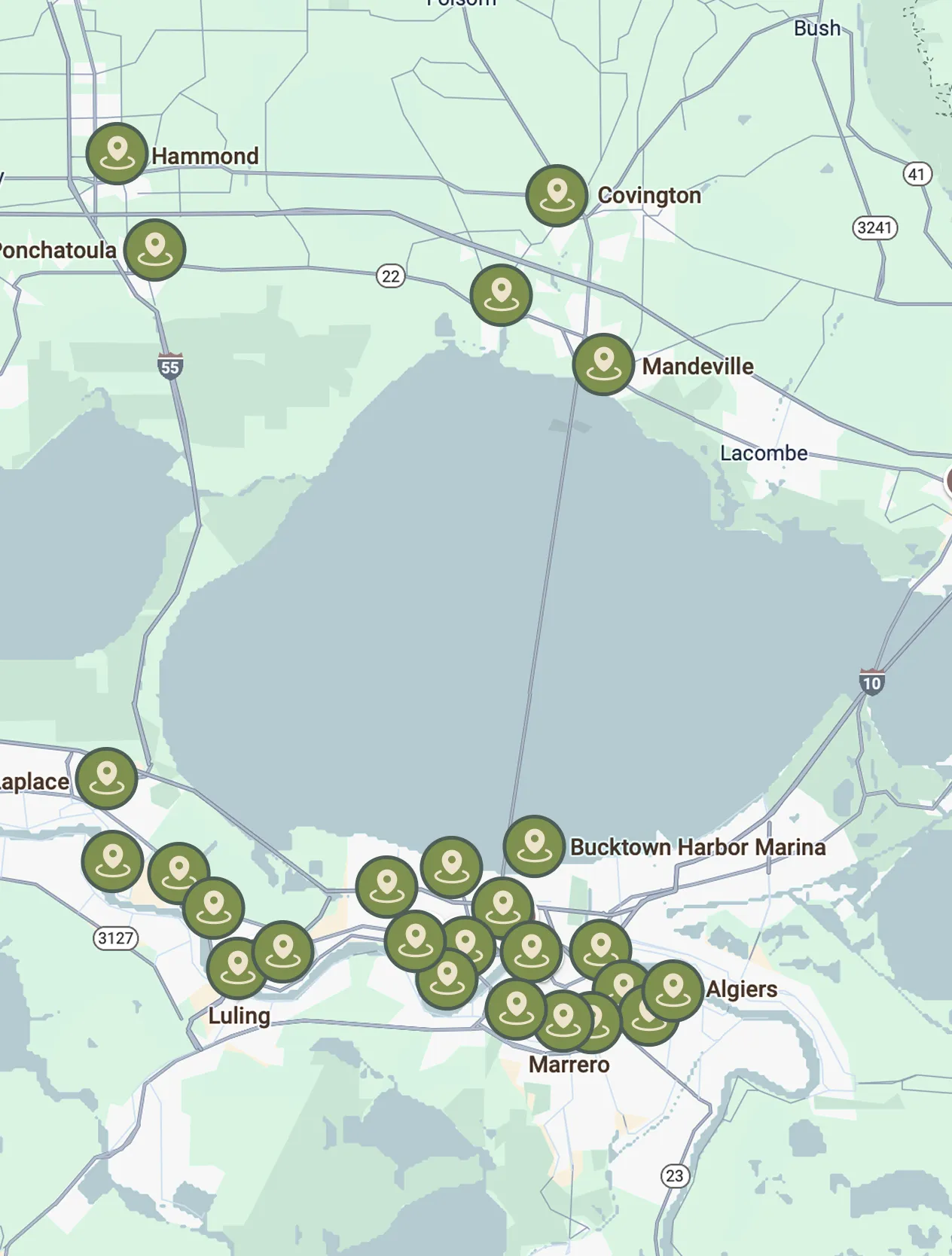
Our service areas are designed to meet the diverse needs of our clients. We focus on providing exceptional service and ensuring customer satisfaction in every location we operate.