Heating Repair in Madisonville, LA
.webp)
Cypress Cooling provides a range of heating repair options for Madisonville, LA, homes, including both emergency and routine services. We address common local system failures and follow thorough on site diagnostic procedures. Our team will explain typical repair methods, parts replacement processes, and technician readiness, including expected response times and qualifications. Cypress Cooling helps homeowners decide between repair and replacement based on system age, safety concerns, and potential efficiency improvements. We also offer practical maintenance tips to help prevent outages. All of our recommendations take into account Madisonville’s climate, coastal corrosion risks, and the types of heating equipment most commonly used in the area.

Heating Repair in Madisonville, LA
When winter cold fronts sweep down into Madisonville, LA, a reliable heating system keeps your home safe and comfortable. Whether you have a gas furnace, heat pump, or packaged system, timely heating repair prevents longer outages, reduces safety risks, and preserves energy efficiency. This page explains emergency and routine heating repair services in Madisonville, common local failure modes, diagnostic steps technicians use on-site, typical repair and parts-replacement procedures, expected response times, technician qualifications and warranties, and objective guidance on when repair makes sense versus replacement.
Why heating repair matters in Madisonville, LA
Madisonville’s mild but humid climate and proximity to Lake Pontchartrain mean homeowners often rely on heat pumps for most of the year and seasonal furnaces during cold snaps. High humidity and coastal air can accelerate corrosion on outdoor units, cause electrical components to fail sooner, and allow moisture-related problems to affect ductwork and controls. Prompt diagnosis and repair keep systems running efficiently, lower energy use, and reduce the chance of sudden failures during an unexpected cold spell.
Common heating problems in Madisonville homes
- Failed igniters or pilot issues on gas furnaces, causing no-heat or intermittent ignition
- Heat pump not switching to heat mode or short-cycling during variable temperatures
- Bad capacitors that prevent blower motors or outdoor fan motors from starting
- Blower motor failure or worn bearings resulting in weak airflow or unusual noises
- Refrigerant leaks on heat pumps leading to frosting, reduced heating capacity, and higher energy use
- Control board or thermostat failures producing erratic operation or no response
- Leaks or rusted components in older packaged systems and corrosion on outdoor coils
- Safety-related failures such as cracked heat exchangers or blocked flues
Emergency vs routine heating repair
Emergency heating repair situations (service within hours) include:
- No heat during a sustained cold snap with vulnerable occupants
- Smell of gas or suspected gas leak
- Carbon monoxide alarm activation or symptoms of CO exposure
- Smoking, burning odors, or obvious fire hazards from the system
Routine repairs (scheduled within a few days) include:
- Intermittent operation, reduced efficiency, unusual noises
- Thermostat calibration, filter changes, and planned component replacements
- Leakage that is not actively creating immediate safety risk
If you detect a strong gas odor or CO alarm, evacuate occupants, ventilate if safe, shut off the gas at the meter or appliance valve if trained to do so, and contact a licensed professional for an immediate assessment.
Typical diagnostic process on-site
Technicians follow a systematic diagnostic workflow to identify root causes without unnecessary part swaps:
- Visual and safety inspection: check for gas odors, loose wiring, rust, combustion byproducts, flue integrity, and clearances
- System history and symptom review: note recent behavior, maintenance history, and thermostat settings
- Electrical checks: verify power to the unit, fuses, breakers, voltage, and component continuity
- Ignition and combustion testing: test igniter, flame sensor, gas valve operation, and combustion quality on furnaces
- Refrigerant and airflow checks: inspect refrigerant charge, coils, and refrigerant lines on heat pumps; assess airflow and duct conditions
- Component testing: test capacitors, motors, relays, and control boards for proper function
- Performance verification: run the system through cycles to confirm repairs restored safe and efficient operation
Technicians document findings and discuss objective repair options based on safety, efficiency, and expected longevity.
On-site repair procedures and parts replacement
Common on-site repairs performed in Madisonville include:
- Igniter or flame sensor cleaning/replacement and safety rechecks on gas units
- Capacitor replacement for blower or outdoor fan motor starts
- Blower motor replacement or bearing repairs when airflow is weak or noisy
- Refrigerant leak detection, repair of small leaks, and recharge where permitted
- Control board, thermostat, or relay replacement for erratic or non-responsive systems
- Condensate drain cleaning and leak repair to prevent water damage
- Seal and duct repairs to restore airflow and efficiency
Parts choices: OEM (original equipment manufacturer) parts maintain factory performance and warranty alignment, while quality aftermarket parts can be appropriate for older equipment. Technicians should document parts installed and any manufacturer warranty implications.
Expected response times and on-site readiness
- Emergency response: technicians aim to reach homes within hours when safety or loss of heat threatens occupants.
- Same-day or next-business-day service: common for urgent non-life-safety repairs during peak seasons.
- Routine appointments: typically scheduled within 48 to 72 hours based on availability.
Trucks should arrive stocked with common replacement parts, diagnostic meters, combustion analyzers for gas appliances, refrigerant recovery equipment where applicable, and the tools needed to complete most repairs in one visit.
Technician qualifications and standards
Qualified heating technicians servicing Madisonville homes typically hold:
- State licensing for gas and HVAC work where required
- Industry certifications such as NATE or equivalent training for heat pump and furnace systems
- EPA Section 608 certification for refrigerant handling on heat pumps and packaged systems
- Ongoing manufacturer training for specific brands and new equipment technologies
- Proof of insurance, background checks, and documented safety training
Expect technicians to follow safety protocols, explain findings in plain language, and provide written descriptions of recommended repairs and warranties.
Warranty and service guarantees
Repairs generally include a labor warranty covering the workmanship for a defined period and parts warranties that depend on manufacturer or aftermarket component coverage. Typical service warranties cover workmanship for a limited timeframe and are distinct from parts manufacturer warranties. For safety-critical components (such as heat exchangers or major control boards), documentation of warranty terms and registration may be required to preserve coverage.
When to repair vs replace
Repair is often the right choice when:
- The system is relatively new and components are underperforming due to single, isolated failures
- The repair restores safe operation and efficiency without recurring issues
- The problem is a minor electrical or component fault
Replacement is generally recommended when:
- The system is near or past typical lifespan for its type (many heat pumps and furnaces show reduced performance after 10–15 years)
- There are repeated breakdowns, or repairs become frequent
- Safety-critical components fail or the unit has a cracked heat exchanger
- The system cannot meet comfort needs or is severely inefficient compared to modern equipment
Decisions should weigh safety, remaining useful life, expected efficiency gains from new equipment, and the frequency of past repairs.
Maintenance and preventive tips for Madisonville homes
- Schedule annual tune-ups before heating season, including combustion checks on gas appliances and refrigerant inspections for heat pumps
- Change or clean filters regularly to prevent airflow restrictions and motor stress
- Keep outdoor units clear of vegetation and debris to reduce corrosion and airflow issues
- Insulate exposed refrigerant lines and seal duct leaks to improve efficiency
- Monitor for early warning signs: strange noises, increased utility bills, weak airflow, or short cycling
Regular maintenance reduces emergency repairs, prolongs equipment life, and helps preserve efficiency in Madisonville’s humid environment.
Reliable heating repair in Madisonville, LA keeps your home safe during cold snaps and preserves long-term performance. Understanding common issues, the diagnostic process, parts and warranty considerations, and objective repair-versus-replace criteria helps you make informed decisions about your heating system while accounting for local climate impacts and the types of equipment most commonly used in the area.
OUR CLIENTS HAVE TO SAY ABOUT US



Service areas
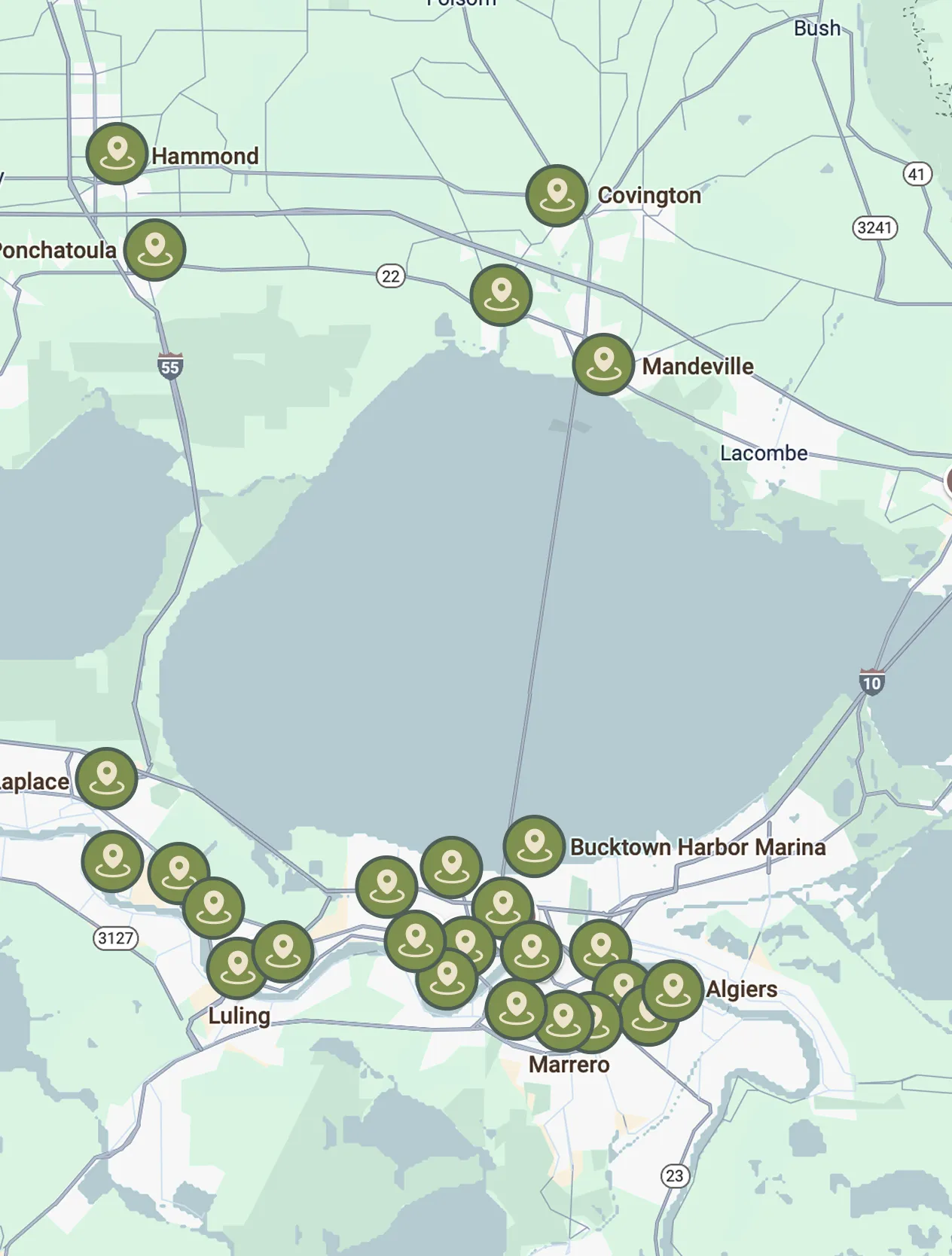
Our service areas are designed to meet the diverse needs of our clients. We focus on providing exceptional service and ensuring customer satisfaction in every location we operate.