Heating Repair in Harvey, LA
.webp)
Cypress Cooling provides comprehensive heating repair services for Harvey, LA homes, covering common symptoms, diagnostic steps, and repair options. Our technicians thoroughly assess heat loss causes, safety concerns, and system components through visual inspection, tests, and operational checks, then provide a clear, written estimate before any work begins. Typical repairs include ignition, control, blower, heat exchanger, gas valve, ductwork, and condensate fixes, with a strong focus on safety, efficiency, and long term reliability. Cypress Cooling also outlines standard response times, emergency options, pricing structures, warranties, and maintenance guidance to help reduce future failures and keep your Harvey home comfortable.
%2520(4)-min.jpeg)
Heating Repair in Harvey, LA
Keeping your home comfortable during cold snaps in Harvey, LA depends on a reliably functioning heating system. Even though winters here are generally mild, humid subtropical conditions, occasional cold fronts, and high indoor humidity mean heating systems can develop issues from corrosion, clogged components, or controls failing after heavy seasonal use. This page explains common heating system problems in Harvey homes, how certified technicians diagnose and fix them, what to expect for response times and emergency repairs, and how transparent pricing and warranty options typically work.
Common heating system problems and symptoms in Harvey, LA
Homeowners in Harvey most often report these symptoms:
- No heat or intermittent heat: Furnace runs but no warm air, or heat cycles off prematurely.
- Strange noises: Rattling, squealing, or banging that can signal loose parts, bearings, or delayed ignition.
- Pilot or ignition issues: Pilot light will not stay lit, or electronic ignition fails to spark.
- Weak airflow: Warm air is present but airflow from vents is low due to blower, motor, or duct problems.
- Uneven heating or zone failures: One area of the home stays cold while others heat normally, often indicating thermostat, control board, or dampers issues.
- Frequent cycling or short-cycling: System turns on and off too quickly, reducing efficiency and increasing wear.
- Odors or visible leaks: Musty smells from high humidity, or condensate/drain leaks indicating blocked lines or corrosion.
- Carbon monoxide alarm issues or soot: Any sign of combustion byproducts requires immediate attention for safety.
Local conditions in Harvey — high humidity, salt-laden air from the nearby Gulf, and the presence of older homes — can accelerate corrosion of metal components and clog condensate lines. Flooding and power instability during storm season also contribute to ignition and control failures.
How technicians diagnose heating problems
A methodical diagnostic process identifies root causes quickly and safely:
- Visual inspection: Check furnace, heat exchanger, burners, pilot or ignition assembly, condensate drains, vents, and ductwork for visible damage or corrosion.
- Safety checks: Verify carbon monoxide levels, gas pressure and leaks, combustion efficiency, and electrical safety.
- Electrical testing: Inspect wiring, capacitors, contactors, relays, control boards, and thermostat wiring for continuity and proper voltage.
- Operational testing: Run the system through a full cycle to observe ignition sequence, airflow, temperature rise, cycling behavior, and any abnormal sounds.
- Component isolation: Test individual parts such as the ignition module, flame sensor, blower motor, limit switch, and pressure switches to pinpoint failures.
- Duct and airflow assessment: Measure static pressure and airflow if weak circulation or hot/cold spots are present.
- Diagnostic summary and written estimate: After findings are confirmed, technicians provide a prioritized repair plan and an itemized estimate for parts and labor.
Technicians adjust the diagnostic approach for local Harvey conditions, for example checking condensate traps and drain lines more closely where humidity contributes to clogs.
Typical repair solutions and what's involved
Common repairs and replacements include:
- Ignition and pilot repairs: Cleaning or replacing pilot assemblies, spark ignitors, and flame sensors to restore reliable starts.
- Control and thermostat repairs: Replacing faulty control boards, relays, or thermostats and reconfiguring zone controls.
- Component replacements: Replacing worn blower motors, belts, bearings, transformers, pressure switches, and capacitors.
- Burner and heat exchanger service: Cleaning burners, sealing minor cracks, or replacing a heat exchanger when irreparable corrosion or damage is present.
- Gas valve and supply repairs: Repairing or replacing gas valves, regulators, or piping components following safety protocols.
- Ductwork and airflow fixes: Sealing leaks, replacing damaged sections, or adjusting dampers to correct airflow and balance rooms.
- Electrical and wiring repairs: Repairing shorted or corroded connections, replacing damaged wiring, and ensuring proper grounding.
- Condensate and drain servicing: Clearing condensate drains and replacing clogged traps to avoid water damage and microbial growth.
Repairs typically only begin after a written estimate is provided. Where parts are required from manufacturers, timelines may vary; many common parts are stocked locally to shorten turnaround time for Harvey-area homes.
Technician qualifications and safety standards
Look for technicians who meet industry and local standards:
- Certification from recognized bodies such as NATE (North American Technician Excellence) or equivalent.
- EPA Section 608 certification for work involving refrigerants on HVAC systems that include heat pump components.
- Manufacturer-specific training and certifications for common furnace and control brands.
- Proven experience diagnosing combustion systems safely and performing carbon monoxide testing.
- Adherence to local building codes and safe gas-handling practices.
- Use of calibrated diagnostic tools and documented inspection procedures.
Qualified technicians will explain safety findings, show checked components when feasible, and follow recognized procedures for returning a system to safe operation.
Expected response times and emergency repair options
Typical service expectations in Harvey homes:
- Same-day diagnostic visits are often available for non-life-threatening failures if scheduled early, with a diagnostic summary provided on-site.
- Emergency repair options are available for unsafe conditions such as carbon monoxide alarms, active gas leaks, or complete heating failure during extreme cold. Emergency response timelines vary by demand and time of year but are prioritized based on safety risk.
- Standard repairs often proceed within 24 to 72 hours after the diagnostic visit, depending on parts availability.
During storm seasons or widespread outages, response times may extend. Technicians adjust priorities to address the most critical safety and heating needs first.
Transparent pricing and warranty information
Transparent pricing models commonly used:
- Diagnostic fee: Covers the on-site inspection, testing, and written diagnostic report. This fee is often applied toward repair costs if the repair proceeds.
- Itemized estimates: Repairs are quoted with parts and labor listed separately to clarify what you are paying for.
- Flat-rate vs hourly: Some components or services are quoted as flat-rate jobs; complex troubleshooting may be billed hourly with clear time estimates.
- Parts plus labor: Final pricing typically includes the cost of replacement parts and labor, with an explanation of any special materials or extended warranties.
Warranty coverage to expect:
- Manufacturer warranties: Parts like motors, control boards, and heat exchangers may carry manufacturer warranties of varying lengths.
- Service warranties: Labor warranties from the service provider commonly cover workmanship for a defined period after repair.
- Warranty documentation: Reputable service providers issue written warranty terms and supply any manufacturer paperwork required for future claims.
Maintenance advice and long-term benefits
Regular preventive maintenance reduces emergency calls and extends equipment life:
- Annual or biannual tune-ups to clean burners, inspect heat exchangers, lubricate moving parts, and verify safety controls.
- Filter replacement every 1 to 3 months depending on use and indoor conditions to maintain airflow and efficiency.
- Keep vents and returns clear, and check condensate lines in humid months for blockages.
- Consider programmable or smart thermostats to reduce cycling and improve comfort during variable Harvey winters.
- Schedule a post-storm inspection if your home experienced flooding, loss of power, or strong wind exposure to check for hidden damage.
Timely repairs and routine maintenance improve safety, maintain efficiency, and reduce the likelihood of mid-winter failures in Harvey homes.
This overview is designed to help Harvey, LA homeowners understand typical heating repair needs, what a qualified diagnostic and repair process looks like, and how pricing and warranties are structured so you can make informed decisions about heating system care.
OUR CLIENTS HAVE TO SAY ABOUT US



Service areas
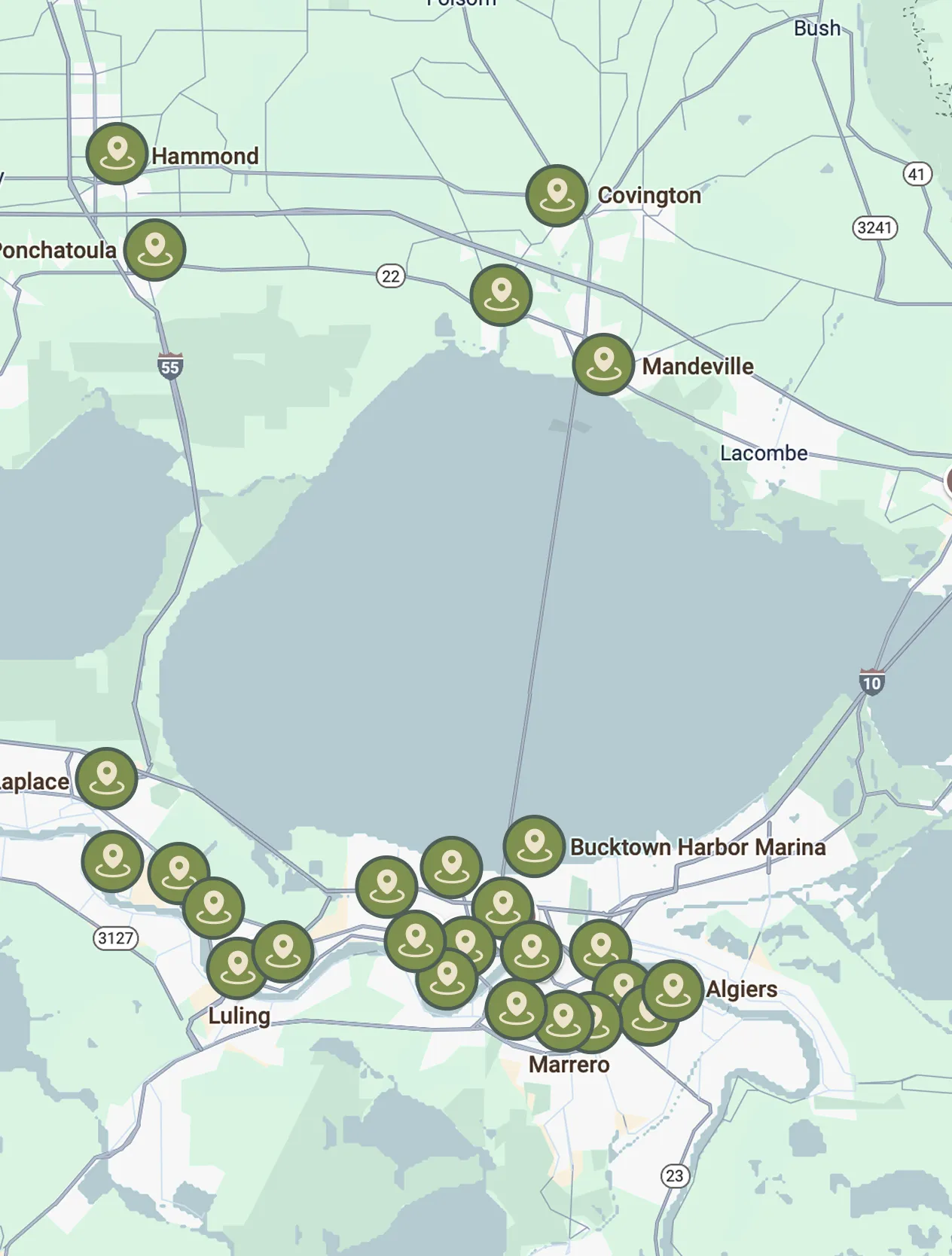
Our service areas are designed to meet the diverse needs of our clients. We focus on providing exceptional service and ensuring customer satisfaction in every location we operate.