Heating Maintenance in Elmwood, LA
.webp)
Comprehensive heating maintenance in Elmwood, LA, ensures your comfort all winter long. At Cypress Cooling, we focus on seasonal tune ups, addressing the common issues specific to our area, and offering practical service options to keep your system running smoothly. Our process includes thorough diagnostics, preventive cleaning, and safety checks to ensure your gas furnace or heat pump remains reliable, despite our humid coastal conditions. We provide homeowners with guidance on recommended service frequency, expected cost savings, and how to extend the life of their equipment. With Cypress Cooling, you'll also benefit from priority scheduling and membership programs for added convenience, plus actionable tips to help you maintain efficiency and indoor air quality year round, leading to consistent comfort and reduced repair risks.
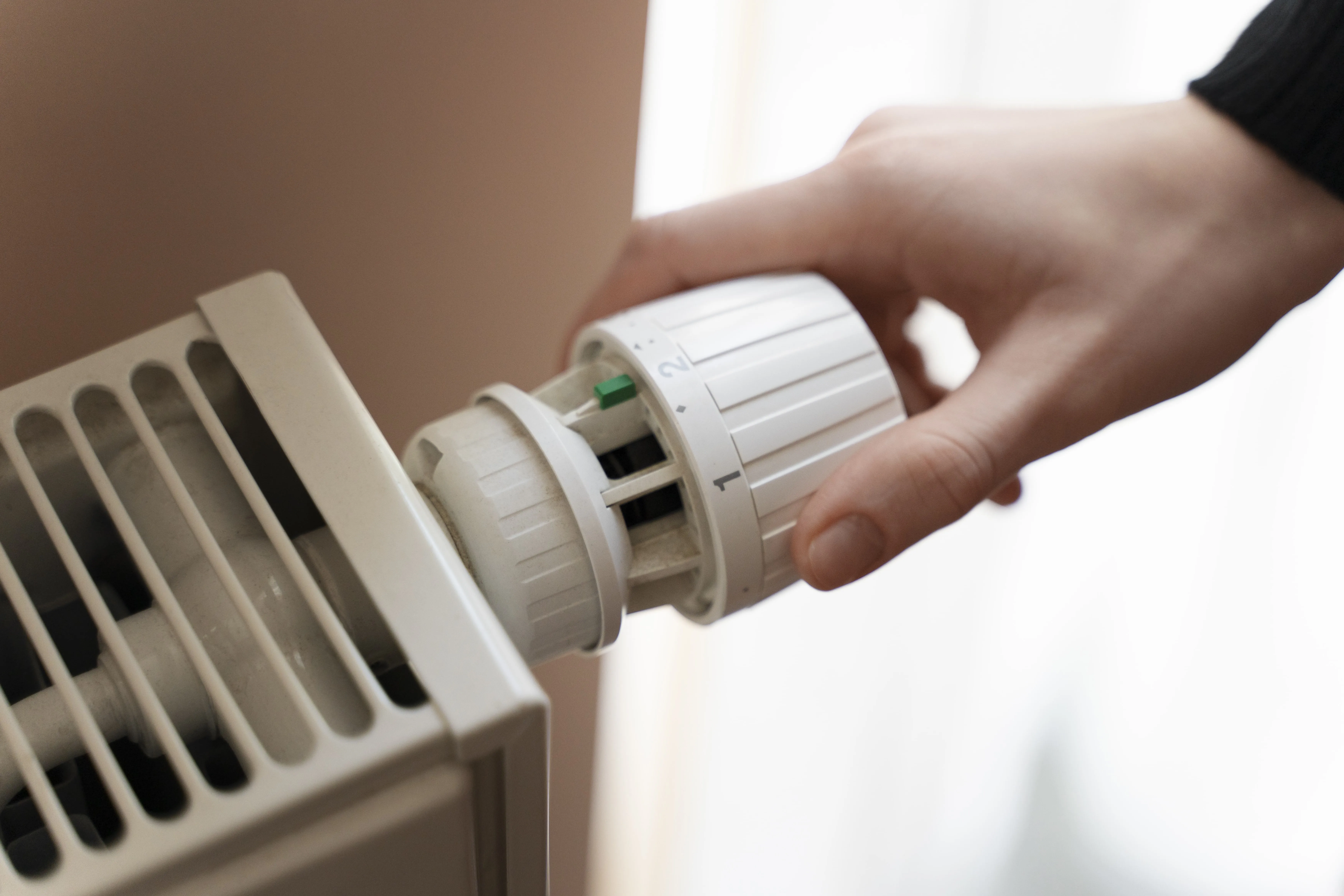
Heating Maintenance in Elmwood, LA
Keep your heating system reliable and efficient in Elmwood, LA
Even though Elmwood winters are milder than in northern states, reliable heating is essential during cold snaps and overnight lows. Preventative heating maintenance in Elmwood, LA protects your comfort, extends equipment life, reduces emergency repairs, and helps systems cope with local challenges like high humidity, coastal salt exposure, and airborne debris. This page explains what a thorough seasonal tune-up includes, common heating problems seen in Elmwood homes, service agreement options with priority scheduling, and smart recommendations for frequency and ongoing care.
Common heating maintenance issues in Elmwood, LA
Homes in Elmwood face a handful of recurring heating-related problems that routine maintenance catches early:
- Reduced efficiency from dirty filters and clogged coils, especially with year-round HVAC use.
- Heat pump performance loss due to refrigerant leaks, frozen coils, or improper defrost cycles.
- Duct issues such as leaks, dust buildup, and mold growth driven by Gulf Coast humidity.
- Corrosion and accelerated wear from coastal salt air on outdoor units and fasteners.
- Safety concerns including blocked vents, cracked heat exchangers on older furnaces, and malfunctioning carbon monoxide safety features.
- Thermostat miscalibration or failing controls that cause short cycling or inconsistent temperatures.
Addressing these during seasonal maintenance minimizes breakdowns during cold snaps and helps systems run more efficiently through the humid months.
What a seasonal heating tune-up covers
A professional preventative heating maintenance program typically includes a systematic inspection and service checklist. Key tasks performed during each visit:
- Visual inspection of the heating system, outdoor unit, and thermostat for wear, corrosion, and proper operation.
- Air filter inspection and replacement recommendations (or replacement if included), with guidance on filter MERV ratings appropriate for your home.
- Cleaning of burners, heat exchanger surfaces, coils, and condensate drains to restore airflow and heat transfer efficiency.
- Lubrication of motors and moving parts where applicable to reduce friction and extend component life.
- Electrical checks: tightening connections, testing capacitors and relays, and verifying voltage and amperage to motors and compressors.
- Combustion and safety checks for gas furnaces: flame integrity, carbon monoxide testing, and venting inspections to ensure safe exhaust.
- Refrigerant level checks and leak detection for heat pumps; evaluation of defrost cycles and reversing valve performance.
- Blower assembly inspection and airflow measurements to identify restriction or improper fan speeds.
- Ductwork assessment for leaks, insulation issues, and signs of mold or moisture intrusion.
- Thermostat calibration and verification of system control sequences.
- Documentation of findings, recommendations for repairs, and a maintenance report to support warranty compliance.
Diagnostic approach and how problems are solved
Technicians follow a methodical diagnostic process focused on identifying root causes rather than temporary fixes:
- Start with system history and symptom review to recreate or observe the reported problem.
- Run performance measurements—temperature differentials, airflow, system pressures, and electrical load—to quantify issues.
- Inspect components most commonly responsible for the symptom (filters, coils, refrigerant circuits, igniters, heat exchangers).
- Repair or replace failing parts according to manufacturer specifications and local code requirements.
- Re-test the system after repairs to confirm normal operation and efficiency restoration.
This approach reduces repeat visits and uncovers secondary issues like duct leaks or insulation problems that frequently contribute to poor heating performance in Elmwood homes.
Service agreement options and priority scheduling
A preventative maintenance program in Elmwood often includes tiered service agreement options tailored to homeowner needs and local climate patterns:
- Annual heating tune-up: Recommended for gas furnaces or standalone heating systems; ensures safety and efficiency before winter.
- Bi-annual service (recommended for heat pump systems): Spring and fall visits to optimize both cooling and heating performance year-round.
- Priority scheduling: Members receive expedited appointment windows during seasonal demand spikes, which is especially valuable during unexpected cold snaps.
- Maintenance record and reporting: Detailed service reports documenting work completed and parts inspected to maintain equipment warranties and resale records.
- Flexible plan features: Options can include filter delivery and replacement, discounted diagnostic rates for covered systems, and seasonal reminders.
Service agreements reduce the risk of emergency failures and help homeowners budget for routine maintenance while ensuring quicker response times when demand is high.
Maintenance frequency and local recommendations
Heating maintenance frequency depends on system type, age, and usage patterns:
- Heat pumps (common in Elmwood): Twice yearly—late spring and early fall—to cover both cooling and heating seasons. Heat pumps run year-round in southern climates and require more frequent checks.
- Gas furnaces: Annual inspection and safety check before the colder months.
- Older systems or homes with indoor air quality issues: Consider more frequent checks and filter changes.Filter replacement guidance for Elmwood homes:
- Standard 1-inch fiberglass filters: Inspect monthly; replace every 30–60 days during heavy use.
- Pleated filters (higher MERV): Replace every 60–90 days depending on household conditions and pet/allergen concerns.
- Homes with pets, smokers, or allergy sufferers: Inspect monthly and change filters more often.
Given Elmwood’s humidity and potential for airborne particulates, keeping filters clean and ducts inspected substantially improves system efficiency and indoor air quality.
Benefits of routine heating maintenance in Elmwood
Regular preventative maintenance delivers tangible benefits tailored to Elmwood homeowners:
- Greater reliability during occasional cold spells and overnight temperature drops.
- Improved energy efficiency and lower operating costs through clean components and proper refrigerant charge.
- Longer equipment life and fewer premature replacements caused by corrosion and mechanical wear.
- Enhanced safety through combustion and carbon monoxide testing on gas systems.
- Better indoor air quality by limiting dust, mold, and pollen circulation—important in humid coastal environments.
- Faster service response and documented maintenance history that can protect warranty coverage and improve home resale value.
Practical homeowner maintenance tips
- Monitor filters monthly and set calendar reminders for inspections.
- Keep outdoor units clear of debris, vegetation, and salt buildup—rinsing gently if needed.
- Seal and insulate accessible duct joints and attic penetrations to reduce energy loss and moisture entry.
- Use a programmable or smart thermostat to avoid unnecessary run time and track system performance anomalies.
- Note unusual noises, odors, or cycling behavior and record when they occur to aid diagnostics.
Routine professional maintenance combined with these simple homeowner actions will keep heating systems in Elmwood operating safely, efficiently, and reliably throughout the year.
OUR CLIENTS HAVE TO SAY ABOUT US



Service areas
Our service areas are designed to meet the diverse needs of our clients. We focus on providing exceptional service and ensuring customer satisfaction in every location we operate.