Heating Installation in St. Rose, LA
.webp)
When it comes to professional heating installation in St. Rose, LA, Cypress Cooling guides homeowners through every stage of the process, from the initial site assessment and precise system sizing to commissioning and homeowner orientation. We understand the local climate and offer a range of equipment options, including heat pumps, gas furnaces, dualfuel systems, and ductless minisplits. We also emphasize the importance of proper ductwork, ventilation, and corrosionresistant components for reliable performance. Our stepbystep process covers permitting, site protection, equipment installation, ductwork, combustion and venting checks, startup testing, and a comprehensive homeowner walkthrough. With Cypress Cooling, you can be confident in lasting comfort, energy efficiency, and making informed decisions about your home's heating system.

Heating Installation in St. Rose, LA
Installing a new heating system in St. Rose, LA is about more than simply replacing equipment. With mild winters, high humidity, occasional cold snaps, and coastal influences from the Mississippi River and nearby Lake Pontchartrain, homeowners in St. Rose need systems sized and configured to balance seasonal comfort, humidity control, corrosion resistance, and energy efficiency. This page explains how a professional heating installation for new construction or system upgrades is planned and executed—from site assessment and accurate sizing to commissioning and homeowner orientation—so you know exactly what to expect.
Why correct heating installation matters in St. Rose, LA
- Climate considerations: Winters can be short but humid. Efficient, properly sized systems prevent short cycling and provide stable indoor temperatures while supporting dehumidification during shoulder seasons.
- Regional risks: Salt air and seasonal storms increase the importance of corrosion-resistant outdoor components and elevated, well-secured installations to reduce flood and wind damage risk.
- Energy and comfort: Accurate sizing and integration with cooling systems preserve comfort year round and reduce utility waste. In St. Rose, many homes benefit from heat pumps or dual fuel systems rather than large gas-only furnaces.
Common heating installation scenarios in St. Rose
- New construction installations for homes being built in St. Charles Parish
- System upgrades: replacing aging furnaces with high-efficiency heat pumps or modern gas furnaces
- Converting from electric resistance heat to heat pump systems for improved efficiency
- Adding or modifying ductwork for better airflow and balanced ventilation
- Installing zoning, smart thermostats, or integrating with existing HVAC and ventilation systems
Site assessment and accurate system sizing
A precise site assessment prevents comfort complaints and inefficiency:
- Walkthrough and measurements: Evaluating building orientation, window areas, insulation, foundation type (slab or crawlspace), attic conditions, and existing HVAC equipment.
- Load calculation: Performing a Manual J style heating and cooling load calculation to determine required capacity. Accurate sizing avoids undersizing that fails to keep up during cold snaps and oversizing that causes short cycling and poor humidity control.
- Fuel and ventilation checks: Confirming natural gas availability, electrical service, combustion air provisions, exhaust venting locations, and space for outdoor units that meet local elevation and clearance needs.
Equipment options and comparisons
- Heat pumps (air-source): Often the best choice for St. Rose because they provide efficient heating and cooling, improved dehumidification during shoulder seasons, and modern models operate effectively in mild southern winters. Look for units with strong HSPF and SEER ratings for year-round efficiency.
- Gas furnaces: Viable where natural gas is available and homeowners prefer combustion heating. High-efficiency modulating furnaces deliver precise temperature control but require proper venting and combustion air management.
- Dual fuel systems: Combine a heat pump with a gas furnace to maximize efficiency across weather extremes, using the heat pump most of the time and switching to gas when temperatures drop below the heat pump optimal range.
- Ductless mini-splits: Useful for additions, homes without ductwork, or rooms requiring separate control. They can be paired with existing systems for hybrid solutions.
Integration with existing ductwork and ventilation
Proper integration preserves system performance:
- Duct evaluation: Inspecting for leaks, insufficient insulation, improper sizing, and blocked returns. In humid climates like St. Rose, sealed and insulated ducts reduce condensation and energy loss.
- Modifications: Enlarging or rerouting ducts, adding returns, or installing dedicated zones to balance airflow.
- Ventilation: Ensuring makeup air, mechanical ventilation, and whole-house humidity control strategies are coordinated with the new system to maintain indoor air quality.
Permitting and code compliance
Heating installations must comply with local and state building codes:
- Permits: Obtaining required permits through St. Charles Parish and ensuring inspections are scheduled and passed.
- Code compliance: Following combustion safety, venting, electrical connections, equipment clearances, and anchoring standards. For coastal and flood-prone areas, installations may require elevated mounting and corrosion-resistant components.
- Documentation: Providing installation records and compliance reports typically needed for occupancy certificates in new construction or for permitting inspections in upgrades.
Step-by-step installation process
- Pre-install preparation: Finalize equipment selection, order materials, and confirm permit approvals.
- Site protection: Protect floors, landscaping, and interior spaces during equipment removal or new equipment delivery.
- Old system removal or rough-in: Disconnect and remove the old heating equipment when applicable; prepare mounting pads and plenum openings for new equipment.
- Mechanical installation: Install furnace, air handler, or outdoor heat pump; mount condensers or packaged units with proper elevation and anchoring; run refrigerant line sets and electrical connections.
- Ductwork and ventilation work: Modify or install duct runs, registers, returns, and ventilation components; insulate and seal joints with mastic or approved tape.
- Combustion and venting: Install flue piping, gas lines with shutoff and leak testing, and ensure adequate combustion air where required.
- Condensate management: Install drain lines, traps, and condensate pumps if necessary to prevent backups in humid conditions.
- Final connections and safety devices: Complete thermostat wiring, install safety switches, pressure relief, and carbon monoxide mitigation where applicable.
Start-up and commissioning procedures
Commissioning verifies the system performs as intended:
- Initial checks: Confirm correct refrigerant charge, gas pressure, electrical connections, and airflow.
- Performance testing: Measure static pressure, supply and return temperatures, and verify heating capacity against calculated loads.
- Safety tests: Verify flame sensing, limit switches, venting, CO levels, and electrical safety interlocks.
- Controls tuning: Program thermostats, set staging, and calibrate zoning controls to align with the load profile of the home.
Homeowner orientation and documentation
A thorough orientation ensures confident operation and long-term performance:
- System walkthrough: Explain how the system operates, thermostat programming, and seasonal setpoints for comfort and efficiency.
- Maintenance overview: Discuss filter types and schedules, coil and condensate line checks, and recommended seasonal inspections.
- Warranty and records: Provide equipment documentation, permit closure information, and a basic troubleshooting checklist for common issues.
- Emergency guidance: Explain safety shutoff procedures, signs of combustion problems, and when to seek professional service.
Long-term benefits and maintenance tips
- Efficiency and comfort: A properly sized and installed system improves comfort, reduces energy bills, and extends equipment life.
- Humidity control: Correctly integrated systems reduce mold risk and improve indoor air quality in St. Rose homes.
- Resilience: Elevated installations, corrosion-resistant materials, and proper anchoring increase equipment longevity in a region subject to storms and humidity.
- Recommended maintenance: Seasonal inspections, biannual filter changes for medium efficiency filters, annual professional tune-ups for heat pumps or gas furnaces, and prompt attention to any airflow or drainage issues.
This overview covers the essential elements of professional heating installation in St. Rose, LA. Accurate site assessment, careful equipment selection, compliant permitting, meticulous installation, and thorough commissioning combine to deliver a reliable system that fits local conditions and your home’s needs.
OUR CLIENTS HAVE TO SAY ABOUT US



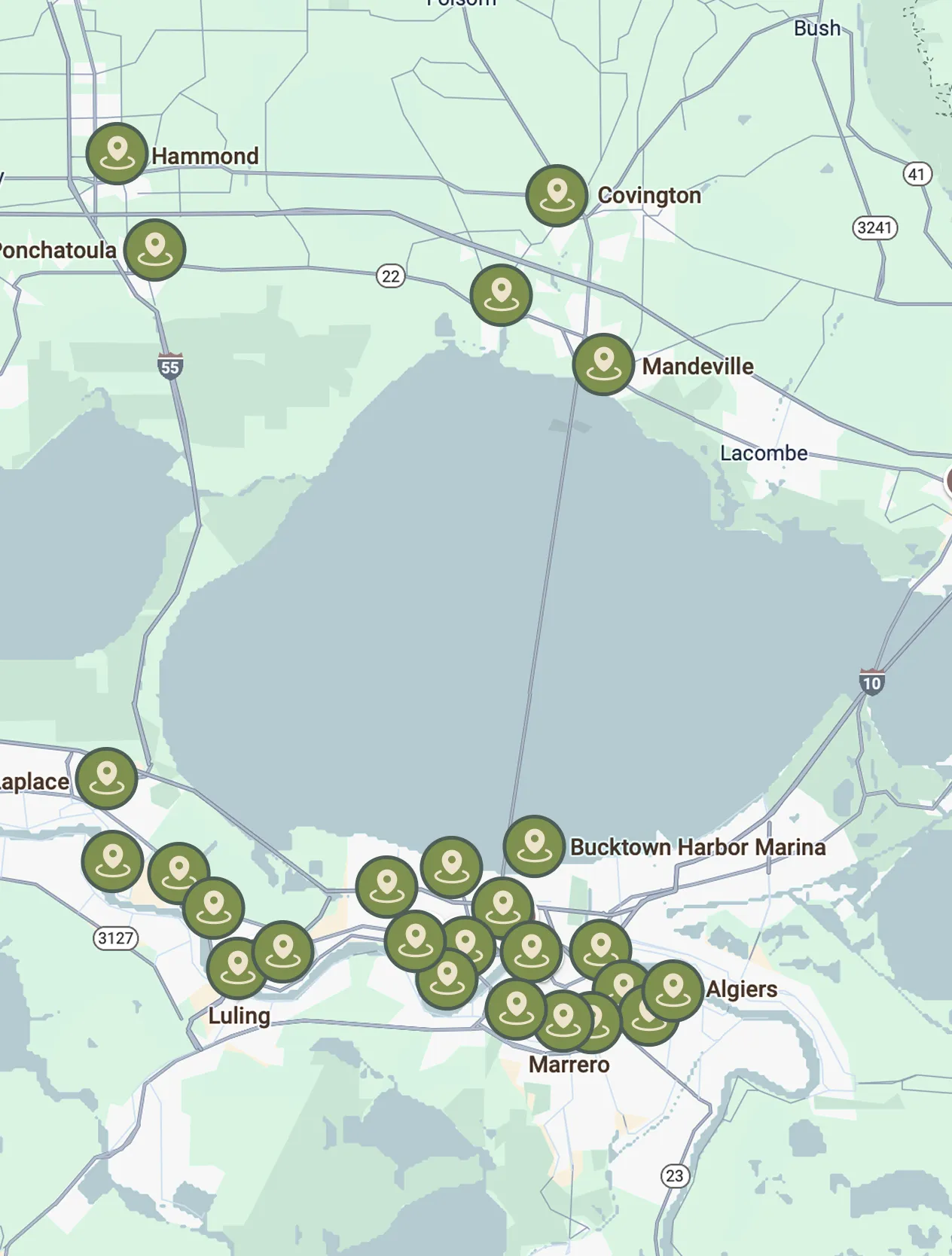
Service areas
Our service areas are designed to meet the diverse needs of our clients. We focus on providing exceptional service and ensuring customer satisfaction in every location we operate.