Heating Installation in Norco, LA
.webp)
Cypress Cooling's heating installation services in Norco, LA, offer a comprehensive and climate conscious approach, beginning with an initial site assessment and Manual J load calculations, extending through commissioning and ongoing post installation support. We understand how the humid subtropical conditions influence system selection, guiding you through heat pumps, furnaces, ductless systems, and hybrid options. We also address ductwork sealing, indoor air quality, and permitting requirements. Cypress Cooling outlines a step by step installation workflow, startup testing, and warranty information, emphasizing energy efficiency, reliable comfort, and proactive maintenance specifically tailored to Norco homes. Expect exceptional service and comprehensive support options from our team.

Heating Installation in Norco, LA
Replacing or installing a new heating system is about more than warmth. In Norco, LA, efficient heating installation protects indoor comfort during occasional cold snaps, controls humidity in a subtropical climate, and reduces energy waste that can drive up utility bills. This page explains the full heating installation process — from site assessment and load calculations to commissioning, indoor air quality, permitting, and post-installation support — so you understand what to expect and why each step matters for homes in Norco, LA.
Why a tailored heating installation matters in Norco, LA
Norco’s mild winters and high year-round humidity change how heating systems should be selected and installed. Systems that work well in colder northern climates are not always the best choice here. Common local considerations include:
- Humidity control to prevent condensation, mold, and poor indoor air quality.
- Resilience to coastal and riverine conditions that can increase corrosion risk for outdoor equipment.
- Seasonal load variability where cooling needs dominate but reliable heat is required for cold nights and occasional fronts.
- Ductwork located in unconditioned crawlspaces or attics that require sealing and insulation to avoid energy loss.
Addressing these factors starts with a professional site assessment and accurate load calculations.
Site assessment and load calculations
A reliable heating installation begins with a detailed site visit and Manual J load calculation. Key elements include:
- Measuring conditioned square footage, ceiling heights, insulation levels, window areas and orientations.
- Evaluating attic and crawlspace insulation, duct locations, and existing airflow.
- Reviewing household occupancy patterns and thermostat preferences.
- Accounting for Norco climate data so sizing balances efficient operation with comfort during cold spikes.
Proper sizing prevents short cycling, reduces wear, and keeps running costs lower. Oversized systems increase energy use and humidity problems. Undersized systems leave rooms cold and strain equipment.
Choosing the right system: furnace, heat pump, or other
Selecting the optimal system depends on your home, fuel availability, and efficiency goals. Practical options for Norco, LA include:
- Heat pumps
- Best choice for many Norco homes because they provide efficient heating and cooling in a mild climate.
- Modern cold-climate and variable-speed models maintain heat output during cooler nights while offering excellent dehumidification in shoulder seasons.
- Consider high-efficiency SEER/HSPF ratings and inverter-driven compressors for quieter, more consistent comfort.
- Furnaces (gas or propane)
- Useful where natural gas or propane is preferred or already serviced.
- High-efficiency condensing furnaces provide reliable heat, but pairing with proper humidity control is important in Norco’s humid environment.
- Ductless mini-splits or multi-zone systems
- Ideal for homes without ductwork or for room-by-room control.
- Offer flexible installation and efficient heat with less disruption.
- Hybrid systems
- Combine heat pump and furnace to optimize efficiency across seasons when there are extreme cold events.
Choosing the right option requires balancing upfront cost, operating cost, fuel access, and long-term performance in local climate conditions.
Ductwork and indoor air quality considerations
Duct design and indoor air quality are central to a successful installation in humid subtropical areas.
- Duct evaluation: Inspect for leaks, poor insulation, or undersized runs. Sealing and insulating ducts in attics or crawlspaces improves efficiency and comfort.
- Airflow balancing: Correct airflow prevents hot or cold spots and ensures dehumidification works effectively.
- Ventilation and filtration: Proper ventilation and MERV-rated filters reduce allergens and particulates. Consider adding:
- Whole-home dehumidifiers to control humidity during mild winters
- UV lights or advanced filtration for improved indoor air quality in homes near industrial areas or along the river
- Smart thermostats to manage schedules and prevent short cycling
Permitting and code compliance
Heating installations in Norco must meet local building codes and permitting requirements. Typical steps include:
- Obtaining building and mechanical permits from the appropriate parish or municipal office before work begins.
- Installing equipment that meets state and local efficiency and safety standards.
- Scheduling inspections for gas connections, electrical work, combustion safety, and final mechanical compliance.
A licensed installer will prepare and submit permit documents, coordinate inspections, and ensure all work follows local regulations and manufacturer guidelines.
Step-by-step installation workflow
A professional installation follows a clear sequence to ensure safety and performance:
- Finalize system selection after load calculations and written proposal.
- Secure permits and schedule installation date.
- Remove old equipment safely, including proper disposal or recycling.
- Prepare site: reinforce pad, weatherproof outdoor locations, and clear vegetation.
- Modify or replace ductwork as needed. Seal and insulate ducts in unconditioned spaces.
- Install indoor unit, outdoor unit, or furnace and connect refrigerant, gas, condensate, and electrical systems.
- Install controls and thermostats, including zoning components if applicable.
- Run initial system checks and provide homeowner orientation.
Each step includes safety checks and documentation to ensure the system performs from day one.
Start-up testing and commissioning
Commissioning confirms the system is installed correctly and tuned for your home. Tests typically include:
- Verifying correct refrigerant charge and measuring superheat/subcooling on heat pumps.
- Measuring airflow and static pressure across the system and individual registers.
- Checking combustion efficiency and flue safety on combustion appliances.
- Confirming thermostat calibration, proper cycling, and performance under load.
- Inspecting condensate drainage and electrical connections.
Results are documented and adjustments made to optimize efficiency and comfort.
Post-installation support and warranties
Long-term performance depends on support after installation. Expect the following:
- Manufacturer warranties on major components and compressor protection.
- Labor warranty for workmanship covering installation-related issues for a specified period.
- Start-up documentation and maintenance recommendations, including scheduled tune-ups.
- Recommended maintenance: seasonal inspections, filter changes, refrigerant checks, and duct cleaning when necessary.
Registering equipment with the manufacturer and following recommended maintenance extends system life and preserves warranty coverage.
Benefits and maintenance advice for Norco homeowners
A properly designed and installed heating system delivers consistent comfort, better indoor air quality, and lower energy bills. For Norco homes specifically:
- Prioritize heat pumps and dehumidification for efficient year-round comfort.
- Seal and insulate ductwork to reduce energy loss in humid, variable temperatures.
- Schedule annual maintenance before the cooler season to verify heating readiness and airflow performance.
- Replace air filters regularly, monitor humidity levels indoors, and keep outdoor units clear of debris and corrosion-prone exposure.
Understanding the full process from load calculation to final commissioning ensures your heating installation provides safe, efficient, and reliable comfort tailored to Norco, LA conditions.
OUR CLIENTS HAVE TO SAY ABOUT US



Service areas
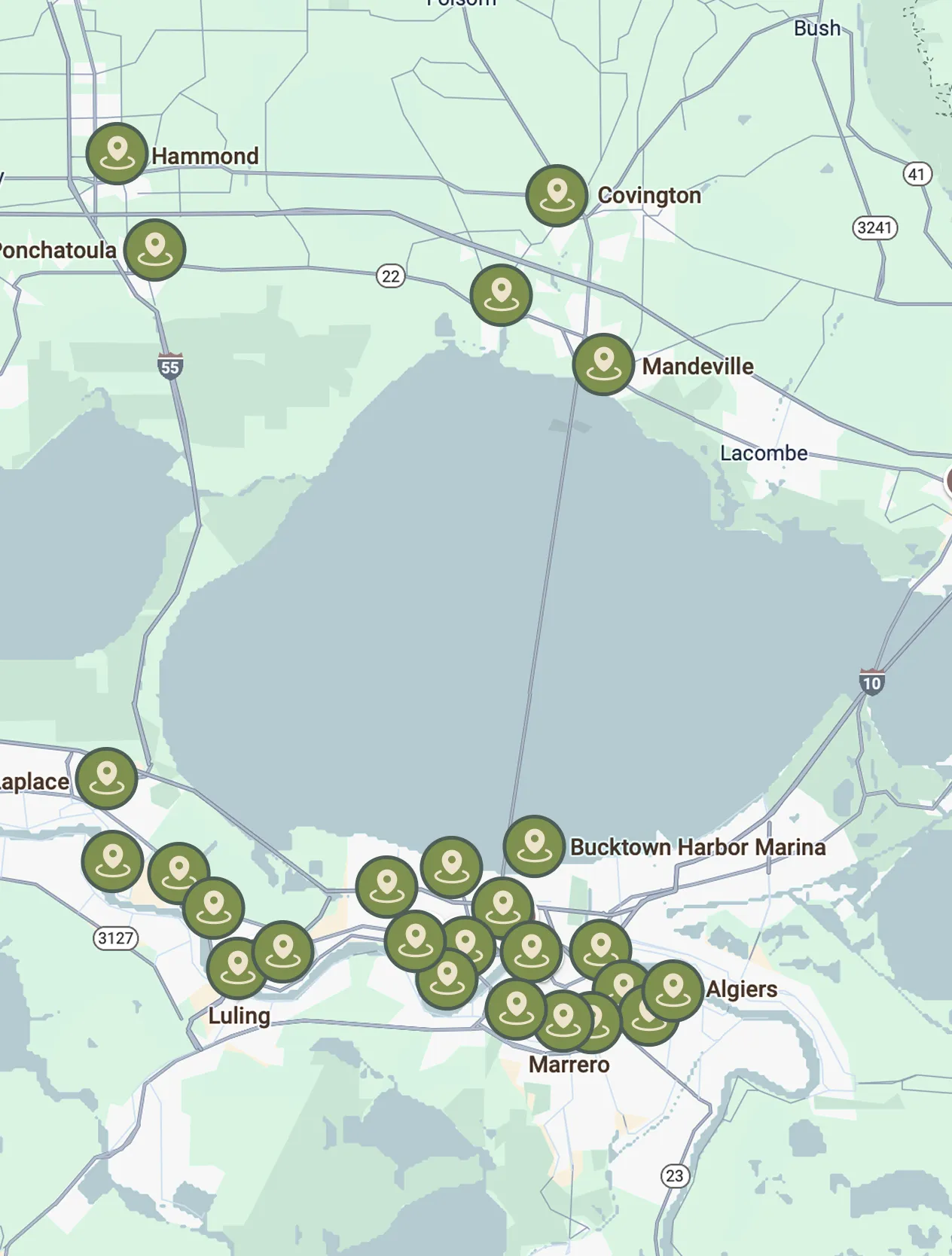
Our service areas are designed to meet the diverse needs of our clients. We focus on providing exceptional service and ensuring customer satisfaction in every location we operate.