Heating Installation in New Sarpy, LA
.webp)
When considering heating installation in New Sarpy, LA, the process with Cypress Cooling starts with a thorough site assessment and precise load calculations. We carefully review your existing ductwork and help you select the ideal equipment for your home. Proper sizing, adherence to local codes, and meticulous installation are paramount for ensuring comfort, efficiency, and the longevity of your system. Homeowners can explore options like high efficiency heat pumps, gas furnaces, ductless systems, and customized hybrid setups. Cypress Cooling's comprehensive process includes expert installation, rigorous testing, careful commissioning, and detailed post install maintenance guidance. Our professional, code compliant workmanship guarantees reliable year round comfort and optimal long term performance.
Heating Installation in New Sarpy, LA
A properly sized, code‑compliant heating system keeps your New Sarpy home comfortable through sudden Gulf Coast cold fronts while minimizing energy waste. Whether you are replacing an aging furnace, upgrading to a high-efficiency heat pump, or installing a ductless solution for a room addition, new heating system installation in New Sarpy, LA requires careful planning that accounts for local climate, home construction, and permitting. This page explains the process, common issues homeowners face, and what to expect from a professional installation so you can make an informed decision.
Why proper heating installation matters in New Sarpy, LA
New Sarpy sits in a humid subtropical climate where winters are usually mild but occasionally bring rapid temperature drops. That means:
- Systems sized too small will struggle during cold snaps.
- Oversized equipment cycles frequently, increasing wear and reducing dehumidification.
- Coastal and river proximity can accelerate corrosion on outdoor components when salt air or humidity is present.
- Many local homes have older duct systems, raised foundations, or limited attic space, which affects airflow and distribution.
A correct installation improves comfort, reduces energy costs, and prolongs equipment life while meeting local building codes.
Common heating installation types for New Sarpy homes
- High-efficiency heat pumps (air-source): Best match for mild Louisiana winters; provide both heating and cooling with excellent efficiency.
- Gas furnaces: Found in some homes; good for colder periods but require proper venting and combustion safety checks.
- Ductless mini-split systems: Ideal for additions, rooms without ductwork, or zoned comfort.
- Hybrid systems: Combine a heat pump with a gas furnace for balanced performance in varying temperatures.
Site assessment and load calculations
A professional installation begins with a detailed site assessment and load calculation. Steps include:
- Performing a Manual J style heat loss and gain calculation to determine the exact heating capacity needed based on home orientation, insulation levels, window types, and local temperature profiles.
- Inspecting the building envelope for air leaks, insulation gaps, and moisture intrusion that will affect performance in New Sarpy’s humid climate.
- Evaluating existing electrical service and fuel supply to confirm compatibility with proposed equipment.
Accurate load calculations prevent oversizing or undersizing, both of which can cause comfort and efficiency problems.
Ductwork inspection and upgrades
Ductwork is often the weakest link in HVAC performance. A thorough inspection will:
- Check for leaks, disconnected runs, crushed or undersized ducts, and poor insulation.
- Measure airflow and static pressure to ensure each room receives the designed CFM.
- Recommend sealing, rebalancing, or partial/full replacement when required.
- Consider duct material and routing options that resist moisture and mold growth in humid environments.
Upgrading or sealing ducts can significantly boost system efficiency and comfort without changing equipment.
Equipment selection guidance
Choosing the right equipment for New Sarpy homes requires balancing efficiency, durability, and local conditions:
- Look for equipment rated for coastal and humid conditions, with corrosion-resistant coils and protected controls.
- Prioritize sensible sizing based on actual load calculations rather than rule‑of‑thumb tonnage.
- Consider SEER and HSPF ratings for heat pumps; higher efficiency yields long-term savings in a climate where cooling demand is substantial.
- Evaluate noise, warranty length, and availability of local service and parts.
A good installer will present options, explain tradeoffs, and match equipment to your home and budget.
Step-by-step installation procedures
Typical installation workflow:
- Finalize equipment selection and prepare permit documentation.
- Remove old equipment safely, salvaging reusable components where appropriate.
- Modify or install ductwork, registers, and ventilation as needed.
- Mount indoor and outdoor units, set proper clearances for airflow and maintenance access.
- Connect refrigerant lines, gas lines, or electrical service according to code.
- Insulate and protect lines and ducts to prevent condensation and energy loss.
- Install controls and thermostats with zoning if required.
Installations can range from a single day for straightforward replacements to several days when major ductwork or structural modifications are necessary.
Permits and code compliance
All installations must comply with local building and mechanical codes. Typical permit and compliance items:
- Obtaining permits from the local building department before work begins.
- Following state and local mechanical, fuel gas, and electrical codes during installation.
- Providing documentation such as load calculations and equipment specifications for inspections.
- Scheduling and passing final inspections before system activation.
Compliance safeguards safety, ensures insurance validity, and protects future resale value.
Commissioning and system testing
Commissioning confirms the system performs as designed. Tests and checks include:
- Verifying proper refrigerant charge and pressures for heat pumps.
- Measuring airflow and room-by-room temperature differentials.
- Testing safety controls, combustion ventilation (for gas units), and flue draft.
- Calibrating thermostats and verifying control sequences for multi-stage or zoned systems.
- Running a full system performance check under load conditions to confirm efficiency and comfort.
Detailed commissioning documentation helps with future maintenance and warranty claims.
Maintenance recommendations for longevity
Regular maintenance extends equipment life and keeps warranties valid. Recommended practices:
- Schedule annual tune-ups, ideally before seasonal demand increases.
- Replace filters every 1 to 3 months based on use and indoor air quality needs.
- Inspect condensate drains and pans for clogs and microbial growth, a common concern in humid climates.
- Check outdoor units for debris, corrosion, and proper drainage.
- Verify duct seals and insulation periodically, especially after any home renovations.
Proactive maintenance minimizes emergency repairs and maintains efficient operation.
Warranties and financing options
Typical protections and options to consider:
- Manufacturer warranties on major components such as compressors and heat exchangers, often ranging from limited to extended terms.
- Labor warranties covering installation workmanship; these vary by installer and may be offered for a fixed term.
- Performance guarantees or commissioning sign-off documentation that supports warranty coverage.
- Financing options and potential local utility rebates or incentives for high-efficiency equipment that can lower upfront cost and improve payback for efficient systems.
Review warranty terms and any required maintenance to keep coverage valid.
Final note
Installing a new heating system in New Sarpy, LA requires attention to sizing, ductwork, local climate impacts, and code compliance to achieve reliable comfort and efficient operation. A detailed site assessment, careful equipment selection, professional installation, and documented commissioning are the elements that deliver the long-term performance your home needs during occasional winter cold snaps and year-round humidity challenges.
OUR CLIENTS HAVE TO SAY ABOUT US



Service areas
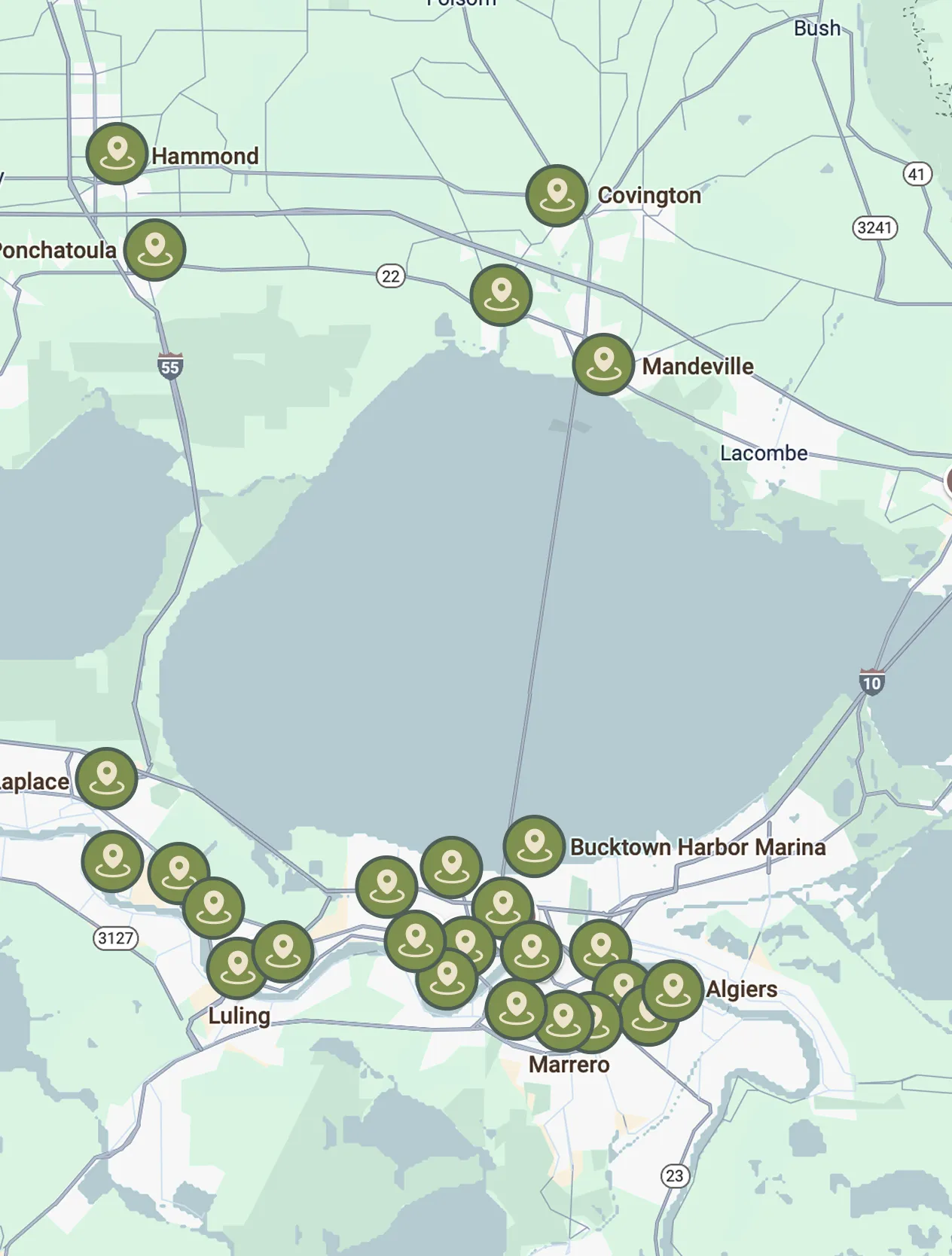
Our service areas are designed to meet the diverse needs of our clients. We focus on providing exceptional service and ensuring customer satisfaction in every location we operate.