
Heating Installation in Hammond, LA
.webp)
Cypress Cooling's complete heating installation process for Hammond, LA homes covers every detail, from the initial consultation and comprehensive home assessment to system commissioning, warranty registration, and recommended follow up maintenance. We explain all available system options, including gas furnaces, electric heat pumps, hybrids, and ductless systems, and emphasize the importance of professional installation by Cypress Cooling to ensure safety, code compliance, and long term reliability. Our process includes step by step guidance on site preparation, equipment selection, ductwork considerations, control system options, and thorough testing. We also highlight the importance of proper system commissioning, meticulous documentation, and ongoing maintenance to maintain energy efficiency and consistent comfort with your Cypress Cooling system.
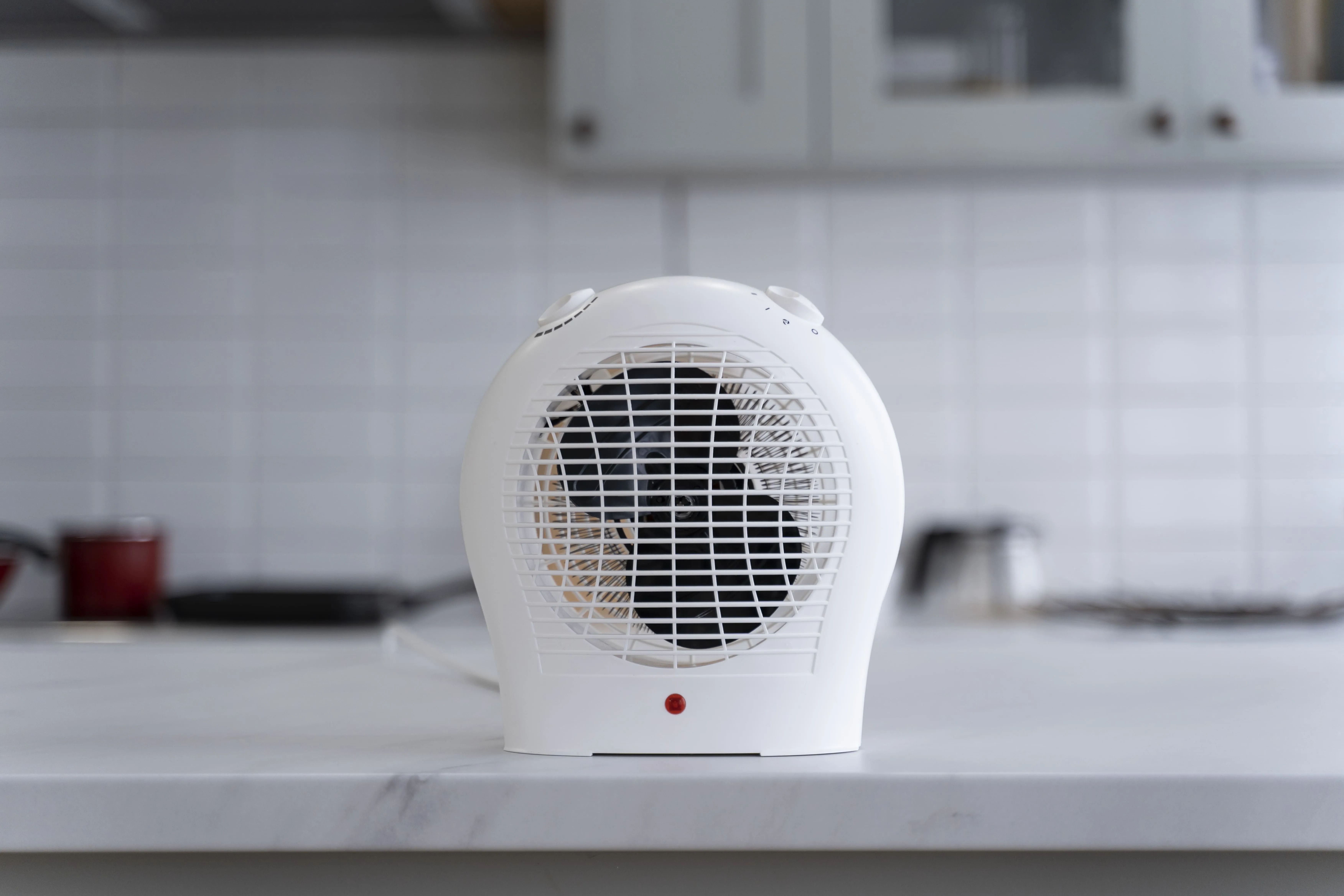
Heating Installation in Hammond, LA
Upgrading to a new heating system is an investment in year-round comfort and energy efficiency for Hammond, LA homes. With mild winters punctuated by occasional cold fronts and high humidity most of the year, the right heating system and a professional installation keep indoor temperatures stable, reduce energy waste, and prevent moisture-related issues. This page explains the full new heating system installation process—from the initial consultation and home assessment to commissioning, warranty registration, and recommended follow-up maintenance—so you know exactly what to expect when scheduling a Heating Installation in Hammond, LA.
Why a professional heating installation matters in Hammond, LA
Hammond’s climate influences system selection and installation priorities. High humidity increases the importance of proper airflow, duct sealing, and indoor air quality controls. Occasional cold snaps require accurately sized equipment so the system can meet peak load without short cycling. A professional installation protects safety, ensures code compliance, and maximizes system life and efficiency.
Common heating system options for Hammond homes
- Gas furnaces: Reliable during cold snaps where natural gas or propane is available. Proper venting and combustion testing are essential.
- Electric heat pumps: Highly efficient for mild winters, provide both heating and cooling, and are well suited to southern climates.
- Hybrid systems: Combine a heat pump with a gas furnace to balance efficiency and performance in variable temperatures.
- Ductless mini-splits: Practical for additions, converted spaces, or homes without ductwork.
Each option has tradeoffs in upfront cost, operating cost, and performance. The selection process should consider local fuel availability, insulation levels, and your comfort priorities.
Initial consultation and home assessment
A thorough in-home assessment is the foundation of a correct installation:
- Visual inspection of existing equipment, ductwork, vents, and mechanical room.
- Building envelope review: insulation levels, window types, attic and crawlspace conditions.
- Airflow and distribution inspection: return and supply locations, duct sizing, and leak points.
- Load calculation (Manual J): a precise heating load calculation based on square footage, construction, orientation, and local climate conditions to size equipment correctly.
- Venting and fuel evaluation: determine if existing venting meets code and if the fuel source (natural gas, propane, or electric) is appropriate.
This assessment identifies opportunities to improve efficiency—such as sealing ducts or adding insulation—that lower equipment size needs and operating costs.
Equipment selection guidance
Choosing the right unit requires balancing comfort, efficiency, and budget:
- Prioritize properly sized equipment over the highest efficiency rating; an oversized system can short cycle and increase humidity issues.
- For heat pumps, look at HSPF and SEER ratings; for furnaces, consider AFUE rating and proper venting arrangements.
- Consider equipment features that matter in humid climates: variable-speed blowers, two-stage or modulating heat, and integrated humidification or dehumidification controls.
- Evaluate filter and indoor air quality options—high-efficiency filtration and UV or electronic cleaners can reduce particulate and mold growth in humid conditions.
Documented benefits of correct selection include lower energy bills, improved comfort, and fewer service calls.
Ductwork and venting considerations
Ductwork performance is critical in Hammond homes:
- Inspect and seal leaks at joints and return plenums to prevent conditioned air loss and reduce humidity intrusion.
- Verify duct sizing and airflow balance; improper duct design can cause cold spots and higher system run times.
- Add insulation to ducts in unconditioned attics or crawlspaces to prevent heat loss and condensation.
- For combustion equipment, confirm venting meets clearance and termination requirements and that flue paths are unobstructed.
Properly installed ductwork increases comfort and system efficiency while reducing long-term maintenance needs.
Professional installation steps
A systematic installation protects safety and performance:
- Pre-install planning and permitting: secure required local permits and prepare a project plan that includes any necessary duct repairs or electrical upgrades.
- Safe removal of existing equipment: follow containment procedures to avoid dust and debris in living spaces.
- Equipment placement and connections: position the new unit for optimal airflow, make refrigerant or fuel connections per manufacturer specifications, and install properly sized electrical and gas lines if needed.
- Duct and vent modifications: implement sealing, insulation, and any necessary register or return adjustments.
- Thermostat and controls setup: upgrade or recalibrate thermostats for zoning, programmability, or smart integration.
- Safety compliance checks: verify combustion air, venting clearances, and install safety devices such as carbon monoxide detectors where required.
Each step follows local codes and manufacturer installation guidelines to protect longevity and warranty validity.
Code and safety compliance
Installations in Hammond must meet applicable building and mechanical codes and safety standards:
- Obtain and post required permits and inspection documentation.
- Ensure combustion appliances have correct clearances, venting, and combustion air.
- Install or confirm operation of carbon monoxide alarms and appropriate shutoffs.
- Adhere to electrical codes for disconnects, wire sizing, and grounding.
- Record compliance steps in the job documentation for homeowner records and warranty registration.
Compliance protects occupants and avoids costly corrective work during inspections.
System commissioning and performance testing
Commissioning verifies the system operates as intended:
- Airflow and static pressure testing to confirm proper CFM distribution.
- Refrigerant charge verification for heat pumps and refrigeration circuits.
- Combustion analysis for gas furnaces to ensure safe and efficient fuel burning.
- Thermostat calibration and zoning balance checks.
- Measured run cycles to confirm even temperature delivery and to check for short cycling.
- Provide a written performance report including baseline efficiencies and test results.
This testing identifies issues immediately so they can be corrected before handover.
Warranty registration and documentation
After installation, register equipment warranties per manufacturer requirements and provide homeowners with:
- Copies of permits and inspection approvals.
- Operation manuals and maintenance schedules.
- Warranty certificates and registration receipts.
- The commissioning report and any recommendations for future upgrades.
Timely registration preserves manufacturer protections and clarifies responsibilities.
Recommended follow-up maintenance for reliable operation
To keep a new system performing in Hammond’s climate:
- Schedule an annual heating tune-up before the cold season to check combustion, refrigerant, electrical components, and airflow.
- Replace or clean filters every 1 to 3 months depending on filter type and indoor air conditions.
- Inspect ducts and vents every 2 to 4 years for leaks, mold, and insulation issues; address sealing and cleaning as needed.
- Monitor thermostat performance and battery-powered components seasonally.
- Keep outdoor units clear of debris, vegetation, and insulation that could trap moisture.
Routine maintenance maintains efficiency, reduces repairs, and protects warranty coverage.
Benefits of a correctly installed heating system
A professionally installed heating system in Hammond, LA delivers:
- Consistent comfort during cold snaps without excessive run times.
- Lower energy costs from correct sizing, sealed ducts, and efficient equipment.
- Better indoor air quality and reduced moisture-related problems.
- Greater system longevity and fewer emergency repairs.
- Compliance with safety codes and manufacturer warranty protection.
A considered installation that matches Hammond’s climate and home characteristics ensures reliable warmth, improved air quality, and predictable operating costs for years to come.
OUR CLIENTS HAVE TO SAY ABOUT US



Service areas
Our service areas are designed to meet the diverse needs of our clients. We focus on providing exceptional service and ensuring customer satisfaction in every location we operate.