Heat Pump Replacement in Harvey, LA
.webp)
Upgrading your heat pump is one of the most effective ways to restore comfort, cut utility costs, and avoid ongoing repair headaches in Harvey, LA homes. With hot, humid summers, mild winters, and coastal exposure, Harvey properties demand properly sized, corrosion resistant equipment and careful installation. Cypress Cooling explains full system heat pump replacement services: how we evaluate existing equipment, perform load calculations and sizing, compare energy efficient models, remove and dispose of old units, and complete a professional installation with appropriate warranties, financing options, and expected efficiency gains.
%2520(2)-min.webp)
Heat Pump Replacement in Harvey, LA
Upgrading your heat pump is one of the most effective ways to restore comfort, cut utility costs, and avoid ongoing repair headaches in Harvey, LA homes. With hot, humid summers, mild winters, and coastal exposure, Harvey properties demand properly sized, corrosion-resistant equipment and careful installation. This page explains full-system heat pump replacement services: how we evaluate existing equipment, perform load calculations and sizing, compare energy-efficient models, remove and dispose of old units, and complete a professional installation with appropriate warranties, financing options, and expected efficiency gains.
Why homeowners in Harvey choose a full heat pump replacement
Common heat pump replacement triggers in Harvey, LA include:
- Age and chronic failures: older units lose capacity and require frequent repairs.
- Rising energy bills: inefficient compressors and outdated controls increase operating costs.
- Poor humidity control and comfort: undersized or degraded systems struggle in coastal humidity.
- Corrosion and physical damage: salt air and storm exposure accelerate metal and coil deterioration.
- Phase-out of older refrigerants: systems using legacy refrigerants can be costly or illegal to recharge.
- Mismatched system components or ductwork issues that reduce performance.
Understanding the local climate and flood risk in Harvey helps determine whether replacement should include elevated mounting, coastal-grade coatings, or upgraded drainage and anchoring to withstand tropical storms.
Evaluation and diagnostics: what gets checked first
A thorough pre-replacement inspection sets the stage for a reliable installation:
- Visual and operational assessment of the outdoor unit, indoor coil, blower, ducting, and thermostat.
- Refrigerant checks to identify leaks and determine whether safe recovery and disposal are required.
- Electrical evaluation including breaker size, disconnects, and service capacity.
- Duct inspection for leaks, insulation, and balance.
- Site assessment for unit placement, clearances, noise considerations, and flood or wind exposure.
- Review of past service history and any manufacturer recalls or warranty possibilities.
This diagnostic step reveals whether a partial repair will suffice or a full-system replacement provides better long-term value.
Load calculations and proper sizing
Proper sizing is essential. A professional load calculation (Manual J) considers:
- Home square footage, ceiling heights, insulation levels, window types, orientation, and shading.
- Local climate factors like heat gain from humidity and solar load in Harvey, LA.
- Duct losses and ventilation needs.
Correct sizing avoids the pitfalls of oversizing, which causes short cycling and poor dehumidification, and undersizing, which leads to insufficient comfort and continuous running. The result is a system that delivers steady temperatures, reliable humidity control, and predictable energy use.
Choosing energy-efficient models for Harvey homes
When comparing models, focus on features that matter in coastal Louisiana:
- Higher SEER and HSPF ratings for improved seasonal cooling and heating efficiency.
- Variable-speed inverter compressors for quieter operation, tighter temperature control, and better moisture removal.
- Corrosion-resistant coatings and stainless-steel fasteners to resist salt-air damage.
- Enhanced dehumidification options or integrated whole-house dehumidifiers for humid months.
- Compatibility with smart thermostats and zoning systems for more precise comfort and energy savings.
- Manufacturer warranty length and what components are covered.
Selecting the right combination of efficiency, durability, and control features yields the best long-term performance for Harvey residences.
Removal and disposal of old units
Safe, compliant removal includes:
- Refrigerant recovery following federal and state regulations.
- Proper recycling or disposal of coil materials, compressors, and electrical components.
- Site cleanup and preparation of the pad or platform for the new unit.
- Documentation of disposal as required by local codes.
Proper disposal protects your home and the environment while keeping you in compliance with regulations.
Professional installation process and typical timeline
A professional replacement follows a clear sequence:
- Disconnect and remove old equipment, recover refrigerant.
- Prepare or replace the concrete pad or mounting platform; adjust for flood or wind requirements if needed.
- Install matched outdoor and indoor components, run and insulate refrigerant lines, and update electrical connections.
- Set up thermostat, controls, and any zoning or dehumidification equipment.
- Start up, charge to correct refrigerant levels if required, test operating parameters, and perform airflow and temperature balance checks.
- Final walkthrough explaining system operation and maintenance needs.
Most whole-system replacements in typical single-family homes are completed within one to three days depending on complexity, ductwork modifications, and permitting.
Project cost factors and breakdown
Replacement cost varies based on:
- System capacity and efficiency level chosen.
- Complexity of duct repairs, sealing, or insulation upgrades.
- Electrical upgrades or new disconnects and circuit capacity requirements.
- Coastal or storm-hardening upgrades, such as elevated mounts or extra bracing.
- Permits, disposal fees, and local code compliance measures.
- Labor for installation and any required structural modifications.
A clear breakdown explains what each component of the project covers so you understand how choices affect performance and longevity.
Warranties, manufacturer guarantees, financing and incentives
Most modern heat pumps come with standard manufacturer warranties on compressors and parts, with extended options available through registration or additional plans. Warranties may require professional installation and routine maintenance to remain valid. Financing options for replacement systems commonly include low-interest plans or payment schedules through third-party lenders. Local and federal incentives or utility rebates may apply for high-efficiency units or specific refrigerant types; eligibility often depends on model efficiency and installation documentation.
Expected efficiency and comfort improvements
Replacing an aging heat pump with a modern, properly sized system typically results in:
- Noticeably lower cooling and heating costs thanks to higher efficiency ratings.
- More consistent indoor temperatures and improved humidity control in Harvey humidity.
- Quieter operation and improved airflow distribution.
- Fewer breakdowns and lower repair expenses over time.
- Better indoor air quality when paired with improved filtration and duct sealing.
Modern heat pumps deliver measurable comfort improvements, especially when matched to the home through correct sizing and quality installation.
Maintenance for longevity
To protect your investment in Harvey, LA:
- Schedule an annual tune-up to check refrigerant, electrical connections, and airflow.
- Replace filters regularly and keep the outdoor unit clear of debris and vegetation.
- Inspect condensate drains and ensure proper drainage during heavy rain events.
- Consider seasonal preparations such as securing or protecting units before storm season.
Regular maintenance preserves efficiency, extends service life, and helps maintain warranty eligibility.
Replacing your heat pump is a major home investment that should prioritize proper sizing, coastal durability, compliant disposal, and a professional installation process. When done correctly, a full-system replacement restores comfort, reduces energy use, and provides dependable performance tailored to Harvey, LA conditions.
OUR CLIENTS HAVE TO SAY ABOUT US



Service areas
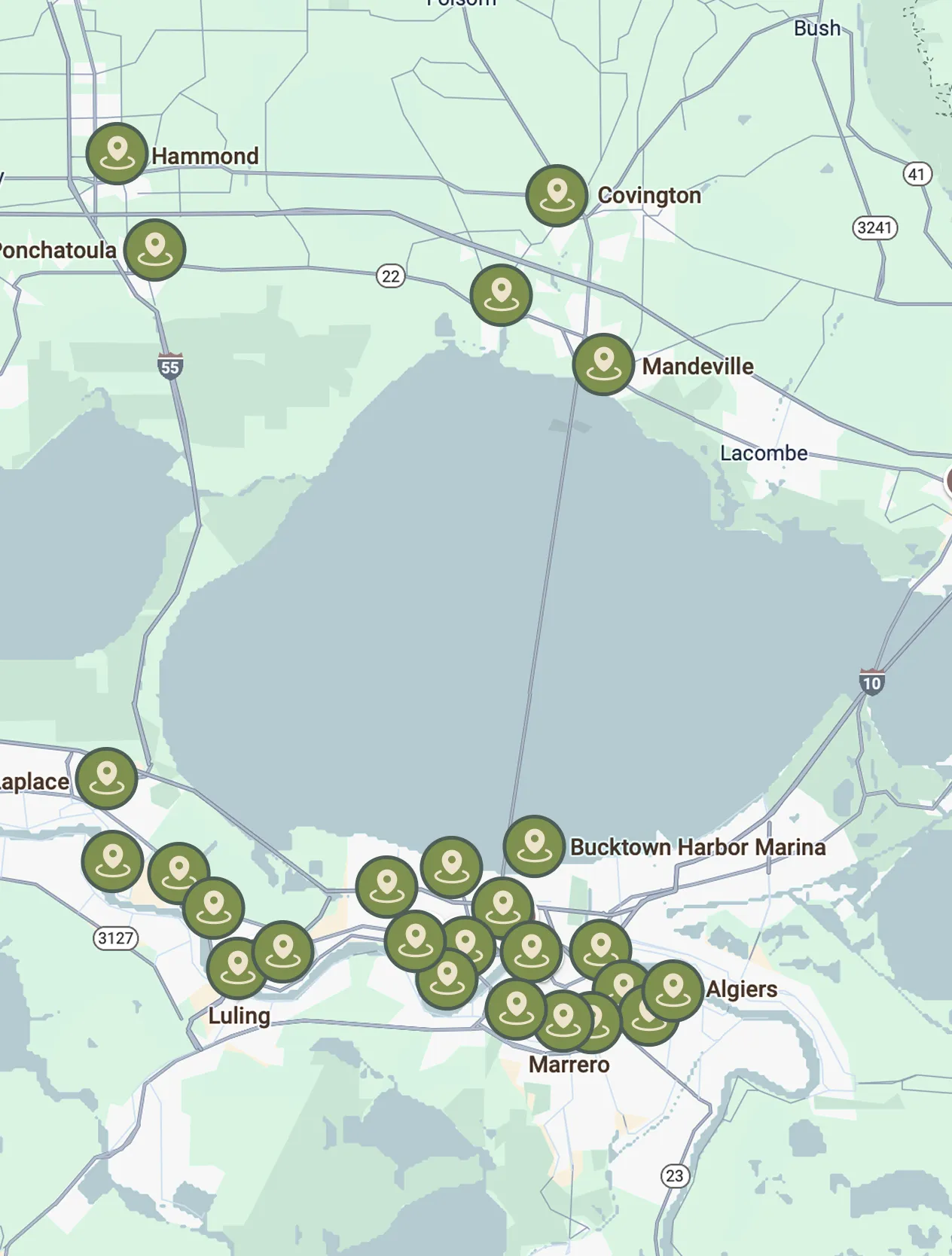
Our service areas are designed to meet the diverse needs of our clients. We focus on providing exceptional service and ensuring customer satisfaction in every location we operate.