Heat Pump Repair in Terrytown, LA
.webp)
Cypress Cooling's heat pump repair services in Terrytown, LA, address common failure modes such as compressor issues, reversing valve problems, refrigerant leaks, and control malfunctions. We outline a step by step diagnostic process and transparent repair options. We'll explain expected timelines, from 1–2 hour diagnostic visits to multi hour repairs, and distinguish emergency from scheduled services. We also cover technician qualifications, pricing considerations, and practical maintenance tips to extend system life, such as filter changes, seasonal tune ups, and protecting coils in our humid coastal conditions.
-min.jpeg)
Heat Pump Repair in Terrytown, LA
When your heat pump stops delivering reliable heating or cooling, it affects comfort and energy bills fast. Heat pump repair in Terrytown, LA focuses on diagnosing problems common to humid subtropical climates and restoring efficient operation safely and predictably. This page explains typical failure modes, how technicians diagnose and fix them, what to expect in timing and costs, and practical steps to reduce repeat breakdowns in Terrytown homes.
Why heat pump repair matters in Terrytown, LA
Terrytown experiences hot, humid summers and mild winters. That climate places continuous load on heat pump systems and accelerates corrosion, coil fouling, and compressor stress. Frequent cycling and high humidity can hide developing issues until performance drops or the system fails. Prompt, informed repair protects comfort, prevents higher energy costs, and extends equipment life.
Common heat pump issues in Terrytown, LA
- Compressor failure or wear
Symptoms: unit won’t heat or cool, loud humming, or tripped breakers. Causes include electrical faults, loss of refrigerant, motor wear, or oil contamination from leaks. - Reversing valve problems
Symptoms: system stuck in heat or cool mode, incorrect airflow direction. Valve failure is electrical or mechanical and more noticeable during shoulder seasons. - Refrigerant leaks
Symptoms: reduced capacity, ice on evaporator coil, hissing sounds. Low refrigerant pressures cause the compressor to overheat and fail if not fixed. - Controls and thermostat faults
Symptoms: system won’t start, incorrect cycling, error codes on control boards. Moisture, rodents, or lightning-related surges can damage controls. - Blower motor and fan issues
Symptoms: weak airflow, unusual noises, overheating. High humidity and debris buildup worsen motor strain. - Short cycling and frequent tripping
Causes: improper sizing, stuck relays, refrigerant issues, or failing capacitors. - Corrosion and coil damage
Salt air and high humidity in the region accelerate corrosion on outdoor coils and electrical connections.
Technician diagnostic process (what happens during a service visit)
- Visual inspection of the outdoor unit, indoor air handler, ductwork, and thermostat.
- Electrical checks: breakers, fuses, contactors, capacitors, and control voltages.
- Refrigerant system checks: pressure readings, temperature splits, and leak detection.
- Compressor and motor performance testing with amp draw and subcooling/superheat calculations.
- Diagnostic of control board and thermostat signals, plus any error code interpretation.
- Report of findings with prioritized repair recommendations and estimated timelines.
Technicians typically document the fault, explain the cause in plain language, and outline repair choices such as targeted part replacement or system restoration steps.
Repair types and parts replacement
- Minor repairs and adjustments
Examples: thermostat recalibration, tightening electrical connections, replacing capacitors or contactors. Often completed in one visit. - Refrigerant leak repair
Involves locating the leak, repairing or replacing the affected component, and recharging to required refrigerant levels. Strictly requires certified handling. - Compressor replacement
A major repair. Technicians will evaluate whether a compressor rebuild or full outdoor unit replacement makes sense based on age and efficiency. - Reversing valve replacement
Requires recover and recharge of refrigerant plus valve replacement and proper testing. - Control board or thermostat replacement
Includes diagnosing the correct control part, programming, and testing system response. - Coil or fan motor replacement
Addressing corrosion, fin damage, or motor burnout due to environmental exposure.
Emergency vs scheduled repair options
- Emergency repairs address complete system failures during extreme weather or when health risk is present (e.g., no heat in winter). These require rapid response and triage to restore basic operation.
- Scheduled repairs include non-urgent fixes discovered during inspections or minor performance drops. Scheduling allows parts procurement and coordinated work for more complex repairs.
Expected timelines and price ranges
- Diagnostic/service visit: typically 1 to 2 hours to isolate the issue. Price ranges vary depending on provider and scope.
- Minor repairs (capacitor, contactor, thermostat): often 1 to 3 hours. Typical parts and labor ranges are modest compared to major components.
- Refrigerant leak repair and recharge: may require multiple visits. Time 2 to 6 hours depending on complexity. Costs vary with refrigerant type and leak location.
- Compressor replacement: 4 to 8 hours or more; may take longer if a new outdoor unit is needed. This is among the higher-cost repairs for heat pumps.
- Reversing valve replacement: several hours including recover and recharge.
Note: Price ranges depend on system size, accessibility, refrigerant type, and parts availability. Older systems or those severely corroded can require more extensive work or full replacement which affects cost and timeline.
Technician qualifications to look for
- EPA 608 certification for refrigerant handling.
- State or local licensing for HVAC contractors in Louisiana.
- Training on heat pump systems, including variable-speed compressors and modern controls.
- Experience troubleshooting common regional issues such as corrosion, flood-damaged equipment, and high-humidity effects.
- Proper insurance and clear documentation of repairs and parts used.
Tips to avoid future breakdowns in Terrytown homes
- Change or clean filters every 1 to 3 months during peak use to reduce strain and maintain airflow.
- Schedule seasonal tune-ups before summer and before winter to check refrigerant levels, electrical components, and coil cleanliness.
- Keep the outdoor unit clear of vegetation, debris, and standing water. Elevated mounting or protective measures help in flood-prone areas.
- Protect electrical components from lightning and power surges with whole-home surge protection when feasible.
- Consider corrosion control options such as protective coatings for coils if your system sees frequent coastal air or high humidity.
- Address odd noises, odors, or performance drops promptly to prevent small issues from becoming compressor failures.
Final considerations
Heat pump repair in Terrytown, LA requires attention to both common mechanical and electrical faults and regional factors like humidity, corrosion, and occasional storm exposure. A clear diagnostic process, licensed technicians with refrigerant credentials, and timely maintenance keep systems running efficiently and reduce the risk of costly failures. Regular inspections and early repairs are the most effective way to protect comfort and system life in Terrytown homes.
OUR CLIENTS HAVE TO SAY ABOUT US



Service areas
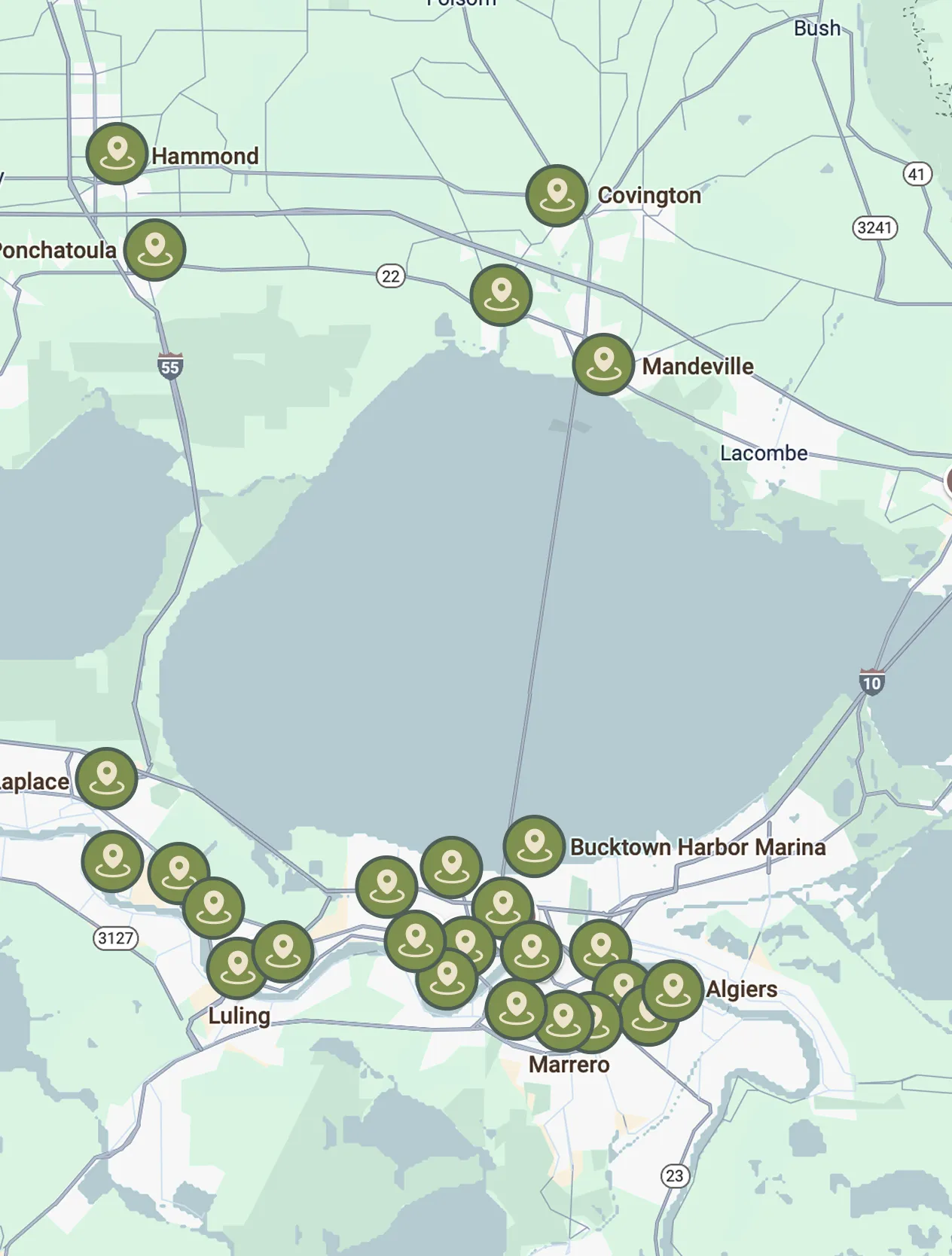
Our service areas are designed to meet the diverse needs of our clients. We focus on providing exceptional service and ensuring customer satisfaction in every location we operate.