Heat Pump Repair in Shrewsbury, LA
.webp)
Experiencing heat pump issues in Shrewsbury, LA? Cypress Cooling understands the frustration. We'll walk you through common problems, explain our on site diagnostic process, and detail typical repairs and parts replacements. From symptoms like no heat or cool and weak airflow to unusual noises, short cycling, and leaks, we'll cover it all. Our step by step diagnostic checks prioritize safety and offer clear repair options. We'll also discuss expected timelines, technician qualifications, warranties, emergency service options, and practical preventive tips tailored to Louisiana's humid climate to protect your comfort and your system's efficiency.
-min%2520(1).webp)
Heat Pump Repair in Shrewsbury, LA
A functioning heat pump is critical for comfort in Shrewsbury, LA, where long, humid summers and occasional cool snaps put constant demand on HVAC systems. When a heat pump fails to heat or cool properly, makes unusual noises, or short-cycles, it disrupts daily life and can increase energy bills. This page explains common heat pump problems seen in Shrewsbury homes, how technicians diagnose and repair them, typical timelines, warranty and certification details, emergency response options, and practical maintenance advice tailored to the local climate.
Common Heat Pump Issues in Shrewsbury, LA
Homes in Shrewsbury typically face these symptoms and causes more often because of the region’s humidity and heavy seasonal use:
- No heating or no cooling: Caused by refrigerant leaks, failed compressors, faulty reversing valves, or thermostat issues.
- Weak airflow or uneven temperatures: Clogged filters, restricted ductwork, failing blower motors, or frozen evaporator coils.
- Strange noises (clanking, hissing, grinding): Loose panels, failing fan motors, damaged compressors, or refrigerant leaks.
- Short-cycling (turning on and off frequently): Faulty thermostats, electrical problems, or oversized/undersized systems working inefficiently.
- High energy bills: Reduced efficiency from dirty coils, low refrigerant, or worn components.
- Dripping or water around the unit: Blocked condensate drains, frozen coils, or improper installation.
- Intermittent operation after storms: Power surges and electrical damage common during summer storms can affect capacitors and control boards.
On-Site Diagnostic Process
A systematic on-site diagnosis ensures the underlying issue is identified and not just the symptom. Typical steps include:
- Visual and safety inspection
- Check breakers, switches, and visible wiring for obvious faults.
- Inspect the outdoor unit for debris, corrosion, or storm damage common in coastal Louisiana environments.
- Thermostat and control checks
- Verify settings and battery power.
- Confirm the thermostat accurately reads indoor temperature and communicates correctly with the system.
- Airflow and filter assessment
- Inspect and test return and supply airflow.
- Check filters and advise on replacement if clogged (a common cause of reduced performance).
- Electrical testing
- Measure voltages and amperages to motors and compressors to detect failing capacitors, contactors, or motors.
- Look for signs of power-surge damage after severe weather.
- Refrigerant and pressure evaluation
- Test refrigerant levels and pressures to identify leaks or under/overcharge conditions.
- Perform leak detection when pressures indicate loss of refrigerant.
- Component-specific checks
- Test capacitors, relays, motors, and the reversing valve for proper operation.
- Inspect coils for dirt, corrosion, or freezing.
Diagnostics are performed with homeowner safety and system protection in mind; the technician will explain findings in plain language and outline repair options.
Common Repairs and Parts Replacement
Repairs typically address the failed component while restoring safe, efficient operation. Common replacements include:
- Compressors: Replaced when irreparable; may require additional components or system evacuation and recharge.
- Capacitors and contactors: Frequent failure points after electrical surges; relatively quick swaps when on hand.
- Fan and blower motors: Replacement or motor servicing to restore proper airflow.
- Thermostats and control boards: Replaced when communication or control logic fails.
- Reversing valves: Repaired or replaced when the system fails to switch between heating and cooling.
- Refrigerant leak repair and recharge: Includes locating leaks, repairing piping or coils, and restoring proper charge.
- Coils and condensate components: Coil cleaning or replacement and condensate drain unclogging.
- Ductwork repairs: Addressing leaks, gaps, or insulation issues that reduce overall system performance.
Expected Repair Timelines
Timelines vary by fault severity and parts availability. Typical windows are:
- Diagnostic visit: 30 to 90 minutes for a full assessment and written summary of findings.
- Minor repairs (capacitor, contactor, thermostat, filter, condensate unclog): Often completed the same day within 1 to 3 hours.
- Moderate repairs (fan motor, blower motor, reversing valve): 2 to 6 hours depending on access and required replacements.
- Major repairs (compressor replacement, refrigerant line repairs, extensive coil or condenser work): May take 1 to 2 days and occasionally longer if specialty parts must be ordered.
Technicians will explain whether a repair can be completed during the initial visit or if scheduling follow-up work is necessary.
Technician Qualifications and Warranty Information
Quality heat pump repair relies on trained, licensed professionals. Effective service in Shrewsbury typically includes:
- EPA Section 608 certification for refrigerant handling.
- State or local HVAC licensing where required and continuing technical training.
- Factory or manufacturer-specific certifications for particular brands when available.
- Use of manufacturer-approved parts and documented repair procedures.
Warranties vary. Manufacturer warranties may cover compressors or other specific components for defined periods; parts and labor coverage depends on the installer or service agreement. Homeowners should keep system documentation and ask the technician to confirm which warranty applies to the repaired parts and any labor guarantees.
Emergency Response and Priority Service
Loss of cooling or heating during extreme heat or cold is an urgent safety issue, especially in humid Shrewsbury summers where indoor cooling is essential. Emergency response options often include:
- Priority dispatch for customers experiencing critical failures.
- Temporary measures to restore basic comfort while waiting for parts (e.g., safe system resets, temporary fan operation).
- Safety-first shutdowns when electrical or refrigerant hazards are found, with clear explanations of next steps.
Technicians will outline options and timelines for emergency stabilization versus longer-term repairs.
Preventive Tips for Shrewsbury Homeowners
The humid subtropical climate in Shrewsbury places additional strain on heat pumps. Regular preventive care reduces breakdown risk and improves efficiency:
- Schedule seasonal tune-ups: Spring checks before peak cooling season and fall inspections before heating needs.
- Replace filters regularly: Every 1 to 3 months depending on use and indoor air quality.
- Keep outdoor units clear: Trim plants, remove debris, and ensure at least 2 feet of clearance for airflow.
- Protect from storms: Secure external units when severe weather is forecast and consider surge protection for electrical components.
- Monitor for early symptoms: Unusual noises, reduced airflow, higher bills, or frequent cycling warrant prompt diagnostics before a small issue becomes a major repair.
ConclusionUnderstanding common heat pump issues in Shrewsbury, LA, and the typical diagnostic and repair process helps homeowners make informed decisions when systems falter. Properly certified technicians, transparent diagnostics, and timely repairs restore comfort and efficiency while protecting system longevity in a climate that challenges HVAC equipment year-round.
OUR CLIENTS HAVE TO SAY ABOUT US



Service areas
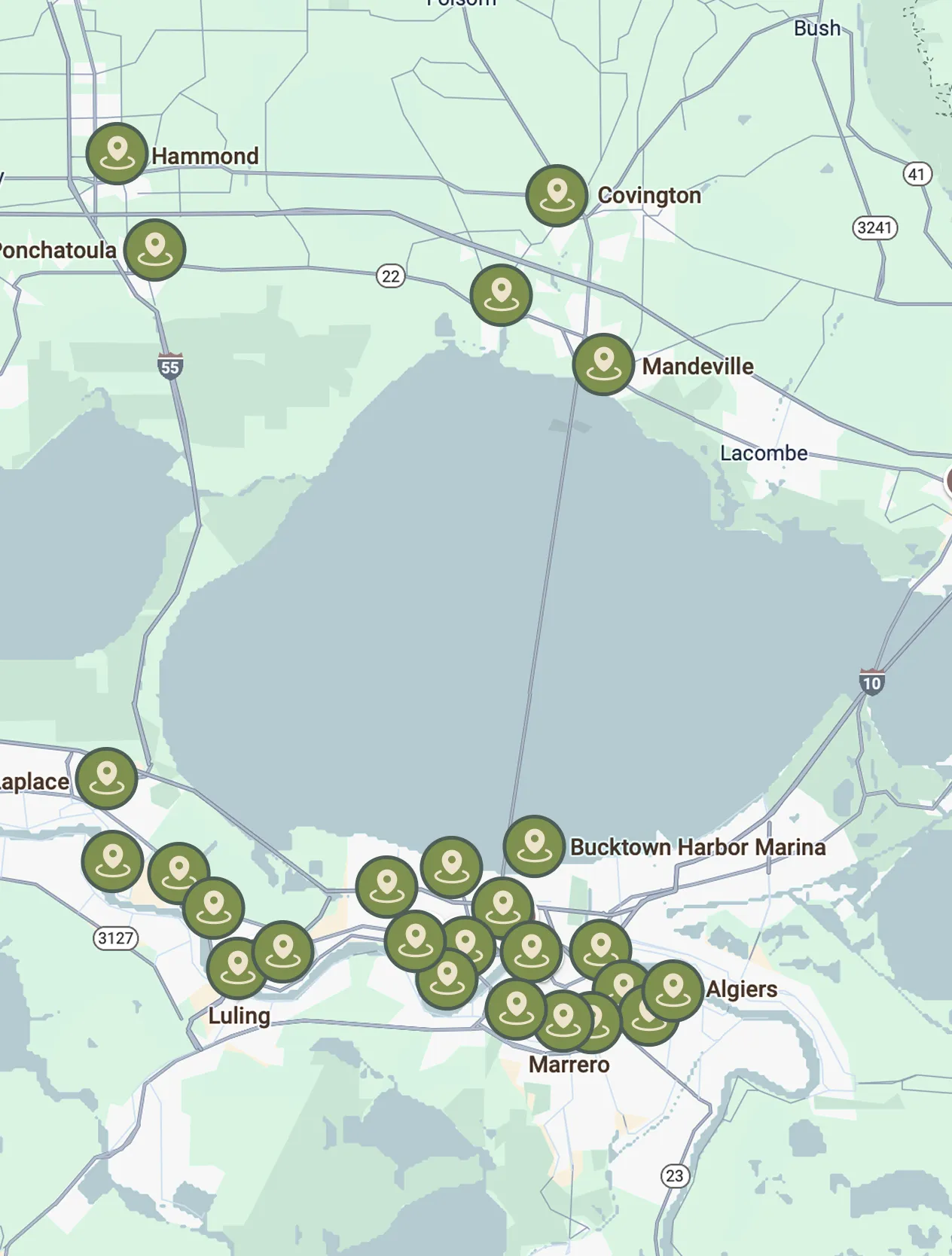
Our service areas are designed to meet the diverse needs of our clients. We focus on providing exceptional service and ensuring customer satisfaction in every location we operate.