Heat Pump Repair in Pontchartrain Gardens, LA
.webp)
Heat pump repair in Pontchartrain Gardens, LA, requires a trusted expert. Cypress Cooling emphasizes the importance of timely intervention, addressing common failure symptoms with a thorough diagnostic process. We outline the typical parts that may need replacing, provide realistic timelines, and explain the factors that influence cost, always emphasizing safe, code compliant work. Our technician qualifications, warranty information, and safety considerations are always highlighted, and we clearly explain what to expect when scheduling emergency or standard visits. Cypress Cooling also provides preventive maintenance recommendations to reduce future failures and extend the life of your heat pump system.
%2520(9)-min.jpeg)
Heat Pump Repair in Pontchartrain Gardens, LA
Keeping your heat pump running reliably is essential for comfort in Pontchartrain Gardens, LA, where hot, humid summers and occasional cold snaps place heavy demand on HVAC systems. Salt air, seasonal storms, and older home installations in this neighborhood can accelerate wear and cause common failures that disrupt heating and cooling. This page explains how professional heat pump repair addresses typical symptoms, how technicians diagnose problems, what parts are usually replaced, expected repair timelines, technician qualifications, warranty and safety considerations, and what to expect when arranging emergency or standard service.
Why timely heat pump repair matters in Pontchartrain Gardens
In Pontchartrain Gardens, prolonged humidity and frequent cycling during hot months increase the risk of compressor strain, refrigerant leaks, and corrosion of outdoor components. Prompt repair restores comfort, prevents secondary damage (like frozen coils or electrical failures), and can extend system life. Waiting can lead to higher energy bills, more extensive repairs, and potential safety hazards when electrical or refrigerant issues are involved.
Common heat pump failure symptoms in Pontchartrain Gardens homes
- No heating or no cooling: System powers on but fails to produce warm or cool air.
- Short cycling: Unit turns on and off repeatedly, often caused by electrical or thermostat faults.
- Strange noises: Grinding, rattling, hissing, or clunking from the indoor or outdoor unit.
- Reduced airflow or weak airflow: Clogged filters, blower motor problems, or duct issues.
- Ice buildup on outdoor coil: Often caused by airflow restriction or refrigerant imbalance.
- Refrigerant leaks: Hissing sounds, frost on lines, and reduced cooling capacity.
- Thermostat faults: Incorrect temperature readings, communication errors, or bad wiring.
- Frequent tripping of breakers: Electrical component failure or overload.
These symptoms are the most common reasons homeowners request repair in this region, and they often stem from climate-related stresses like high humidity, salt exposure, and storm-related power events.
Diagnostic process: how technicians identify the problem
Professional repair begins with a systematic diagnosis to avoid unnecessary parts replacement and to find root causes:
- Visual inspection: Check outdoor unit for corrosion, debris, and physical damage from storms or yard impact.
- System startup observation: Monitor startup sequence, sound patterns, fan and compressor behavior.
- Airflow and filter check: Inspect filters, return grilles, and ductwork for restrictions and leaks.
- Electrical testing: Measure voltage, current draw, capacitor condition, contactor operation, and control voltage.
- Refrigerant analysis: Check pressures on both sides, look for signs of leaks, and verify charge against factory specifications.
- Thermostat and controls check: Confirm accurate temperature sensing, wiring integrity, and control board signals.
- Leak detection: Use electronic or dye methods where refrigerant loss is suspected.
- Component isolation: Temporarily bypass or test individual components (motors, compressor, reversing valve) to confirm failures.
Technicians document findings and explain repair options and likely outcomes in straightforward terms so you understand the tradeoffs between repair and more extensive service.
Typical parts replaced and repairs performed
Common parts and repairs performed during heat pump service in Pontchartrain Gardens include:
- Capacitors and contactors: Frequent failure points that cause startup issues.
- Fan motors and blower assemblies: Replaced when bearings or windings fail.
- Refrigerant line repairs and leak sealing: Followed by proper vacuuming and recharge.
- Compressors and reversing valves: Major components replaced when worn or mechanically damaged.
- Thermostats and control boards: Upgraded or replaced to resolve communication faults.
- Expansion valves and pressure switches: Repaired to restore proper refrigerant flow and safety.
- Air filters, coils, and condensate drains: Cleaned or replaced to restore airflow and prevent icing.
- Ductwork repairs: Addressed when airflow loss or distribution problems are identified.
Technicians typically prioritize repairs that restore safe operation and efficiency while minimizing downtime.
Expected repair timelines and cost factors
- Diagnostic evaluation: Often completed during the first visit, typically within one visit of 30 to 90 minutes depending on system complexity.
- Minor repairs: Replacing capacitors, contactors, or filters generally takes 1 to 3 hours and can often be completed the same day.
- Moderate repairs: Motor replacements, refrigerant line repairs, or control board changes typically take a few hours and may require same-day or next-day parts.
- Major repairs: Compressor or extensive refrigerant system rebuilds may take a full day or longer and can be delayed by parts availability.
- Emergency response: For complete loss of cooling during extreme heat or heating failures during cold snaps, emergency visits are prioritized where available.
Repair costs vary widely based on the component, system age, and whether refrigerant reclamation or major parts are required. Cost drivers include parts availability, access to equipment, the need to replace sealed-system components, and whether additional repairs (like ductwork) are necessary. Technicians will outline factors that affect cost to help homeowners choose the most appropriate option.
Technician qualifications and standards
Qualified heat pump repair technicians servicing Pontchartrain Gardens homes typically hold:
- EPA 608 certification for handling refrigerants.
- Manufacturer-specific training for common brand systems and warranty compliance.
- Trade licenses or HVAC certifications as required by Louisiana or local jurisdictions.
- Ongoing training for safety practices, electrical troubleshooting, and refrigerant recovery.
Experienced technicians follow safety protocols, use calibrated diagnostic tools, and document work in a way that preserves equipment warranties when applicable.
Warranty, safety, and regulatory considerations
- Manufacturer warranties: Work performed by certified technicians helps avoid voiding manufacturer warranties. Replacement parts may carry their own manufacturer or supplier warranties.
- Service warranties: Reputable repair services often offer short-term labor warranties for repairs performed; check the scope and duration.
- Refrigerant handling and disposal: Technicians must follow EPA rules for refrigerant recovery and disposal, protecting the environment and complying with law.
- Electrical and gas safety: Repairs involving electrical components are performed after power isolation and safety checks. When systems are interlinked with gas furnaces or other appliances, cross-system safety is verified.
- Storm and flood impacts: After storms, systems should be inspected for water intrusion, corrosion, or electrical damage before being restarted.
Scheduling emergency or standard repair visits: what to expect
When arranging repair service, expect to provide basic system information to help technicians prepare: system brand and model, approximate age, observed symptoms, and any recent service history. For emergency-style problems (complete loss of heating or cooling during extreme weather), providers prioritize safety and rapid response when resources allow.
A typical service visit includes arrival during a scheduled window, a focused diagnostic assessment, explanation of findings and repair options in plain language, and completion of agreed repairs using certified parts and refrigerant handling practices. If parts are not in stock, technicians will explain timelines for procurement and interim measures to protect the system and home comfort.
Maintenance to reduce future repairs
Regular maintenance reduces the likelihood of unexpected failures in Pontchartrain Gardens conditions. Recommended preventive measures include seasonal tune-ups, coil cleaning, filter changes every 1 to 3 months depending on use, checking refrigerant levels annually, and protecting outdoor equipment from storm debris and salt exposure. Proper maintenance preserves efficiency and can prevent costly sealed-system interventions.
This information equips Pontchartrain Gardens homeowners to make informed decisions about heat pump repair, understand typical problems and processes, and recognize the qualifications and safety practices that ensure reliable, durable service.
OUR CLIENTS HAVE TO SAY ABOUT US



Service areas
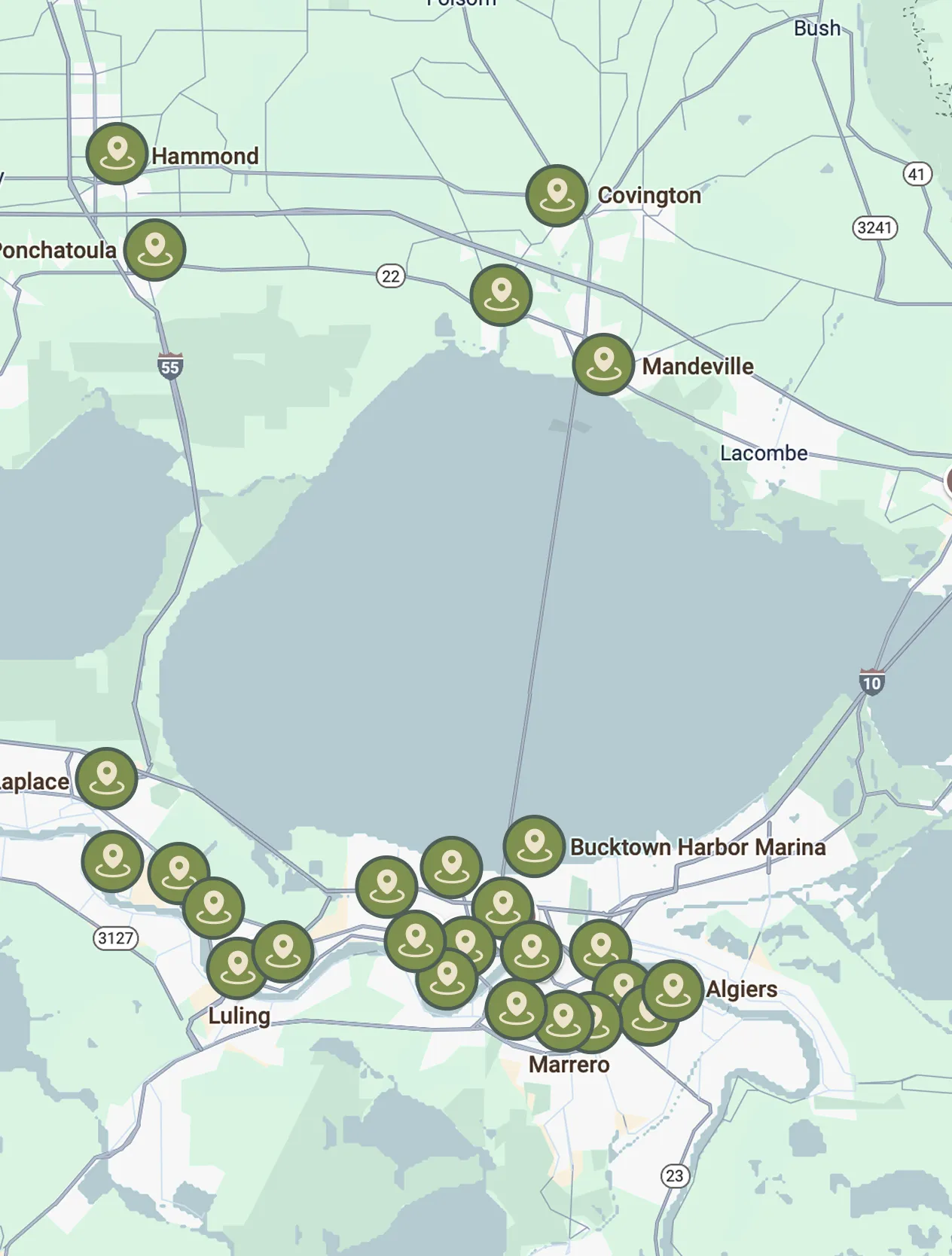
Our service areas are designed to meet the diverse needs of our clients. We focus on providing exceptional service and ensuring customer satisfaction in every location we operate.