Heat Pump Repair in Gretna, LA
.webp)
In Gretna, LA, a reliable heat pump is essential for year round comfort. With hot, humid summers and mild winters, your home depends on a properly functioning heat pump for both cooling and efficient heating. Cypress Cooling provides reliable heat pump repair services to keep your home comfortable. We understand the common heat pump problems specific to Gretna, LA, and our technicians are skilled in diagnosing and repairing them. We also offer insights into emergency response times, technician qualifications, warranty considerations, and prevention tips tailored to our local conditions.
-min.jpeg)
Heat Pump Repair in Gretna, LA
Reliable heat pump repair in Gretna, LA keeps your home comfortable year-round. With hot, humid summers, mild winters, and occasional severe weather, Gretna homes depend on properly functioning heat pumps for cooling and efficient heating. This page explains the common heat pump problems in Gretna, LA, how technicians diagnose and repair them, emergency and response time expectations, technician qualifications, warranty considerations, and prevention tips tailored to local conditions.
Common heat pump problems in Gretna, LA
Homes in Gretna face several recurring heat pump issues driven by humidity, salt air exposure, frequent use, and storm-related wear. Typical problems include:
- Insufficient cooling or heating: Often caused by low refrigerant, compressor issues, blocked airflow, or incorrect thermostat settings.
- Refrigerant leaks: Corrosion in coastal or humid environments can lead to slow leaks that reduce efficiency and performance.
- Compressor failure or short cycling: Overworked compressors or electrical faults lead to short cycles or outright failure.
- Frozen evaporator coils: High indoor humidity and restricted airflow cause ice buildup on coils, reducing output.
- Faulty fan motors or capacitors: Outdoor fan motors and run capacitors wear out from heat, humidity, and debris.
- Thermostat and control board faults: Incorrect readings, bad wiring, or failed control boards lead to erratic behavior.
- Poor airflow or duct issues: Dirty filters, blocked vents, or leaky ducts reduce system capacity and comfort.
- Unusual noises or vibrations: Loose components, failing bearings, or refrigerant issues produce banging, squealing, or rattling.
- Post-storm damage: Flooding, debris impact, or power surges after storms can damage outdoor units or electrical controls.
Diagnostic and repair process
A systematic diagnostic process identifies the root cause and prevents repeated repairs. Typical steps include:
- Initial system assessment
- Review system history, recent symptoms, and any changes in comfort or operation.
- Visually inspect outdoor and indoor units for obvious damage, debris, or corrosion.
- Thermostat and control diagnostics
- Verify thermostat settings, wiring integrity, power to the thermostat, and sensor operation.
- Test control board function and sequence of operation to confirm proper signaling to compressors and fans.
- Electrical and safety checks
- Measure voltage and current to motors and compressors.
- Test capacitors, contactors, relays, and safety switches for proper operation.
- Refrigerant and leak detection
- Check system pressures and temperatures to determine refrigerant charge.
- Use electronic leak detectors, dye, or pressure testing to locate leaks.
- Note: refrigerant recharge is performed only after leaks are located and repaired.
- Mechanical inspection
- Inspect compressor, reversing valve, fan motors, belts, and bearings.
- Check coil condition and airflow across evaporator and condenser coils.
- System performance verification
- Run full-cycle tests to confirm restored capacity, stable pressures, and correct thermostat response.
- Measure airflow and verify indoor comfort levels.
- Documentation and recommendations
- Provide a clear explanation of findings with repair options, expected outcomes, and any parts recommended for proactive replacement.
Typical repairs and parts replacement
Repairs are prioritized to restore safe, efficient operation and extend system life. Common repairs include:
- Refrigerant leak repair and recharge: Pinpointing and repairing leaks, replacing defective tubing or components, then recharging to specification.
- Compressor replacement or repair: When compressors fail, replacement may be necessary. Technicians follow manufacturer guidelines for match and system compatibility.
- Fan motor and capacitor replacement: Replacing worn motors and capacitors to restore airflow and reliable starts.
- Control board and thermostat replacement: Updating failed electronics and ensuring proper communication between components.
- Coil cleaning and coil repairs: Straightening fins, cleaning condensers and evaporators, and addressing minor leaks when feasible.
- Reversing valve and expansion device service: Repair or replace components that affect heating mode and refrigerant flow.
- Ductwork repairs and airflow corrections: Sealing ducts, replacing filters, and balancing airflow to improve efficiency.
When parts are replaced, technicians typically choose parts compatible with the original equipment manufacturer's specifications and will note warranty coverage for the parts and labor.
Estimated response times and emergency service
Local service responsiveness matters in Gretna where heat and humidity can quickly make living spaces uncomfortable.
- Typical response times: For non-emergency repairs, expect scheduling within a short window—same-day or next-business-day options are common depending on workload and season.
- Emergency service options: Emergency or after-hours service is available for critical failures such as complete system stoppage during extreme heat, electrical hazards, or when a failed system creates unsafe conditions. Emergency calls are prioritized to restore essential cooling or heating quickly.
- Post-storm priority: After storms or power outages, technicians often triage calls to address urgent failures caused by flooding, debris, or surges.
Technician qualifications and safety
Qualified technicians ensure accurate, safe repairs and compliance with regulations.
- Licensing and certifications: Technicians hold required state or local HVAC licenses and EPA 608 certification for handling refrigerants. NATE certification or equivalent training demonstrates advanced competency.
- Ongoing training: Technicians receive continuing education on new refrigerants, heat pump technologies, and diagnostic tools.
- Safety and compliance: All electrical and refrigerant work follows code requirements. Technicians use proper PPE, lockout-tagout procedures, and inspect for post-storm electrical hazards or flood damage.
Warranty and pricing transparency
Warranty and clear pricing help you make informed decisions without surprises.
- Parts and manufacturer warranties: Repaired or replaced parts often carry manufacturer warranties. Technicians will identify transferable warranties and document serial numbers when applicable.
- Labor warranties: Service labor is commonly covered by a limited warranty to protect against early re-failure of repaired components.
- Transparent estimates: Before major repairs, homeowners receive a detailed explanation of recommended actions and associated costs to compare options and warranty implications. Pricing structures are provided upfront and explained in plain language.
Tips to prevent future breakdowns in Gretna, LA
Simple preventive measures reduce the risk of unexpected failures, especially with Gretna climate considerations.
- Change or clean filters regularly to maintain airflow and protect coils.
- Schedule seasonal tune-ups before peak cooling season and before winter heating usage to catch issues early.
- Keep outdoor unit clear of debris, vegetation, and salt buildup; rinse gently after salt spray or storms.
- Elevate or secure outdoor equipment if your property is at risk for flooding and inspect units after heavy storms.
- Install surge protection for the outdoor unit and control electronics to reduce damage from lightning or grid surges.
- Maintain consistent thermostat settings and use programmable controls to reduce cycling stress.
- Inspect and seal ductwork to prevent energy loss and improve system efficiency.
- Report unusual noises, odors, or frequent cycling promptly to avoid more extensive damage.
Heat pump repair in Gretna, LA demands technicians who understand local climate impacts, storm risks, and the diagnostic steps required to restore reliable comfort. Thorough diagnostics, certified technicians, transparent warranties, and regular maintenance tailored to Gretna conditions help protect system performance and extend equipment life.
OUR CLIENTS HAVE TO SAY ABOUT US



Service areas
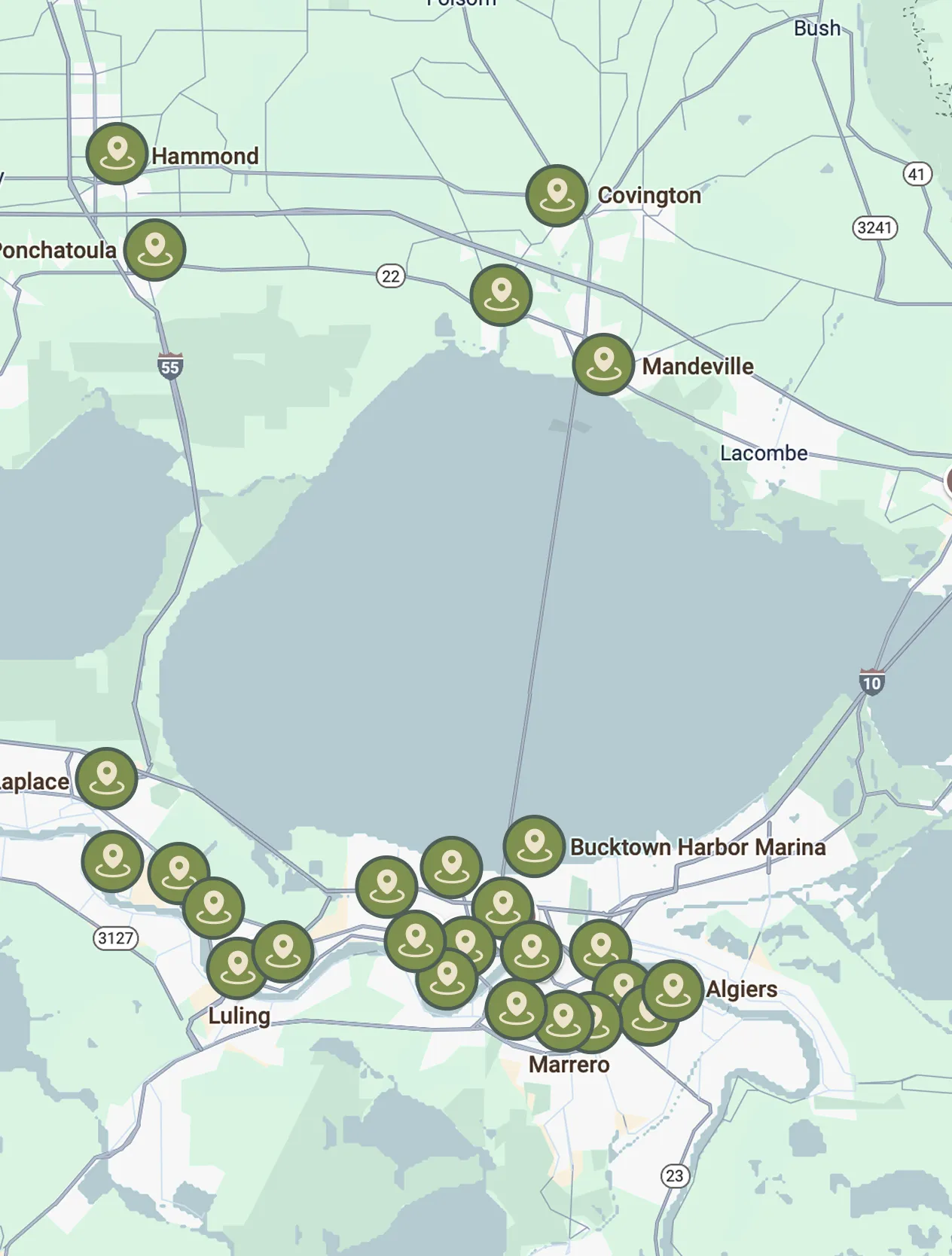
Our service areas are designed to meet the diverse needs of our clients. We focus on providing exceptional service and ensuring customer satisfaction in every location we operate.