Heat Pump Repair in Bucktown, LA
.webp)
If you're in Bucktown, LA, and experiencing heat pump issues, Cypress Cooling offers guidance on common failures, diagnostic steps, and practical maintenance to minimize repeat problems. We understand the importance of performance in our humid, coastal environment. From refrigerant leaks and compressor faults to thermostat and control problems, we've seen it all. Our technicians follow a structured process: safety checks, airflow assessment, electrical testing, refrigerant analysis, and clear diagnoses with transparent repair options and timelines. We also provide emergency options, typical repair durations, warranties, and proactive maintenance plans to keep your home comfortable and your system efficient.
.jpeg)
Heat Pump Repair in Bucktown, LA
If your heat pump is underperforming in Bucktown, LA, prompt, informed action preserves comfort and prevents higher repair costs. In this humid, subtropical climate where extended cooling seasons and storm exposure put extra strain on HVAC equipment, common failures show up faster and more frequently than in milder regions. This page explains typical heat pump problems in Bucktown homes, how technicians diagnose and fix them, what to expect from emergency response and repair timelines, and practical maintenance steps to reduce repeat issues.
Why heat pump performance matters in Bucktown, LA
Bucktown summers are long and humid, causing heat pumps to run for extended periods. High humidity increases cooling load, accelerates coil fouling, and can hide early leak symptoms until performance has already declined. Salt and coastal air can speed corrosion on outdoor components in some parts of the region. Timely troubleshooting and repairs keep systems efficient, protect indoor air quality, and extend equipment life.
Common heat pump problems in Bucktown, LA
- No heating or no cooling: Unit runs but does not change indoor temperature, often caused by refrigerant loss, compressor issues, or airflow problems.
- Refrigerant leaks: Low charge reduces capacity and can damage the compressor if left unaddressed. Leaks often develop at line fittings, brazed joints, or coil damage.
- Compressor failures: Overheating, electrical faults, or internal mechanical damage can cause the compressor to fail or trip protection devices.
- Fan motor or blower failures: Outdoor fan or indoor blower problems reduce airflow and heat transfer, causing temperature imbalances and possible freeze-up.
- Thermostat faults and control issues: Bad sensors, wiring faults, or malfunctioning control boards lead to incorrect cycles or constant running.
- Short cycling: Repeated on/off cycles are usually caused by improper charge, oversized thermostat settings, or electrical/control defects.
- Coil freeze or fouling: Dirty evaporator coils or restricted airflow cause the coil to ice up, common when filters are neglected during high-use months.
- Electrical problems: Tripped breakers, burned contactors, capacitors failing, or loose connections lead to intermittent operation or total failure.
Diagnostic process technicians use
Technicians follow a structured diagnostic approach to identify root causes efficiently and preserve evidence for warranty claims.
- Visual and safety inspection: Check cabinet seals, refrigerant lines, electrical panels, and outdoor unit condition. Inspect for corrosion from coastal exposure.
- Airflow and filter check: Measure static pressure, inspect filters and registers, verify blower motor operation and duct leaks.
- Electrical testing: Test capacitors, contactors, relays, fuses, and circuit breakers for proper voltage and amp draw.
- Refrigerant system assessment: Use gauges to check system pressures, temperature splits, and superheat/subcooling. If charge is low, employ leak detection methods.
- Compressor and motor evaluation: Measure current draw, run capacitors, and listen for abnormal noises that indicate internal damage.
- Control and thermostat verification: Confirm proper thermostat calibration, wiring integrity, and control board signals.
- Report and options: Provide a clear diagnosis, explain safety considerations, and outline repair options with expected timelines for parts and labor.
Common repairs and parts explained
- Refrigerant recharge and leak repair: Locating and repairing leaks before recharging prevents repeat work. Common leak sites include line sets, service valves, and coil joints.
- Compressor replacement: A major repair often requiring system evacuation and recharging. Technicians verify cost-effectiveness versus replacement when compressors are aged.
- Fan motors and blowers: Replacing failed motors, bearings, or belts restores airflow and efficiency. Outdoor fan motors are exposed to weather and may corrode faster in coastal areas.
- Capacitors and contactors: These electrical components are frequent failure points and are typically replaced quickly on site.
- Reversing valve and control board: Failures in the reversing valve affect heat/cool mode changes; control boards handle sequencing and may be replaced if intermittent faults persist.
- Thermostats and sensors: Replacing or recalibrating thermostats often resolves comfort complaints without major mechanical work.
Emergency and rapid-response repair options
In Bucktown, rapid restoration of cooling can be essential during heat waves. Emergency response options typically include:
- Priority diagnostic visits with same-day or next-day availability depending on severity.
- Temporary measures like fan-only operation or temporary refrigeration charge to restore comfort while parts are sourced.
- Coordinated parts procurement for common components to shorten downtime.
Expect technicians to document safety concerns and recommend interim steps if full repairs will be delayed due to parts availability or weather impacts.
Typical repair timelines
- On-site diagnostic visit: often completed the same day, 30 to 90 minutes depending on complexity.
- Simple repairs (capacitor, contactor, thermostat): commonly completed during the diagnostic visit.
- Refrigerant leak repair and recharge: may require multiple visits to locate and repair the leak before recharging; plan 1 to 3 days depending on access and parts.
- Major component replacement (compressor or outdoor coil): typically 1 to 3 days once parts arrive; some situations may require up to a week for special-order parts.
Weather events and local parts supply can affect timing in Bucktown, so technicians often stock frequently used parts to reduce delays.
Warranty coverage and what to expect
- Manufacturer warranties: Cover compressors, coils, and certain major components under specific terms. Validity often depends on proper maintenance and professional installation.
- Parts warranties: After-market parts typically have shorter warranties through suppliers; technicians should provide part-specific coverage details.
- Labor warranties: Contractors may offer limited labor warranties for repairs; this covers workmanship for a specified time.
Always retain service records and receipts, as regular maintenance is often required to maintain manufacturer warranty eligibility.
Maintenance tips to prevent repeat issues
- Replace or clean filters every 1 to 3 months during heavy use to maintain airflow and prevent coil fouling.
- Schedule annual professional tune-ups before the cooling season to check refrigerant, electrical integrity, and coil condition.
- Keep 2 to 3 feet of clear space around the outdoor unit and remove leaves, grass clippings, and debris regularly to prevent blockage and corrosion.
- Install a surge protector if frequent storms affect the area to protect control boards and compressors.
- Monitor thermostat settings and avoid extreme setpoints that force short cycling.
- Watch for early warning signs: unusual noises, higher energy bills, reduced airflow, or frequent defrost cycles. Addressing these early avoids larger failures.
Final considerations for Bucktown homeowners
Heat pump repair in Bucktown, LA requires attention to humidity impacts, coastal corrosion risks, and extended cooling demands. A timely, methodical diagnostic approach reduces repeat visits and protects system reliability. Regular maintenance tailored to local conditions, prompt leak repairs, and attention to electrical components are the most effective ways to keep a heat pump running efficiently and avoid emergency situations during peak seasons.
OUR CLIENTS HAVE TO SAY ABOUT US



Service areas
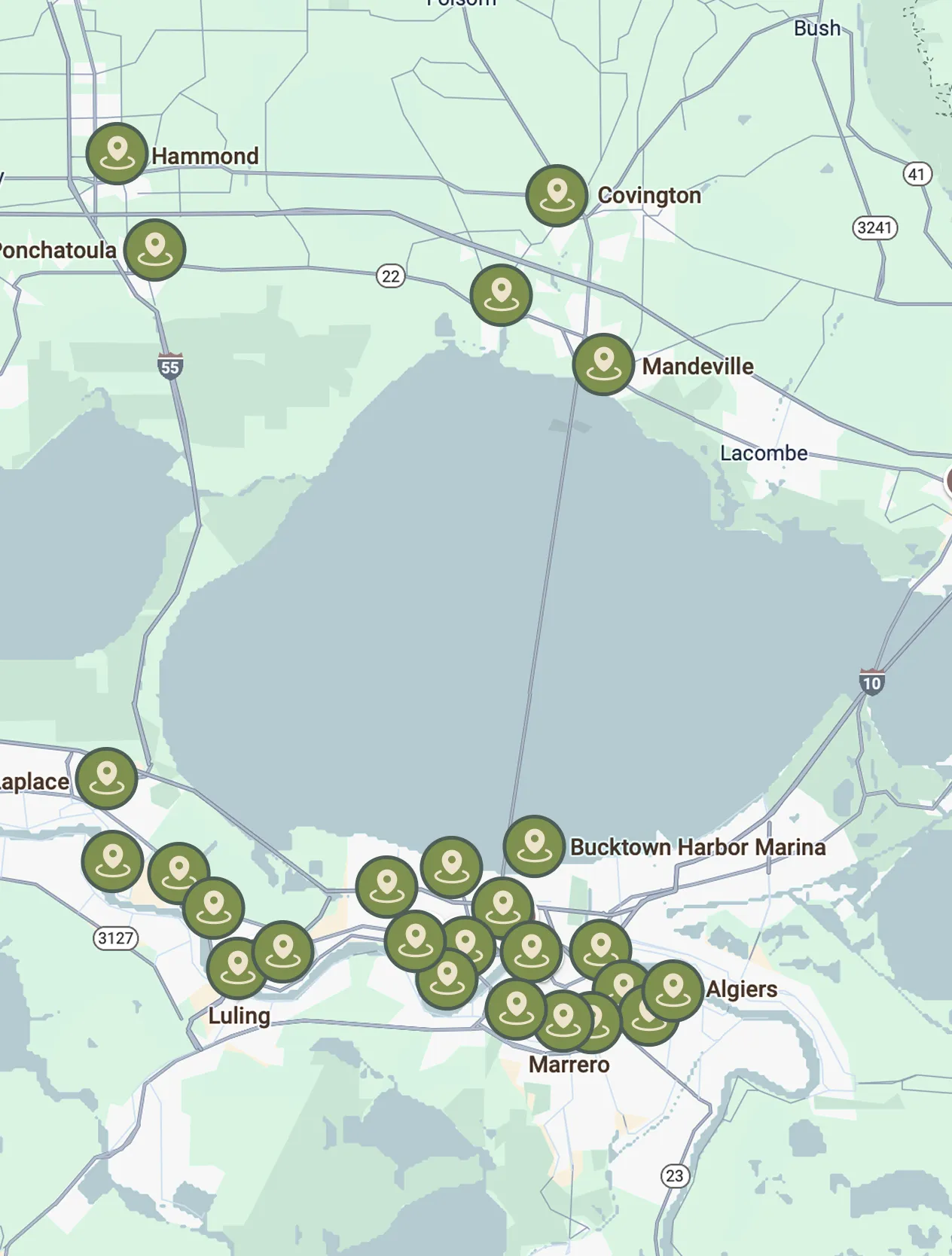
Our service areas are designed to meet the diverse needs of our clients. We focus on providing exceptional service and ensuring customer satisfaction in every location we operate.