Heat Pump Installation in Mandeville, LA
.webp)
Installing a heat pump in Mandeville, LA requires a practical, step by step approach to ensure reliable performance in our humid subtropical climate. At Cypress Cooling, we emphasize accurate site assessment and load calculations (Manual J) and proper ductwork evaluation (Manual D), plus corrosion protection and coastal exposure considerations. We carefully select equipment, handle all electrical and permitting requirements, and follow a detailed seven step installation and commissioning sequence. Finally, we provide homeowner orientation, maintenance planning, and tips to maximize efficiency and comfort year round.
-min.webp)
Heat Pump Installation in Mandeville, LA
Heat pump installation in Mandeville, LA is a practical, energy-smart solution for year-round comfort in the area’s humid subtropical climate. Whether you are replacing an aging HVAC system or installing a new system in a renovation, the key to reliable performance and efficiency is a professional, methodical installation that addresses site conditions, proper equipment sizing, duct and electrical requirements, and local permitting. This page explains the full installation process, common issues specific to Mandeville homes, and practical tips to get the most from your heat pump.
Why a heat pump makes sense in Mandeville, LA
- Mandeville winters are generally mild and summers are hot and humid. Modern heat pumps provide efficient cooling and heating across this range without the seasonal fuel-switching required by some systems.
- High humidity and frequent storms mean that proper moisture control, corrosion resistance, and secure mounting are important considerations.
- Heat pumps with variable-speed compressors and good dehumidification control can improve comfort and lower energy bills compared with older systems.
Common heat pump installation needs and issues in Mandeville, LA
- Inadequate system sizing for high summer cooling loads or indoor humidity control
- Ductwork with leaks or poor insulation causing uneven rooms and high energy use
- Outdoor unit corrosion risk near the lake and salt air exposure
- Electrical panel capacity or improper circuit protection for new equipment
- Local permitting and code inspections that require coordination
Site assessment and load calculations
A professional installation begins with a thorough site assessment and accurate load calculation.
- Load calculation (Manual J explained simply): This calculates the heating and cooling capacity your home actually needs based on house size, insulation levels, window area and orientation, occupant habits, and local climate factors like solar gain and humidity. Correct sizing prevents short cycling, improves humidity control, and extends equipment life.
- Ductwork evaluation (Manual D basics): Inspect ducts for leakage, sizing, and insulation. Oversized or leaky ducts reduce system efficiency and comfort. The assessment determines if duct modification, sealing, or a new return is required.
- Location and clearances: Evaluate where the outdoor unit will sit to ensure proper airflow, noise considerations, service access, and protection from salt spray, flooding, or debris during storms. In Mandeville, elevation and wind protection can be important.
Equipment selection: what to consider
Choosing the right heat pump depends on performance needs and local conditions.
- Capacity and efficiency: Look for equipment sized to the calculated load. Higher SEER and HSPF ratings mean better seasonal efficiency. Variable-speed inverter compressors provide more consistent temperatures and better dehumidification.
- Type of system: Options include air-source split systems and ductless mini-splits. Ductless is ideal for additions or rooms without ductwork. Standard air-source heat pumps suit most Mandeville homes.
- Corrosion and weather protection: Select outdoor units with corrosion-resistant coatings and specify elevated mounting to reduce flood risk and salt exposure issues.
- Controls and indoor equipment: Match the outdoor unit to appropriate indoor coils, blower motors (variable-speed fans are preferable), and a thermostat that supports multi-stage or variable systems.
Ductwork and electrical considerations
Proper duct and electrical work are essential for safety and performance.
- Ductwork: Seal all joints and leaks, insulate ducts that run through unconditioned spaces, and balance supply and return air. Addressing duct problems during installation avoids costly callbacks and improves comfort.
- Airflow testing: Measure and adjust airflow to manufacturer specifications. Correct airflow is critical for heat exchange, removing moisture, and preventing compressor stress.
- Electrical requirements: Ensure the electrical service can handle the new unit, install the proper breaker and disconnect, and verify correct wire gauge and protection per equipment specs and code. A hard-start kit or surge protection may be specified for older homes with marginal service.
- Safety and code compliance: Installations must meet local electrical codes and often require an accessible outdoor disconnect and proper bonding.
Step-by-step installation and commissioning
A reliable installation follows a consistent sequence to reduce errors and ensure performance.
- Remove old equipment safely and prepare the outdoor pad or bracket; elevate equipment where flood risk exists.
- Install indoor coil and connect to ductwork; make any necessary duct modifications or sealing.
- Set the outdoor unit in place and secure per wind-load requirements; connect refrigerant piping and electrical wiring.
- Evacuate the refrigerant lines and indoor coil with a vacuum to remove moisture and non-condensables.
- Charge the system with the correct refrigerant amount according to manufacturer specs; verify proper superheat and subcooling for optimal charge.
- Start the system and carry out commissioning tests: measure airflow, temperature split, amp draw, voltages, and safety controls.
- Program the thermostat and demonstrate system modes to ensure coordinated operation.
Post-install testing and homeowner orientation
After installation, a thorough handover improves system longevity and homeowner satisfaction.
- Testing checklist: Confirm system operates in cooling and heating modes across settings, verify refrigerant charge and airflow, test defrost cycle, and confirm all safety interlocks.
- Homeowner orientation: Explain thermostat programming, filter location and replacement intervals, basic troubleshooting steps, and how to monitor humidity and comfort.
- Maintenance plan: Recommend annual tune-ups, filter schedules, and periodic outdoor coil cleaning to maintain efficiency.
Permits, certifications, and code compliance
- Obtain required local permits and schedule inspections as mandated by the city or parish. This ensures work meets building, mechanical, and electrical codes.
- Refrigerant handling must follow federal and state regulations and be performed by certified technicians.
- Documentation of equipment specs, load calculations, and permit approvals should be provided for code compliance and warranty purposes.
Tips for maximizing system performance in Mandeville
- Use a programmable or smart thermostat set to optimize runtime while maintaining comfort.
- Keep the outdoor unit clear of vegetation, debris, and standing water; aim for at least two feet of clearance around the unit.
- Change filters regularly and inspect ducts annually for leaks or insulation breakdown.
- Consider supplemental dehumidification if interior humidity remains high during summer.
- Schedule yearly professional maintenance before peak cooling season and before cooler months to verify heating performance.
- For coastal exposure, inspect outdoor unit corrosion points periodically and consider sacrificial zinc anodes or enhanced coatings if needed.
Proper heat pump installation in Mandeville, LA combines accurate sizing, quality equipment selection, airtight ducts, correct electrical work, and careful commissioning. When installed to local conditions and codes, a heat pump delivers consistent comfort, improved humidity control, and energy savings that align with the climate and lifestyle of Mandeville homes.
OUR CLIENTS HAVE TO SAY ABOUT US



Service areas
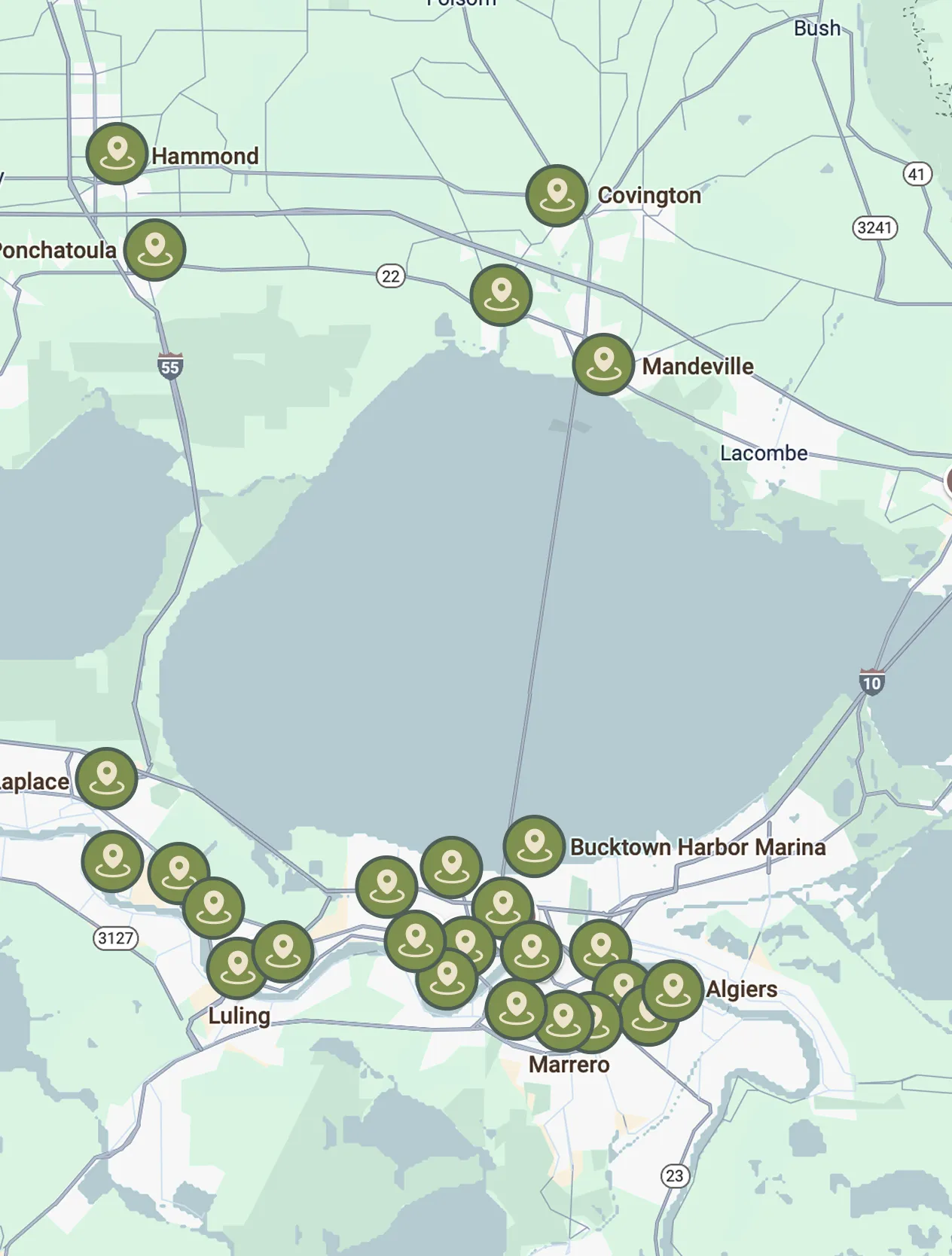
Our service areas are designed to meet the diverse needs of our clients. We focus on providing exceptional service and ensuring customer satisfaction in every location we operate.