Heat Pump Installation in Laplace, LA
.webp)
Cypress Cooling's heat pump installation in Laplace, LA, delivers reliable year round comfort with exceptional energy efficiency, guided by a thorough site evaluation, correct sizing, and code compliant practices. Our process covers both ducted and ductless options, equipment choices based on SEER/HSPF ratings, and crucial climate considerations for flood prone areas. From pre install assessment and permits to precise installation, commissioning, and homeowner orientation, our service emphasizes safety, performance, and long term value. Transparent timelines, financing options, and warranty registration support a smooth, informed project from start to finish.
-min.jpeg)
Heat Pump Installation in Laplace, LA
Installing a heat pump is one of the most effective ways to keep your Laplace, LA home comfortable year-round while improving energy efficiency. With hot, humid summers and mild winters, properly sized and installed heat pumps deliver efficient cooling and reliable heating, plus built-in dehumidification that matters in Jefferson Parish and surrounding areas. This page explains the full installation process, common options, code considerations specific to Laplace conditions, and what you can expect from consultation to warranty registration.
Why a properly installed heat pump matters in Laplace, LA
Laplace’s humid subtropical climate means cooling load is driven by both temperature and humidity. An undersized or improperly installed system will struggle to remove moisture, increasing runtime, energy bills, and indoor discomfort. A correctly sized heat pump:
- Balances sensible and latent loads for consistent indoor humidity control
- Provides efficient heating through mild winters without relying on resistance heat
- Handles frequent on-off cycles common in our climate with modern variable-speed options
- Can be adapted to elevated or flood-prone locations with proper siting and anchoring
Pre-install consultation and site evaluation
A thorough pre-install consultation is the foundation of dependable performance. Key steps during the site evaluation include:
- Review of existing HVAC system, ductwork condition, insulation levels, and attic ventilation
- Manual J load calculation to determine precise heating and cooling requirements
- Manual D duct design review if ducts need resizing or replacement
- Assessment of electrical capacity, panel space, and required upgrades
- Consideration of outdoor unit placement for noise, airflow, storm resilience, and flood elevation
- Discussion of homeowner priorities: quiet operation, zoned comfort, energy savings, or high-efficiency equipment
System options: ducted vs ductless and system types
Heat pump choice depends on home layout, budget, and comfort needs. Common options:
- Ducted air-source heat pumps: Best for homes with existing ductwork. Options include single-stage, two-stage, or variable-speed compressors and matched air handlers for optimal humidity control.
- Ductless mini-split systems: Ideal for additions, older homes without ducts, or rooms needing independent temperature control. Multi-zone units can serve several rooms efficiently.
- Cold-climate heat pumps: For homes that experience lower winter temperatures, these maintain heating capacity at lower outdoor temps.Key equipment considerations include SEER and HSPF ratings, variable-speed fans and compressors, and advanced controls for zoning and smart thermostat integration.
Installation procedures and best practices
Installation follows a systematic sequence to ensure safety and peak performance:
- Mounting and siting: Outdoor unit secured on a level pad or elevated platform to meet flood elevation requirements and local code. Indoor units positioned for balanced airflow and easy service access.
- Refrigerant handling: Refrigerant lines installed with appropriate insulation, brazing and flare connections where required, vacuuming to remove moisture and non-condensables, and charging according to manufacturer procedures (superheat/subcooling). Technicians follow EPA 608 refrigerant handling practices.
- Electrical hookups: Dedicated circuit, disconnect switch, properly sized breaker, grounding, and surge protection as required. Controls wired to thermostats and, if applicable, zoned dampers and communication lines for multi-zone systems.
- Ductwork and airflow: Duct sealing, insulation, and balancing to achieve designed CFM. Replacement or modification when existing ducts are undersized or leaking.
- Condensate management: Proper drain lines, traps, and overflow protection to prevent moisture intrusion or mold growth.
Permits, code compliance, and storm/flood considerations
Heat pump installations in Laplace must comply with local building, mechanical, and electrical codes. Typical requirements:
- Mechanical and electrical permits, with inspections at key stages
- Compliance with state energy codes and local amendments related to efficiency and equipment installation
- Elevation and anchoring of outdoor equipment in flood-prone areas; use of corrosion-resistant materials in coastal-influenced environments
- Proper refrigerant documentation and safety clearancesPermitting ensures installations are safe, insurable, and code-compliant for resale or warranty coverage.
Commissioning and system testing
Commissioning verifies the system meets design expectations. Common tests and checks:
- Operational check of all modes (cooling, heating, defrost)
- Airflow measurement and static pressure to confirm duct performance
- Refrigerant charge verification by superheat/subcooling methods
- Temperature split testing across evaporator coil
- Safety controls and electrical checks
- Thermostat calibration and smart control verificationA complete commissioning report documents results and any adjustments made.
Homeowner orientation and warranty registration
Before leaving, technicians provide a homeowner orientation that covers:
- Thermostat programming and recommended setpoints for comfort and efficiency
- Filter type, location, and replacement frequency
- How defrost cycles work and what to expect during cooler nights
- Routine maintenance tasks and seasonal checks
- Instructions for warranty registration and what is covered under manufacturer and labor warrantiesThis orientation ensures homeowners understand everyday use and simple maintenance that prolongs system life.
Financing options and timeline expectations
Heat pump installation timelines and financing vary by project scope:
- Typical replacement for a like-for-like ducted unit: 1 to 3 business days
- Ductless multi-zone installations: 1 to 3 days depending on number of indoor units
- New ductwork or major electrical upgrades: can extend the project to several days or a weekAvailable financing solutions often include equipment financing plans, HVAC-specific loans, or payment programs; these can help spread investment over time while accessing high-efficiency equipment that lowers monthly operating costs.
Common heat pump issues in Laplace and preventative tips
In Laplace homes, common issues include poor dehumidification, short cycling, and corrosion from coastal conditions. Preventative measures:
- Ensure correct sizing via Manual J to avoid short cycling and humidity problems
- Choose variable-speed equipment for better moisture control and quieter operation
- Maintain regular filter and coil cleaning to preserve airflow and efficiency
- Elevate and anchor outdoor equipment in areas subject to flooding
- Schedule annual maintenance checks before cooling season and ahead of winter to verify performance
A properly planned and executed heat pump installation in Laplace, LA reduces energy costs, improves year-round comfort, and addresses local climate challenges. Following thorough evaluation, code-compliant installation, careful commissioning, and clear homeowner education ensures reliable operation and long-term value for your home.
OUR CLIENTS HAVE TO SAY ABOUT US



Service areas
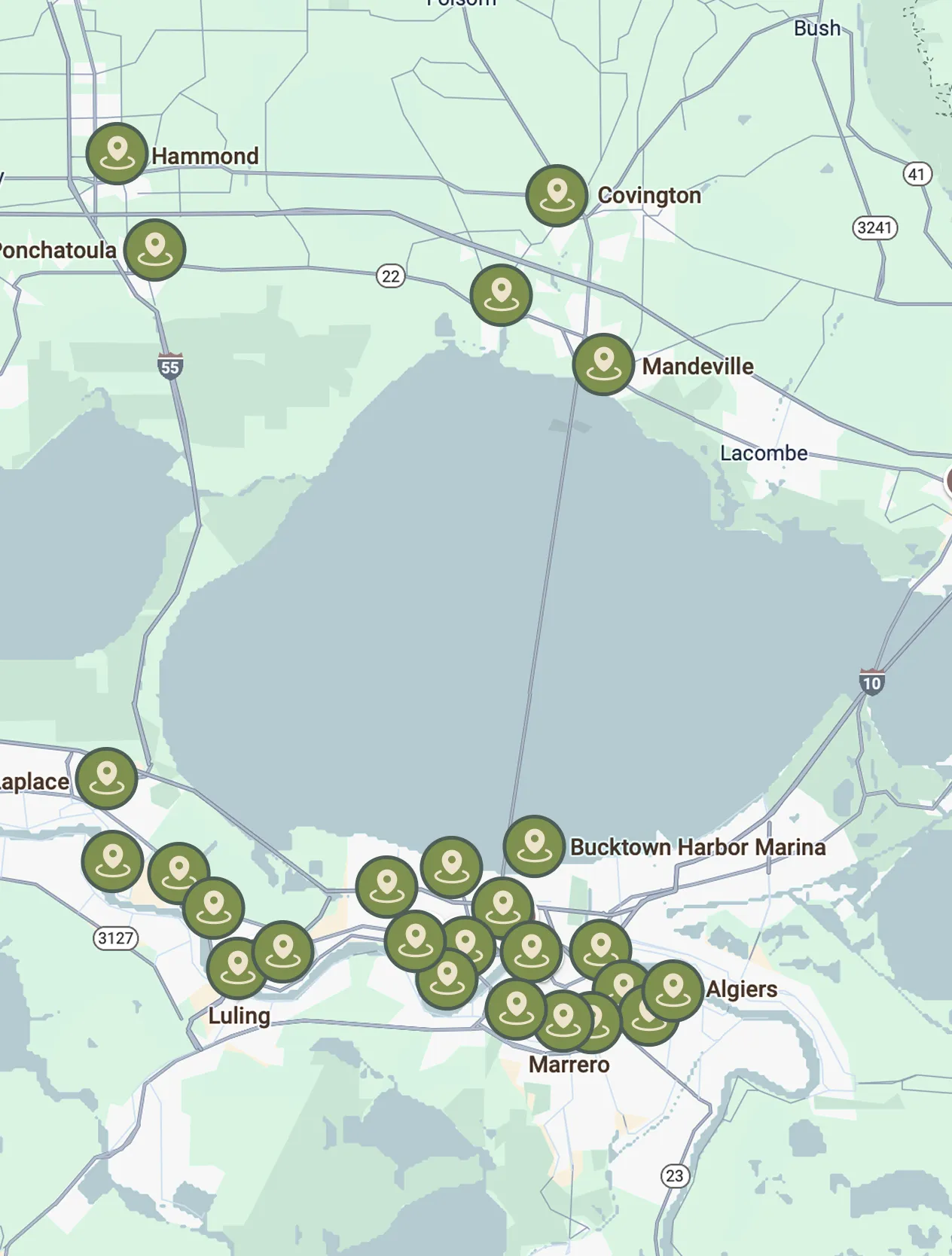
Our service areas are designed to meet the diverse needs of our clients. We focus on providing exceptional service and ensuring customer satisfaction in every location we operate.