AC Replacement in Pontchartrain Gardens, LA
.webp)
Replacing an aging AC system in Pontchartrain Gardens, LA, with Cypress Cooling can be more costeffective than repeated repairs, especially when upgrading to a highefficiency model. We guide homeowners through energyefficient options, SEER ratings, and choosing the right system for their home and budget. The process includes a professional home assessment, precise loadsizing, removal of outdated equipment, and expert installation. Cypress Cooling provides details on warranties, rebates, financing options, and typical timelines to set clear expectations. We also offer beforeandafter gallery ideas, customer feedback, and maintenance tips to boost performance and extend system life in humid, coastal conditions.

Air Conditioning Replacement in Pontchartrain Gardens, LA
Replacing an aging or failing air conditioning system in Pontchartrain Gardens, LA is often the most cost-effective way to restore dependable cooling, reduce energy bills, and protect your home from the region’s hot, humid summers and salty coastal air. This page explains when replacement makes more sense than repair, compares energy-efficient options and SEER ratings, walks through the home assessment and load-sizing process, details removal and professional installation steps, and outlines warranty, rebate and financing considerations plus realistic timeline expectations. It also describes the types of before-and-after gallery images and the common themes that appear in customer reviews for replacements done in this neighborhood.
When to Replace vs. Repair: Signs replacement is recommended
Replacing an AC is usually the better choice when multiple of the following apply:
- System is older than 10 to 15 years and parts are becoming scarce or expensive.
- Frequent compressor or major component failures occur within a short period.
- Cooling performance is poor despite recent repairs, or the system cannot maintain comfortable humidity levels in Pontchartrain Gardens’ humid summers.
- Refrigerant type is obsolete and requires costly retrofits or refrigerant that is being phased out.
- Efficiency is low and energy bills remain high even after tune-ups.
- Duct leaks, corrosion from salt air, or repeated coil failures make repairs recurring and costly.
If you are weighing options, replacement is usually the smarter long-term choice when the remaining life expectancy is low and repair costs approach a significant portion of a new system’s value.
Energy-efficient system options and SEER ratings
Energy efficiency is a major factor in replacement decisions. In Pontchartrain Gardens, where cooling loads are high, investing in higher efficiency pays off through lower monthly energy use and better humidity control.
Common choices:
- High-efficiency split systems: Central split systems with variable-speed compressors offer good humidity control and quieter operation. SEER ratings range widely.
- Heat pumps: Modern heat pumps can both cool and heat efficiently and are increasingly competitive even in southern climates.
- Ductless mini-splits: Ideal for room additions, older homes with limited ductwork, or targeted comfort solutions.
- Packaged systems: Used when outdoor or rooftop configurations are required.
SEER guidelines (general):
- Baseline efficiency: mid-teens SEER is an entry-level efficiency for modern systems.
- High-efficiency: upper-teens SEER provides meaningful energy savings and improved comfort control.
- Premium systems: 20+ SEER offer the best efficiency and features but come with higher upfront cost.
Choosing the right SEER should balance upfront investment, expected energy savings, and how many years you expect to remain in the home.
Home assessment and load-sizing process
A professional replacement begins with a thorough home assessment to determine accurate cooling needs and optimize system performance:
- Manual J load calculation: Estimates heat gain based on home orientation, insulation, window types, number of occupants, attic conditions, and local climate. This prevents oversizing or undersizing.
- Duct inspection: Checks for leaks, improper sizing, poor airflow, or corroded sections affected by coastal humidity and salt.
- Equipment siting: Evaluates outdoor unit location for airflow, shading, and salt exposure. Proper placement improves longevity and efficiency.
- Electrical and structural review: Ensures panels, wiring, and mounting surfaces meet code and manufacturer requirements.
An accurately sized system improves comfort, reduces cycling, and extends equipment life—especially important in Pontchartrain Gardens where high humidity can stress undersized equipment.
Removal of old equipment and professional installation steps
Replacement should follow industry best practices to protect your home and system performance:
- Safe decommissioning: Certified technicians recover refrigerant, disconnect electricals, and prepare the old unit for removal following environmental and safety rules.
- Site preparation: Old pad or mounting hardware is removed or leveled. New pad or bracket is installed to ensure proper drainage and airflow.
- Ductwork and line set preparation: Damaged duct sections are repaired, returns and supplies balanced, and refrigerant lines properly sized and insulated.
- Equipment installation: Condenser and evaporator installed per manufacturer instructions; thermostats and controls integrated.
- Startup and commissioning: System is charged, airflow and electrical draw measured, thermostat calibration checked, and a full performance test is completed.
- Job site cleanup and disposal: Old equipment is removed and disposed of according to local regulations.
Professional installation is crucial for warranty validity and to ensure the theoretical efficiency is realized in everyday operation.
Warranty, rebates, and financing assistance
Replacement projects typically include:
- Manufacturer warranty: Covers major components for a specified term. Understand what labor, parts, and compressor warranties include.
- Labor warranty: Installer-provided labor coverage varies; confirm terms and exclusions.
- Rebates and incentives: Local utility programs, state incentives, or federal tax credits sometimes apply to high-efficiency systems. Availability and qualification criteria vary.
- Financing options: Installers and third-party lenders often offer financing plans to spread replacement costs over time.
Review warranty fine print, register new equipment if required, and check current local incentives before committing to a specific system.
Cost factors and timeline expectations
Factors that affect final cost:
- System size and efficiency level selected.
- Ductwork condition and any necessary modifications.
- Accessibility of equipment locations and need for structural work.
- Electrical upgrades or permit requirements.
- Choice of advanced controls or indoor air quality equipment.
Typical timeline expectations:
- Simple like-for-like replacements: often completed in 1 to 2 days.
- Replacements involving ductwork, structural changes, or multiple permits: commonly take 3 to 7 days.
- Complex projects with custom duct design or multi-zone systems: may take longer.
While cost varies by system choices and home specifics, understanding these factors helps set realistic expectations for budgeting and project duration.
Before-and-after gallery examples and customer review themes
Before-and-after photos for Pontchartrain Gardens replacements commonly highlight:
- Removal of rusted or corroded condensers and installation of new, elevated pads to improve drainage during storms.
- Repaired or replaced duct runs and sealed connections to reduce air loss and improve airflow.
- New condenser placement with neighbor-friendly setbacks and improved airflow protection.
- Upgraded thermostats and clean indoor unit installations showing improved access for maintenance.
Common themes in satisfied customer feedback typically mention:
- Noticeably lower energy use and more consistent indoor temperatures.
- Quieter operation and improved humidity control during summer months.
- Professional installation practices and clear explanation of system operation.
- Faster recovery from power cycles and more reliable cooling through peak summer heat.
Benefits of timely replacement and maintenance tips
Replacing an inefficient or failing AC in Pontchartrain Gardens delivers:
- Better comfort with more consistent temperatures and improved humidity control.
- Lower energy consumption and reduced wear from short cycling.
- Enhanced reliability during peak heat and storm seasons.
- Opportunity to add modern features like zoned control and advanced filtration.
Maintenance tips after replacement:
- Change filters regularly and use recommended filter MERV ratings for the new system.
- Schedule annual tune-ups to preserve efficiency and warranty compliance.
- Keep outdoor unit clear of debris, salt buildup, and vegetation to sustain airflow.
- Monitor refrigerant performance and duct condition periodically, especially after severe weather.
A well planned replacement and proper follow-up maintenance maximize system lifespan and deliver the comfort and efficiency Pontchartrain Gardens homes demand.
OUR CLIENTS HAVE TO SAY ABOUT US


Service areas
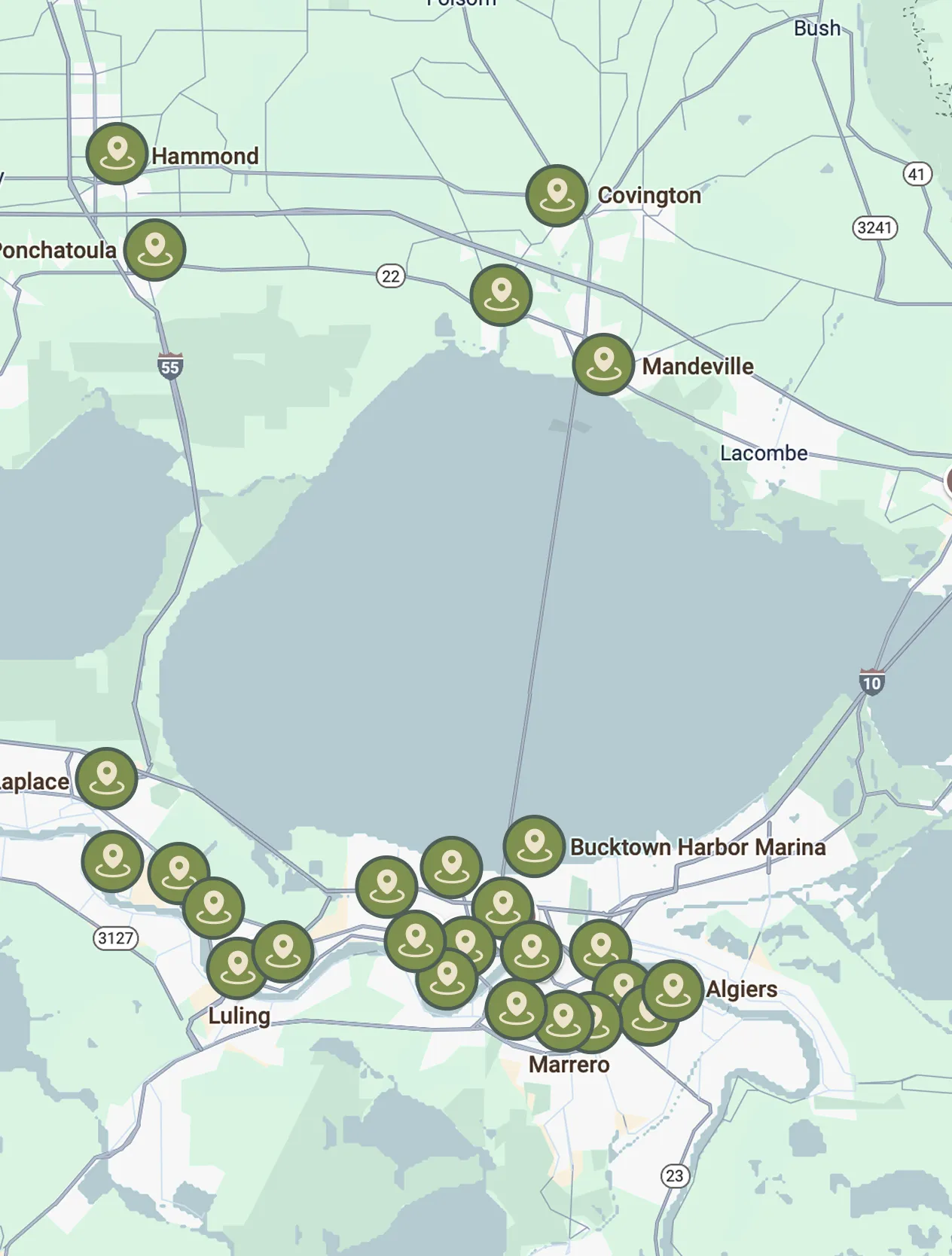
Our service areas are designed to meet the diverse needs of our clients. We focus on providing exceptional service and ensuring customer satisfaction in every location we operate.