AC Replacement in Westwego, LA
.webp)
Looking for AC replacement in Westwego, LA? Cypress Cooling provides a comprehensive overview of the entire process, from evaluating your aging system to selecting an energyefficient replacement and guiding you through removal, installation, and ongoing care. Our experienced technicians will thoroughly assess your current equipment, perform detailed load calculations, carefully match components, and compare various models based on SEER ratings, cost, and expected lifespan. We'll provide clear timelines, explain all cost factors, explore financing options, outline warranty coverage, discuss available rebates, and offer practical maintenance tips to maximize efficiency, comfort, and longterm value for your Westwego home. With Cypress Cooling, you can be confident you're making the right choice for your home's cooling needs in our hot, humid coastal climate.
-min.webp)
Air Conditioning Replacement in Westwego, LA
Replacing an aging or failing air conditioning system is one of the most important decisions for homeowners in Westwego, LA. With long, hot, humid summers, salt air from nearby waterways, and frequent storm exposure, an inefficient or undersized AC can mean high energy bills, uncomfortable indoor humidity, and costly emergency repairs. This page explains the full air conditioning replacement process for Westwego homes: how systems are evaluated, how the right, energy-efficient unit is selected and sized, what to expect during removal and installation, warranty and rebate considerations, typical timelines and cost factors, and financing options to help make a replacement affordable.
Common signs you need a full air conditioning replacement in Westwego
- Repeated breakdowns or major component failures — compressors or coils failing multiple times typically mean continued repairs are no longer economical.
- System is more than 10-15 years old — older units run far less efficiently and use outdated refrigerants.
- Uneven cooling or poor humidity control — inadequate capacity or failing components lead to hot rooms and high indoor humidity, a particular problem in coastal Louisiana.
- Rising energy bills despite routine service — declining efficiency as equipment ages results in higher monthly costs.
- Rust, corrosion or refrigerant leaks — Westwego’s salty, humid air accelerates corrosion on outdoor units and refrigerant lines.
- Noise, odors, or indoor air quality concerns — failing systems can introduce dust, mold spores, or unpleasant smells into living spaces.
How we assess your existing equipment and determine the right replacement
A professional replacement starts with a thorough assessment of your current system and home characteristics:
- Equipment inspection — evaluate age, condition of compressor and coils, refrigerant type, ductwork condition, and electrical components.
- Load calculation — a Manual J-style load calculation estimates your home’s cooling needs based on square footage, insulation, window orientation, occupancy, and Westwego’s climate. This determines the correct capacity (tonnage) for the new unit.
- Duct and airflow evaluation — confirm existing ducts are appropriately sized and sealed. Many replacement issues stem from duct problems, not the condenser itself.
- System matching — select an indoor coil, air handler or furnace that is correctly matched to the outdoor unit to ensure performance, efficiency, and reliable operation.
- Energy and lifecycle analysis — compare models by SEER rating, estimated annual operating cost in local conditions, and expected lifespan to identify the best value for your budget.
Recommendations for energy-efficient models and sizing
Westwego homeowners benefit from choosing systems that handle high humidity and corrosive coastal air:
- SEER and efficiency — aim for higher SEER ratings for better cooling efficiency in hot-summer climates. Higher SEER reduces electric bills and improves comfort during peak demand.
- Humidity control features — systems with variable-speed compressors or two-stage compressors maintain lower humidity and more stable indoor temperatures.
- Corrosion-resistant components — look for coated coils, corrosion-resistant fasteners, and protective finishes suited to coastal environments.
- Right-sized equipment — oversizing leads to short cycling and poor dehumidification; undersizing causes constant run times and stress. Proper unit sizing via load calculation is essential.
Removal, disposal, and professional installation steps
A safe, code-compliant replacement follows clear steps:
- Pre-installation planning — confirm permits, system selection, and access requirements; schedule around weather and other constraints.
- Safe refrigerant recovery and disposal — certified technicians recover existing refrigerant per EPA rules and dispose of regulated materials responsibly.
- Careful equipment removal — outdoor condensing unit, indoor coil, and compatible components are removed with attention to minimizing property impact.
- Ductwork and electrical upgrades — supplement or repair duct sealing, add proper electrical service and disconnects, and install necessary safety devices.
- Install new equipment and charging — mount the new outdoor unit, set the matched indoor coil or air handler, evacuate lines, and charge refrigerant precisely per manufacturer specs.
- System startup and verification — test electrical loads, airflow, refrigerant pressures, thermostat calibration, and overall system operation. Provide a walkthrough of system controls and recommended maintenance.
- Responsible disposal and documentation — old equipment is hauled away and recycled when possible; warranties and product registration documents are provided.
Warranties, rebates, and local incentives
- Manufacturer warranties — most major brands offer compressor and parts warranties; register equipment promptly to ensure coverage.
- Labor warranties — reputable installers back their workmanship with labor or service warranties for a set period after installation.
- Utility and local rebates — energy-efficient equipment may qualify for rebates from local utilities or statewide programs; Westwego homeowners should check local incentives and available federal tax credits for high-efficiency upgrades.
- Extended service plans — optional extended coverage can offer additional peace of mind beyond standard warranties.
Expected timeline and cost considerations
- Typical timeline — a straightforward replacement often takes 1 to 2 days. Complex jobs that require duct modifications, electrical upgrades, or permit delays may take longer. Westwego’s weather, especially during hurricane season, can affect scheduling.
- Cost factors — total investment depends on unit capacity and efficiency, indoor component needs (coil/air handler/furnace), ductwork condition, electrical upgrades, permit fees, and disposal costs. While higher-efficiency units cost more upfront, they typically deliver lower operating expenses and improved comfort over the unit lifecycle.
- Long-term value — consider energy savings, increased home comfort and resale appeal, reduced repair risk, and improved indoor air quality when weighing replacement decisions.
Financing options to make replacement more affordable
Various financing structures can make a quality replacement manageable:
- Payment plans and loan options — flexible monthly payments can spread the cost over time while delivering immediate comfort and efficiency gains.
- Promotional financing — seasonal or manufacturer-backed plans sometimes include low or deferred interest terms for qualified buyers.
- Energy-based savings — projected reductions in monthly energy bills often offset a portion of the financing payment, improving the net cost of ownership.
Why timely replacement matters for Westwego homes and maintenance tips
Timely replacement prevents emergency failures during the hottest months, reduces energy waste, and addresses corrosion-prone equipment before complications arise. After installing a new system:
- Schedule annual maintenance that includes coil cleaning, refrigerant checks, and airflow testing.
- Change filters regularly and maintain clear airflow around outdoor units.
- Consider a maintenance agreement to preserve efficiency and warranty coverage.
Choosing the right air conditioning replacement in Westwego, LA means matching equipment to local climate realities and your home’s exact needs. A properly assessed, sized, and installed system provides reliable comfort, better humidity control, and lower utility costs for years to come.
OUR CLIENTS HAVE TO SAY ABOUT US


Service areas
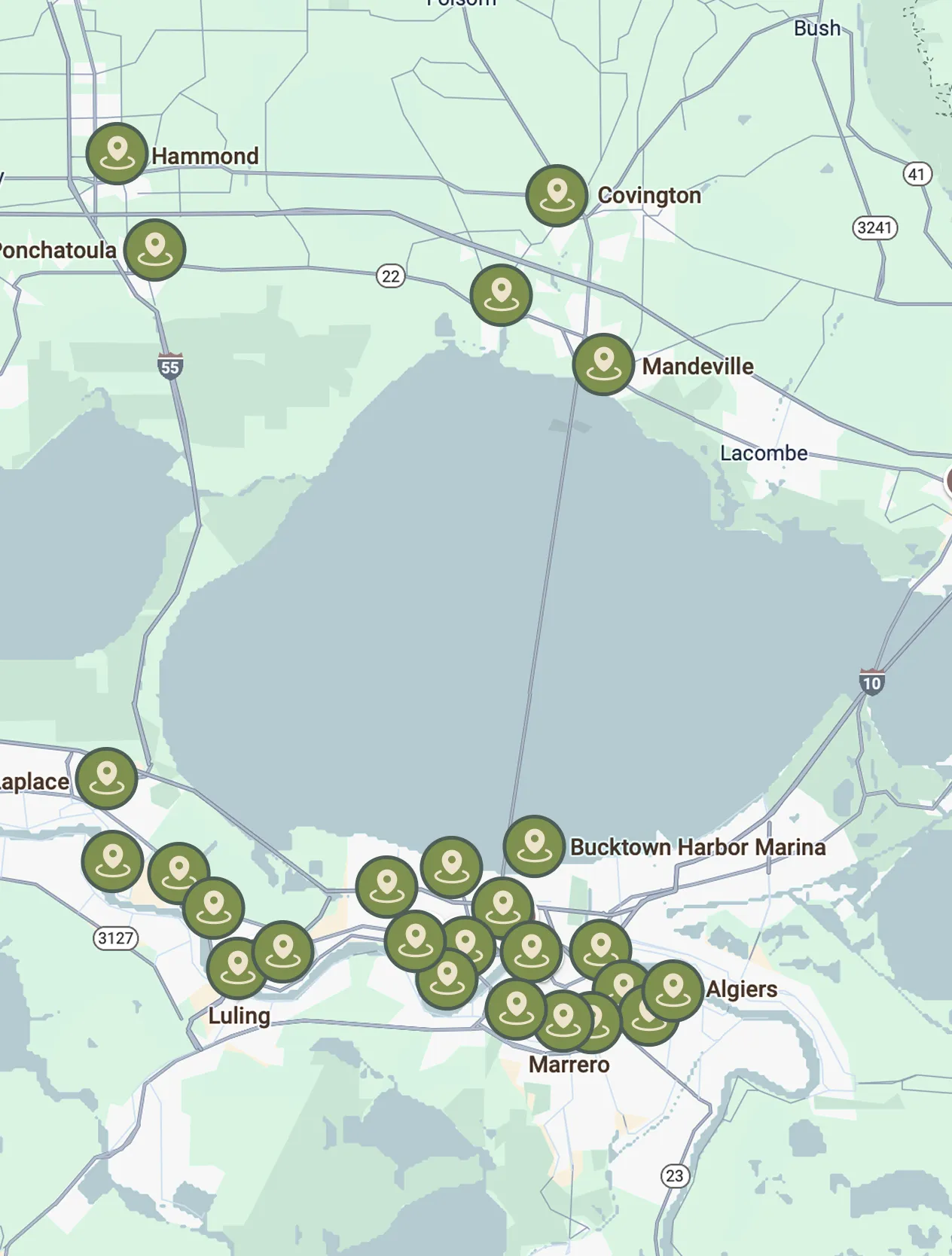
Our service areas are designed to meet the diverse needs of our clients. We focus on providing exceptional service and ensuring customer satisfaction in every location we operate.