AC Replacement in St. Rose, LA
.webp)
Is your AC struggling to keep up in St. Rose, LA? Cypress Cooling specializes in AC replacement, helping you understand when it's time to upgrade an aging, inefficient system. We offer a range of modern options, from heat pumps to perfectly matched outdoor/indoor units. Our team handles the entire replacement process, including thorough diagnostics, precise sizing calculations (Manual J), careful installation steps, responsible disposal of the old unit, and clear warranty information. We'll discuss financing options and realistic timelines, along with factors that can affect cost, such as ductwork modifications, system upgrades, and flood resilience measures. Cypress Cooling is committed to helping you select the right system, maintain peak performance, and ensure longterm comfort and energy efficiency in our humid, coastal environment.
-min%2520(1).webp)
Air Conditioning Replacement in St. Rose, LA
Replacing an air conditioning system is a major decision for St. Rose homeowners. With long, humid summers and occasional severe storms, an efficient, properly sized system is essential for comfort, indoor air quality, and long-term energy savings. This page explains when replacement is the right choice, what modern options do for homes in St. Rose, the step-by-step replacement process, disposal and warranty considerations, financing availability, timelines, and how to choose the right system for your property.
Why replace instead of repair
Consider replacement when you encounter one or more of these signs:
- System age: older units lose efficiency and parts become scarce.
- Frequent breakdowns or rising repair frequency and costs.
- Poor cooling performance or uneven temperatures across rooms.
- High energy bills despite regular maintenance.
- Use of phased-out refrigerants that are costly or restricted to service.
- Persistent humidity or indoor comfort problems even after repairs.
In St. Rose, high humidity and long run times accelerate wear. Replacing an inefficient or failing unit often delivers better comfort and lower operating costs than continued repairs.
Common air conditioning replacement scenarios in St. Rose
- Single component failure on a very old system where replacement is more economical than repeated repairs.
- Upgrading an undersized unit after home renovations or added living space.
- Replacing a full split system (outdoor condenser and indoor air handler) for improved efficiency.
- Converting from a packaged unit to split system or switching to a heat pump for year-round comfort.
- Replacing equipment after storm or flood damage; choosing elevated mounting and corrosion-resistant components for flood-prone areas.
Diagnostic and sizing: what professionals do
A reliable replacement starts with proper diagnostics and load calculations:
- Visual inspection of existing equipment, ductwork, and electrical supply.
- Manual J load calculation to determine cooling load based on home size, insulation, orientation, window types, and occupancy.
- Manual D duct assessment to verify airflow distribution and need for repairs or resizing.
- Manual S selection guidance to choose equipment that matches the calculated load and humidity control needs.
Correct sizing prevents short cycling, poor humidity control, and premature wear. In St. Rose homes, accounting for high humidity and potential heat gain from southern exposures is essential.
Energy-efficient unit options
Modern systems offer features that improve comfort and lower utility use:
- High-efficiency SEER-rated condensing units: higher SEER numbers deliver greater savings in hot climates.
- Variable-speed or two-stage compressors and blowers for better temperature and humidity control and quieter operation.
- Heat pumps that provide efficient cooling and heating for mild winters common in South Louisiana.
- Matched systems (outdoor unit and indoor coil from the same manufacturer) for optimal performance and warranty coverage.
- Enhanced filtration and optional whole-home dehumidification for improved indoor air quality in humid conditions.
Selecting the right efficiency level should balance upfront cost, expected energy savings, and how long you plan to remain in the home.
Step-by-step replacement process
A typical replacement follows these steps:
- Site assessment and load calculations to confirm size and options.
- Equipment selection and permit review to meet local codes and any HOA requirements.
- Preparation: disconnecting power, protecting work areas, preparing mounting pad or platform if needed.
- Removal and disposal of old equipment, including safe refrigerant recovery.
- Installation of new outdoor unit, indoor air handler or coil, and refrigerant lines.
- Electrical connections, thermostat installation or upgrade, and ductwork adjustments if required.
- System charge, startup, and performance testing for temperature rise, airflow, and refrigerant levels.
- Homeowner walkthrough explaining operation, maintenance needs, and warranty coverage.
Removal and disposal
Responsible removal includes:
- Refrigerant recovery to comply with environmental regulations.
- Recycling or proper disposal of the old metal and components.
- Documentation of disposal for permits or insurance claims.
- Elevating or anchoring outdoor equipment per local wind and flood codes where appropriate.
St. Rose’s proximity to the river and occasional flooding means outdoor units may be mounted higher or secured with hurricane straps to reduce storm damage risk.
Warranties and manufacturer options
Understand warranty layers:
- Manufacturer limited warranties typically cover the compressor and sealed system for a specified term; labor warranties vary.
- Extended parts and labor plans may be available through installers or manufacturers.
- Matching components from the same manufacturer usually preserve full warranty benefits.
Always review warranty terms for registration requirements, transferable benefits, and what voids coverage (improper installation or lack of maintenance).
Financing availability
Replacement is an investment. Many homeowners use financing to spread payments over time. Typical financing options include deferred interest or fixed-term plans through lenders or in-house agreements with approved terms. Evaluate interest rates, term length, and total cost when considering financing to find the right fit for your budget and timeline.
Expected timelines and cost considerations
Timelines depend on scope:
- Straight swap of condenser and air handler in good-access locations often completes in a day.
- Replacements requiring ductwork repair, electrical upgrades, or permit processing can take multiple days to a week.
- Larger projects with structural work or flood elevation can extend timelines.
Cost is determined by factors, not just equipment price:
- System capacity and efficiency level.
- Need for duct repair, sealing, or resizing.
- Upgrades like smart thermostats, zoning systems, or dehumidifiers.
- Electrical panel upgrades or changes to meet code.
- Structural work to elevate or secure outdoor equipment in flood-prone areas.
Choosing the right system for your St. Rose home
Ask these questions when comparing options:
- Has a certified technician completed a Manual J load calculation for my home?
- Is the system sized to control humidity as well as temperature?
- Are components matched for warranty and efficiency?
- Will the location and mounting of the outdoor unit withstand local weather and flood considerations?
- How will ductwork condition affect airflow and system efficiency?
- What are the long-term operating costs and expected service life?
Prioritize correct sizing, matched components, and corrosion-resistant materials for coastal-influenced air and high humidity.
Maintenance and long-term benefits
After replacement, routine maintenance prolongs life and preserves efficiency:
- Seasonal inspection and tune-up, filter changes, and coil cleaning.
- Monitoring refrigerant charge and airflow to prevent efficiency losses.
- Addressing small duct leaks and insulation issues early.
A properly selected and installed system improves comfort, lowers energy use, controls humidity better in St. Rose’s climate, and reduces the risk of mid-summer breakdowns.
ConclusionAir conditioning replacement in St. Rose, LA requires attention to humidity performance, correct sizing, and storm and flood resiliency. With the right assessment, modern equipment choices, and a careful installation process, homeowners can upgrade comfort, improve indoor air quality, and reduce energy use for years to come.
OUR CLIENTS HAVE TO SAY ABOUT US



Service areas
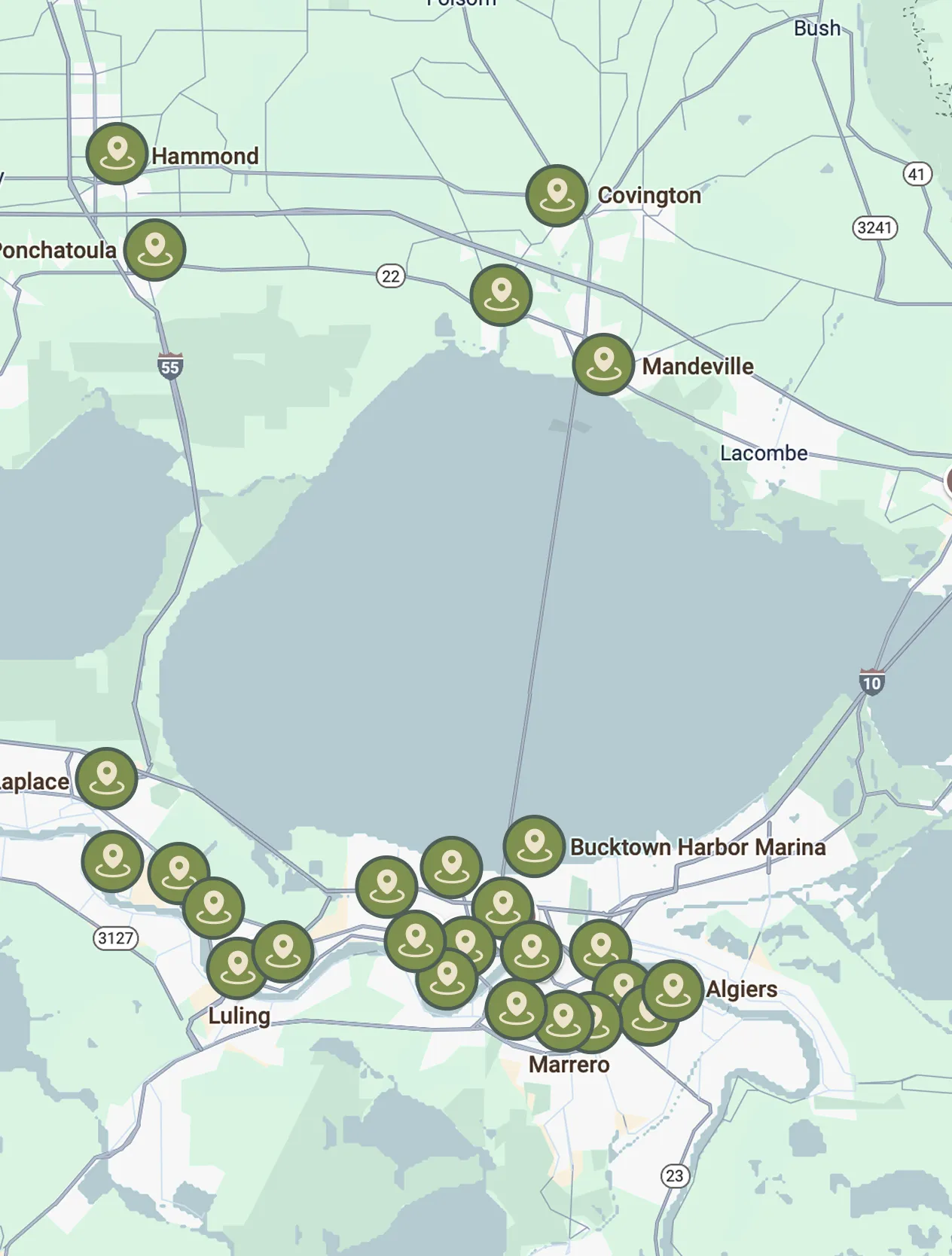
Our service areas are designed to meet the diverse needs of our clients. We focus on providing exceptional service and ensuring customer satisfaction in every location we operate.