AC Replacement in Slidell, LA
.webp)
For Slidell homeowners, the question often arises: is it time to replace my AC? Cypress Cooling helps you determine when replacement becomes more costeffective than continuous repairs. We guide you through assessing aging systems, rising energy bills, and persistent humidity issues. Living near the coast requires special considerations, and we'll explain SEER, EER, and corrosionresistant options tailored for coastal Louisiana. Proper sizing is crucial, and we utilize Manual J/D calculations to ensure optimal performance. Cypress Cooling manages the entire replacement and disposal process, providing clear timelines, financing options, warranties, and thorough postinstallation testing. We've seen firsthand how durable upgrades improve comfort, reduce maintenance, and provide lasting value for our Slidell customers. Trust Cypress Cooling for a professional evaluation and comprehensive commissioning.
-min%2520(1).webp)
Air Conditioning Replacement in Slidell, LA
When your air conditioner struggles to keep up with Slidell’s hot, humid summers, replacement may be the smartest long-term decision. This page explains when to replace versus repair, how to choose an energy-efficient system, how proper sizing works for coastal Louisiana homes, what the replacement and disposal process looks like, realistic timelines and cost ranges, financing considerations, warranty and testing expectations, and real-world examples from Slidell projects.
When replacement is recommended vs repair
Consider replacement when one or more of the following apply:
- The system is more than 10–15 years old and major components (compressor, evaporator coil) are failing.
- Repairs are frequent or a single impending repair would cost 50% or more of a new system.
- Your energy bills are rising despite regular maintenance.
- Comfort problems persist after repairs (poor humidity control, uneven cooling, weak airflow).
- The system uses outdated refrigerant that is being phased out or is costly to recharge.
In Slidell’s humid climate, older systems also struggle with moisture removal and corrosion. Replacing an undersized or failing unit often improves comfort, reduces monthly energy costs, and lowers the risk of emergency breakdowns during heat waves.
Energy-efficient systems: SEER, EER, and model comparisons
Energy performance matters in South Louisiana because air conditioners run many months of the year. Key metrics:
- SEER (Seasonal Energy Efficiency Ratio) measures seasonal cooling efficiency. Higher SEER = lower running costs.
- EER (Energy Efficiency Ratio) measures efficiency at peak conditions; useful for evaluating performance during hottest days.
- Inverter/variable-speed compressors modulate output to match load, improving humidity control and reducing short cycling.
- Heat pumps provide efficient cooling and heating year-round; consider models with strong dehumidification performance.
Recommended approach:
- Aim for systems with higher SEER if you plan to stay in the home long-term; a modest SEER bump often pays back through lower energy bills.
- Compare matched system components (outdoor unit, indoor coil, air handler) rather than single parts.
- For coastal properties, look for corrosion-resistant coils, protective coatings, and coastal-rated construction to extend lifespan.
System sizing and load calculations for Slidell homes
Sizing is crucial—both oversizing and undersizing cause problems. Slidell’s features that affect load:
- High humidity increases latent cooling demand.
- Large windows, sun exposure, and open floor plans raise cooling loads.
- Older insulation or single-pane windows increase required capacity.
- Elevated moisture intrusion and frequent storms can increase indoor humidity after weather events.
Professional sizing uses a Manual J load calculation, which accounts for:
- Home square footage, orientation, window types, insulation, ceiling height.
- Local design temperatures, occupancy, and internal heat gains from appliances.
- Ductwork losses and layout (Manual D) to ensure proper airflow and distribution.
Avoid rule-of-thumb sizing. A correctly sized, properly commissioned system is more comfortable, quieter, and more efficient.
Replacement and disposal process
A typical replacement includes:
- Initial on-site evaluation and professional load calculation.
- Selection of a properly sized, matched system and review of equipment options.
- Pre-install inspection of existing ductwork, thermostat, and electrical supply.
- Safe recovery of refrigerant from the old unit, per EPA regulations.
- Removal and recycling/disposal of old equipment (metal recycling, proper coil disposal).
- Installation of new outdoor and indoor units, coil swaps if needed, and secure mounting (elevated platforms for flood-prone areas).
- Electrical connections, condensate drain setup, and refrigerant charging.
Coastal homes may require additional corrosion protection and elevated or secured outdoor units to resist flooding and wind events.
Expected timelines
- Inspection and load calculation: 1–3 business days.
- Equipment lead time: same-day to 2 weeks (special-order or high-efficiency models may take longer).
- Permitting (if required): 0–2 weeks depending on local requirements.
- Typical straight swap installation: 1 day for standard split systems.
- Complex installs (duct modification, structural work, multiple zones): 2–4 days.
- Final testing and homeowner walkthrough: same day as installation completion.
Plan for variability during peak seasons when demand increases and equipment lead times can lengthen.
Cost estimates and financing options
Replacement cost depends on system size, efficiency level, ductwork condition, and any required electrical upgrades. Typical ranges:
- Basic replacement for a small to medium Slidell home: approximately $3,500–$6,000.
- Mid-range energy-efficient systems with matched indoor coils: approximately $5,000–$9,000.
- High-efficiency or variable-speed systems, or installations requiring significant ductwork or electrical work: $8,000–$15,000+.
Financing options commonly available:
- Fixed-term HVAC loans with predictable monthly payments.
- Deferred-interest or 0% introductory APR plans through third-party lenders (read terms carefully).
- Home improvement loans or lines of credit.
- Energy-efficiency incentive programs or rebates (availability varies).
Always review financing terms and compare total cost of credit. Investment in higher efficiency can reduce operating costs but consider payback timelines.
Warranty details and post-installation testing
Typical warranties include:
- Manufacturer parts warranty (commonly 5–10 years on major components).
- Compressor warranties often 5–10 years; higher-end units may offer longer coverage.
- Labor warranties vary; confirm the duration and what is covered.
Look for:
- Whether warranties are prorated after a certain period.
- Registration requirements to activate full warranty.
- Maintenance obligations required to keep the warranty valid.
Post-installation testing and commissioning should include:
- Refrigerant charge and pressure verification.
- Airflow measurements at register level and static pressure checks.
- Thermostat calibration and system cycling observations.
- Condensate drainage and overflow protection tests.
- Electrical safety checks and verification of proper voltage and amp draw.
Proper commissioning ensures the system performs to specification and helps validate warranty claims later.
Local case studies and gallery examples (Slidell, LA)
Project A — Historic Bungalow in Olde Towne Slidell
- Problem: 18-year-old unit with poor humidity control, frequent compressor failures.
- Solution: Replaced with a 16 SEER variable-speed heat pump, matched coil, and upgraded thermostat. Duct sealing reduced leakage by 25%.
- Outcome: More consistent indoor humidity control, 20–30% energy savings in summer months, significantly quieter operation.
Project B — Coastal Home near Lake Pontchartrain
- Problem: Corrosion and repeated component failures on a coastal-exposed unit; unit was at ground level and vulnerable to flooding.
- Solution: Installed coastal-rated condenser with enhanced coil coating, elevated mount, and hurricane straps. Added smart thermostat and condensate safety switches.
- Outcome: Improved equipment longevity, reliable performance after storms, and better overall comfort during humid spells.
These examples show common Slidell challenges—humidity, coastal corrosion, and aging equipment—and how targeted replacements solve them.
Final considerations and maintenance advice
Replacing an AC is an investment in comfort and resilience. In Slidell, prioritize systems with good humidity control, corrosion protection, and proper sizing. After replacement, schedule regular maintenance—clean coils, check refrigerant levels, and inspect drains—to protect performance and warranty coverage. Proper selection, professional sizing, and thorough commissioning deliver the best long-term outcome for homes in Slidell, LA.
OUR CLIENTS HAVE TO SAY ABOUT US


Service areas
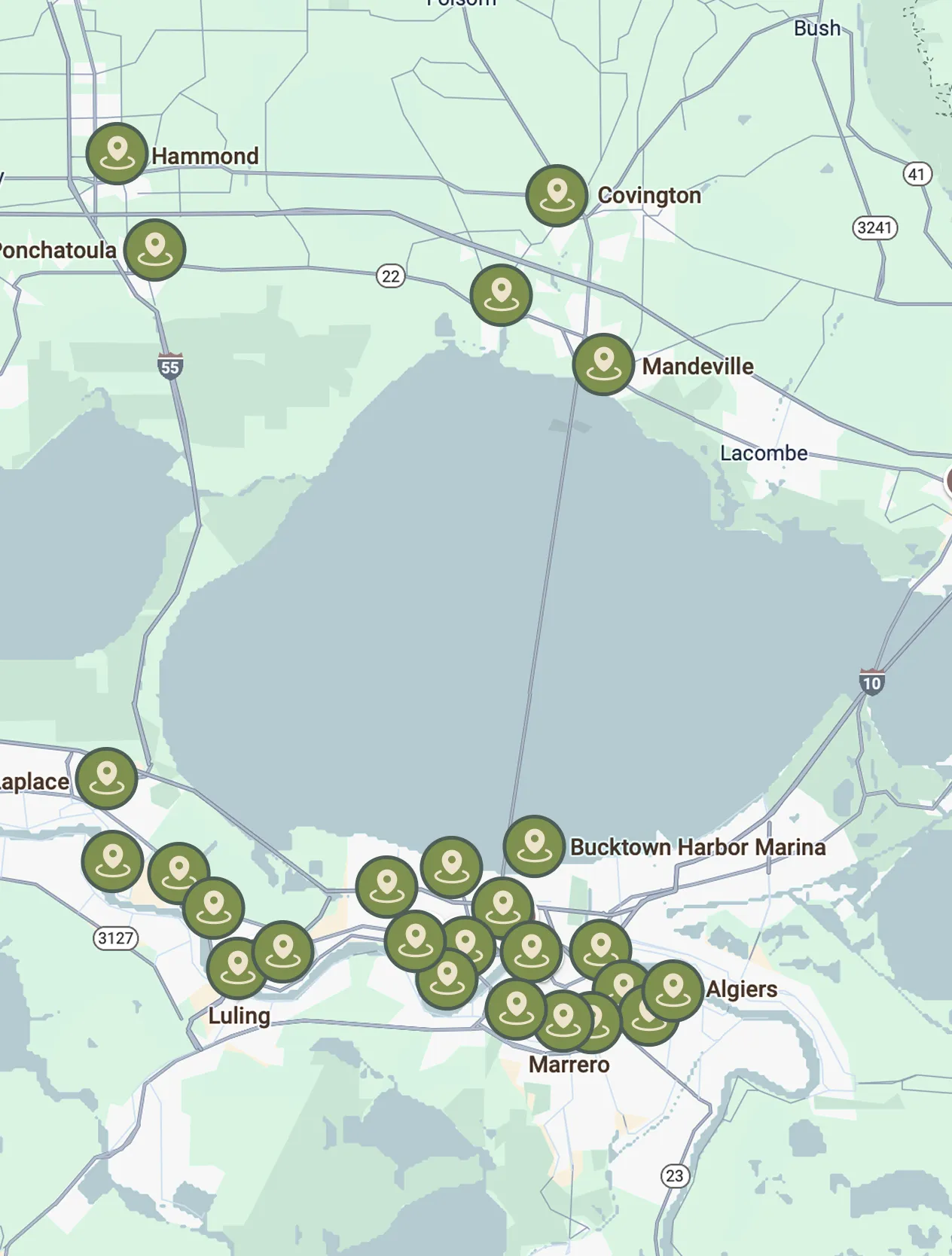
Our service areas are designed to meet the diverse needs of our clients. We focus on providing exceptional service and ensuring customer satisfaction in every location we operate.