AC Repair in Terrytown, LA
.webp)
Cypress Cooling takes a clear, diagnosticfirst approach to AC repair in Terrytown, LA. Our professional technicians focus on identifying the root cause of your AC problems, rather than just masking the symptoms. We commonly see issues like thermostat failures, refrigerant leaks, compressor problems, and restricted airflow in Terrytown homes. We'll explain the typical repair procedures, from thermostat recalibration to refrigerant recharge and compressor replacement. Cypress Cooling also provides details on expected response times, emergency service options, technician qualifications, warranty information, and practical maintenance tips to help you minimize future breakdowns and extend the life of your equipment.
-min.webp)
Air Conditioning Repair in Terrytown, LA
Keeping your air conditioning running reliably is essential in Terrytown, LA, where long, humid summers and frequent storm activity put heavy demand on cooling systems. This page explains common AC problems in Terrytown homes, how professional diagnostics and repairs are performed, what parts and procedures are typically involved, expected response and turnaround expectations including emergency service, technician qualifications, warranty considerations, and practical maintenance tips to reduce future repairs.
Why timely AC repair matters in Terrytown, LA
High humidity and sustained heat cause AC systems to run longer and harder, increasing wear on compressors, fans, and controls. Coastal proximity and storm seasons can accelerate corrosion and lead to power interruptions that stress electrical components. Left unaddressed, small issues like a failing capacitor or minor refrigerant leak can escalate into compressor failure or system-wide breakdowns, which are more costly and disruptive.
Common AC problems in Terrytown homes
- Thermostat failures: inaccurate temperature readings, loose wiring, or failed controls that cause short cycling or no cooling.
- Refrigerant leaks: low refrigerant reduces cooling capacity and can ice evaporator coils; leaks often occur at fittings, service valves, or due to corrosion.
- Compressor issues: electrical failure, overheating, or mechanical wear that results in noisy operation or total loss of cooling.
- Weak airflow: restricted return or supply ducts, clogged filters, failing blower motors, or closed vents that reduce cooling effectiveness.
- Unusual noises: rattling, grinding, hissing, or buzzing that indicate loose components, motor bearing failure, refrigerant leaks, or electrical arcing.
- Condensate problems: clogged drain lines or pan corrosion leading to water leaks and possible indoor humidity or mold concerns.
Diagnostic and troubleshooting process
A comprehensive diagnostic sequence isolates the root cause rather than treating symptoms. Typical steps include:
- Visual inspection: check outdoor and indoor units, wiring, and visible corrosion or damage.
- Thermostat and control check: verify settings, battery and power, and control board signals.
- Electrical testing: measure voltage and current to compressors, motors, capacitors, and contactors to detect failing components.
- Refrigerant assessment: measure pressures and temperatures to determine charge level; use electronic leak detectors or UV dye where needed.
- Airflow analysis: inspect filters, blower motor operation, duct condition, and register airflow to find restrictions.
- Coil and drain inspection: examine evaporator and condenser coils, and condensate drainage systems for blockages or buildup.
- System performance test: evaluate cooling output and run the system through a full cycle to confirm findings.
Diagnostics often include a clear explanation of findings and recommended repair options, prioritized by safety, efficiency, and cost-effectiveness.
Typical repair procedures and parts used
Repairs are tailored to the diagnosed issue and the system type. Common procedures and components include:
- Thermostat replacement or recalibration using compatible programmable or smart models.
- Refrigerant leak repair: locating the leak, repairing fittings or coils where feasible, evacuating the system, and recharging with the correct refrigerant while documenting charge levels in compliance with EPA rules.
- Compressor replacement: when compressors fail, technicians match the correct size and type (scroll or reciprocating) and replace associated components like the filter drier and sometimes the condenser fan.
- Capacitor and contactor replacement: swapping in new run or start capacitors and contactors to restore reliable motor starts and electrical control.
- Blower motor and fan repairs: repairing or replacing motors, belts, or blades to restore proper airflow.
- Coil cleaning and condenser maintenance: removing debris and buildup to improve heat exchange efficiency.
- Condensate drain clearing or replacement and pan repair to prevent water damage and mold growth.Technicians typically use OEM or manufacturer-equivalent parts and replace related consumables (filters, driers) to protect the repaired components.
Expected response and turnaround times, including emergency repairs
In Terrytown, many providers prioritize quick response during peak heat or after storms. Typical expectations:
- Initial diagnostic visit: same day to within 24 to 48 hours depending on demand and severity.
- Standard repairs: often completed within a few hours to a day after the diagnostic, depending on parts availability.
- Major component replacements: may require ordering parts and take one to several days.
- Emergency repairs: many services offer rapid emergency response windows during extreme heat or system failure; technicians focus first on restoring safe, cooling-critical function.Response times can vary with seasonal peaks, so prompt diagnostics limit further damage and downtime.
Technician qualifications and certifications
Qualified technicians combine hands-on experience with certifications and safe refrigerant handling credentials:
- EPA Section 608 certification for legal refrigerant handling and recovery.
- Manufacturer training or factory certification for specific brands and models.
- Nationally recognized certifications such as NATE (North American Technician Excellence) that demonstrate tested HVAC skills.
- Local licensing and insurance to perform residential repairs in Terrytown and Jefferson Parish.Technicians should arrive with diagnostic tools, parts inventory, and safety gear to complete repairs reliably and in compliance with local codes.
Warranty information and what to expect
Warranty structures vary, but typical elements include:
- Manufacturer warranties on new parts installed (length varies by component).
- Limited labor warranties offered by repair providers covering workmanship for a defined period.
- Documentation provided after service listing replaced parts, serial numbers, and any warranty details.Review warranty terms for coverage length, exclusions, and responsibilities for upkeep to ensure continued protection.
Maintenance tips to reduce future repairs
Regular preventive maintenance extends equipment life and reduces emergency repairs:
- Replace or clean filters every 1 to 3 months during heavy use.
- Schedule seasonal tuneups to inspect electrical components, refrigerant charge, and coils.
- Keep outdoor units clear of debris, grass clippings, and corrosive salt buildup.
- Ensure proper drainage and clean condensate lines to prevent clogs and mold.
- Consider programmable thermostats and zoning to reduce run time and even out wear on equipment.Given Terrytown humidity and storm exposure, proactive maintenance is especially effective at preventing costly failures.
This service overview describes how professional air conditioning repair in Terrytown, LA addresses common local challenges with diagnostic rigor, qualified technicians, appropriate parts, and clear expectations for response and warranty coverage.
OUR CLIENTS HAVE TO SAY ABOUT US



Service areas
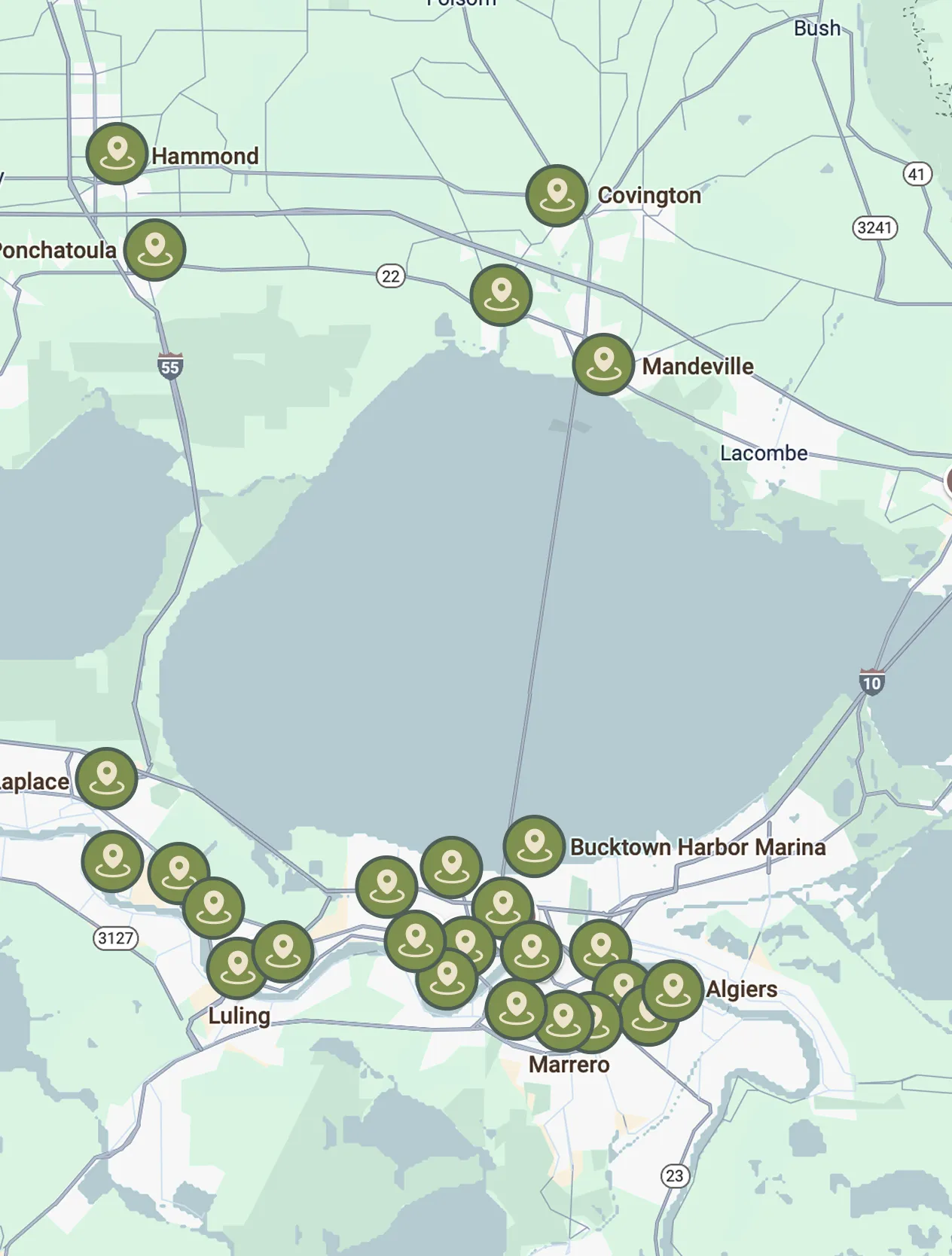
Our service areas are designed to meet the diverse needs of our clients. We focus on providing exceptional service and ensuring customer satisfaction in every location we operate.