AC Repair in Shrewsbury, LA
.webp)
When your AC goes down in Shrewsbury, LA, you need a reliable solution, fast. Cypress Cooling understands the unique challenges of our humid coastal climate. We don't just treat symptoms; we pinpoint the exact cause of your AC issues. Whether it's a faulty thermostat, a refrigerant leak, weak airflow, frozen coils, strange noises, or electrical problems, our technicians use a thorough diagnostic process. From visual inspections and safety checks to in-depth electrical testing and refrigerant analysis, we leave no stone unturned. Cypress Cooling provides transparent pricing and warranty coverage, and we'll even share practical maintenance tips to help you avoid future breakdowns, improve your system's efficiency, and extend its lifespan.
Air Conditioning Repair in Shrewsbury, LA
When your air conditioner struggles during Shrewsbury summers, the result is more than discomfort — high humidity, poor indoor air quality, and higher energy bills. Air Conditioning Repair in Shrewsbury, LA focuses on diagnosing and fixing the issues that matter most to local homeowners: restoring reliable cooling, reducing moisture problems, and protecting equipment from the coastal humidity and storm season that affect Greater New Orleans-area systems.
Common air conditioning repair issues in Shrewsbury, LA
Shrewsbury homes face specific stressors: prolonged heat, high humidity, and occasional storm-related power events. Those conditions make some failures more common:
- Thermostat issues
Inaccurate readings, dead batteries, or poor wiring can cause erratic cycling or no cooling. Smart thermostat communication problems also appear after power interruptions. - Refrigerant leaks
Low refrigerant reduces cooling capacity and can damage the compressor if left untreated. Corrosion and vibration in older lines increase leak risk in humid, coastal climates. - Weak airflow
Clogged filters, dirty coils, failing blower motors, or leaky/blocked ducts lead to reduced airflow and uneven cooling — a common complaint in older Shrewsbury houses. - Unusual noises
Grinding, squealing, or banging often indicate worn bearings, loose components, or failing compressors and should be inspected promptly. - Short cycling and frequent tripping
Electrical faults, oversized compressors, or safety switch activation (e.g., from ice on the coil) cause repeated on-off cycles that shorten equipment life. - Frozen evaporator coils and condensate issues
High humidity plus poor drainage or restricted airflow can freeze coils or cause condensate backups and water intrusion. - Electrical failures
Failed capacitors, contactors, relays, or breakers are common, especially after storms and extended high-load periods.
Diagnostic process technicians use
A clear, methodical diagnosis prevents unnecessary repairs and identifies underlying causes rather than symptoms. Typical diagnostic steps:
- Client history and symptom review — Ask when problems began, any recent power events, and past maintenance history.
- Safety checks — Turn off power, verify disconnects, and follow lockout/tagout practices.
- Visual inspection — Look for corrosion, burned wiring, damaged fins, and blocked condensate lines.
- Thermostat and control verification — Confirm proper thermostat function and settings.
- Electrical testing — Measure voltages, currents, and component continuity to identify failing capacitors, motors, or relays.
- Refrigerant and pressure checks — Use gauges and leak detection tools to evaluate charge and locate leaks.
- Airflow and duct assessment — Measure supply and return air, inspect filters, and check duct sealing.
- Performance test — Measure temperature split across evaporator coil and run the system to verify capacity.
Diagnostics typically take one visit, commonly 30–90 minutes, depending on system complexity and accessibility.
Typical repair procedures and expected timelines
Repair times depend on the failure type, parts availability, and system age. Common procedures include:
- Thermostat repair or replacement
Calibration or replacement is a quick repair, often completed in a single visit. - Refrigerant leak repair and recharge
Locating and repairing leaks may require dye, electronic detection, or nitrogen pressure testing. After repairs, technicians evacuate, test for tightness, then recharge. Small leaks can be resolved same day; complex leaks or line-set replacement can take multiple days. - Capacitor, contactor, motor replacement
These electrical repairs are typically completed in a few hours when parts are on hand. - Compressor replacement or major component swaps
A larger job that may require pulling permits, recovering refrigerant, and ordering major parts — allow additional lead time. - Coil cleaning and condenser repair
Cleaning and minor repairs are often same-day work; severe corrosion or coil replacement takes longer. - Duct repairs or condensate line service
Duct sealing, insulation, or condensate re-routing can vary from a few hours to a day, depending on access.
After each repair, technicians perform system checks to ensure proper pressures, airflow, and electrical safety.
Pricing and estimates
Costs vary with the scope of work, unit age, refrigerant type, and whether additional parts or permit work are required. Factors that influence estimates:
- Severity of the issue and whether multiple components are affected.
- Age and availability of replacement parts, especially for older equipment or systems using phased-out refrigerants.
- Accessibility of equipment and ductwork.
- Whether repair follows a diagnostic-only visit or includes immediate authorization to proceed.
Standard practice is to provide a written estimate after diagnostics, explaining options (repair vs replacement), parts and labor breakdowns, and any warranty terms. Diagnostic fees are often listed separately and may be credited toward authorized repairs.
Technician qualifications and safety practices
Quality AC repair relies on trained professionals who follow industry safety and environmental standards:
- Certifications — Technicians hold EPA Section 608 certification for refrigerant handling and often NATE or manufacturer-specific certifications.
- Ongoing training — Regular training ensures familiarity with variable-speed compressors, heat pumps, and smart controls.
- Safety protocols — Lockout/tagout, PPE, proper refrigerant recovery, and secure electrical testing practices protect people and property.
- Insurance and background screening — Technicians are insured and vetted for residential work in local communities.
Warranty, post-repair testing, and documentation
After repairs, expect thorough testing and documentation:
- Performance verification — Airflow, temperature split, refrigerant pressures, and electrical loads are recorded to confirm system health.
- Safety checks — Verify condensate drainage, safety switches, and thermostat operation.
- Workmanship warranty — Many repairs include a parts-and-labor warranty for a defined period; manufacturer warranties on replacement components may also apply.
- Service summary — Technicians typically provide a written report outlining work performed, parts installed, and recommended next steps.
Preventive tips and longer-term benefits
Timely repairs extend equipment life and improve comfort and efficiency — especially important in Shrewsbury where humidity and heat are year-round concerns. Preventive measures to reduce future repairs:
- Replace or clean filters monthly during heavy use.
- Schedule seasonal tune-ups to clean coils, check refrigerant, and tighten electrical connections.
- Consider upgrading to a programmable or smart thermostat for better humidity and energy control.
- Seal and insulate ducts in attic or crawl spaces to prevent energy loss.
- Address minor noises or airflow reductions early to avoid compressor failure.
How scheduling and quoting typically worksThe usual service workflow includes a request for service, a scheduled diagnostic visit during a mutually agreed window, on-site diagnosis and a written estimate, and then authorization to proceed with repairs. For emergency conditions that threaten health or property during heat waves or after storms, priority response options are commonly available to address critical failures quickly.
This page covers what to expect from professional Air Conditioning Repair in Shrewsbury, LA — from common issues and the diagnostic approach to repair timelines, technician qualifications, safety practices, and post-repair testing. The focus is on restoring reliable cooling, protecting equipment from local climate stressors, and minimizing future disruptions through informed repairs and maintenance.
OUR CLIENTS HAVE TO SAY ABOUT US



Service areas
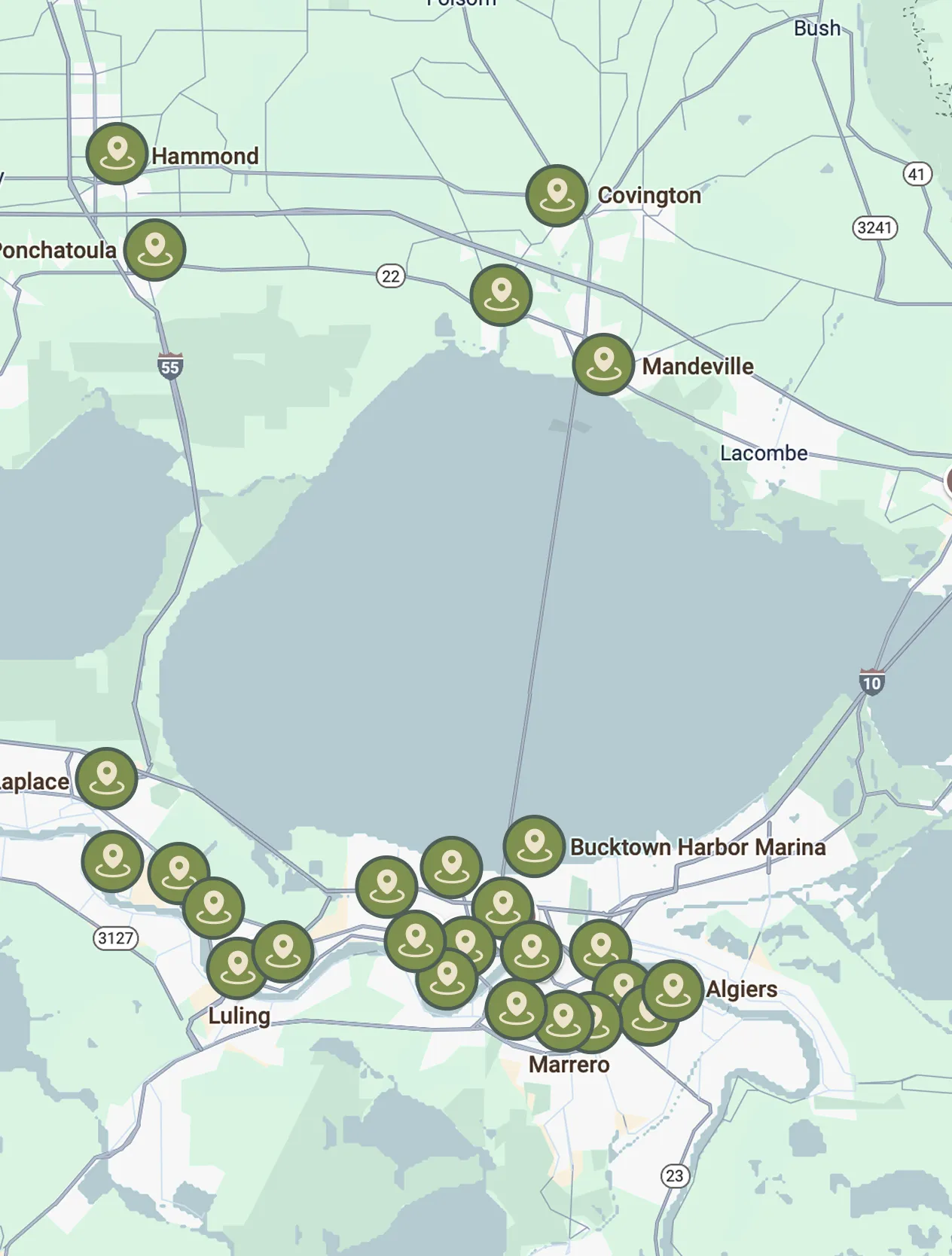
Our service areas are designed to meet the diverse needs of our clients. We focus on providing exceptional service and ensuring customer satisfaction in every location we operate.